AI Based Video Maker: Transform Your Creative Vision
The landscape of video production has undergone a dramatic transformation with the emergence of artificial intelligence technology. An ai based video maker represents a fundamental shift in how creators, musicians, and businesses approach video content development. These platforms leverage machine learning algorithms to automate traditionally time-consuming tasks, making professional-quality video production accessible to anyone with a creative vision. As we navigate 2026, understanding how these tools work and selecting the right platform has become essential for staying competitive in digital content creation.
Understanding AI Video Generation Technology
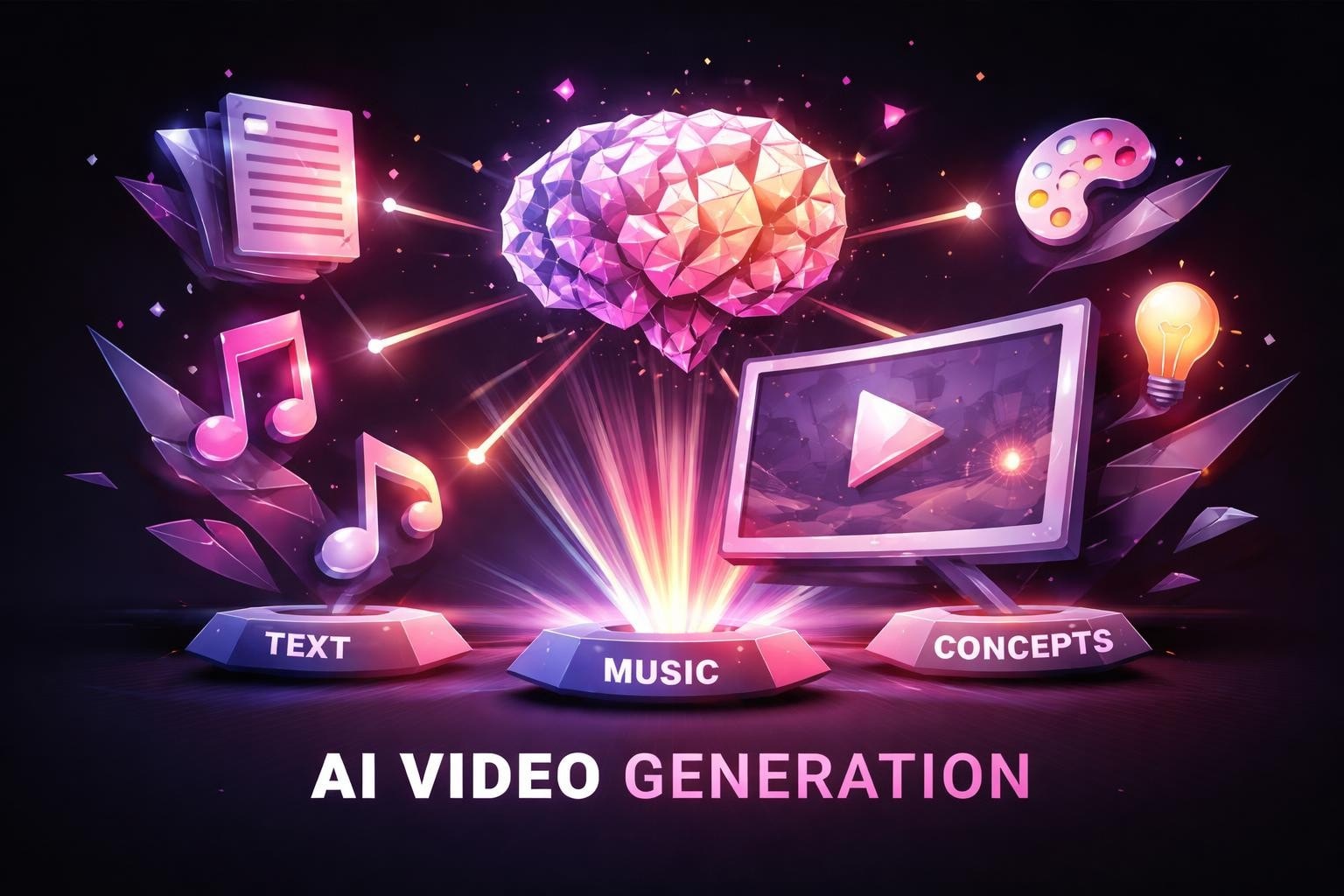
Artificial intelligence has fundamentally changed the video creation process by introducing automated workflows that replace manual editing tasks. An ai based video maker uses neural networks trained on millions of video samples to understand composition, timing, and visual storytelling principles. These systems analyze input data, whether text prompts, audio files, or existing footage, and generate corresponding visual content that aligns with professional production standards.
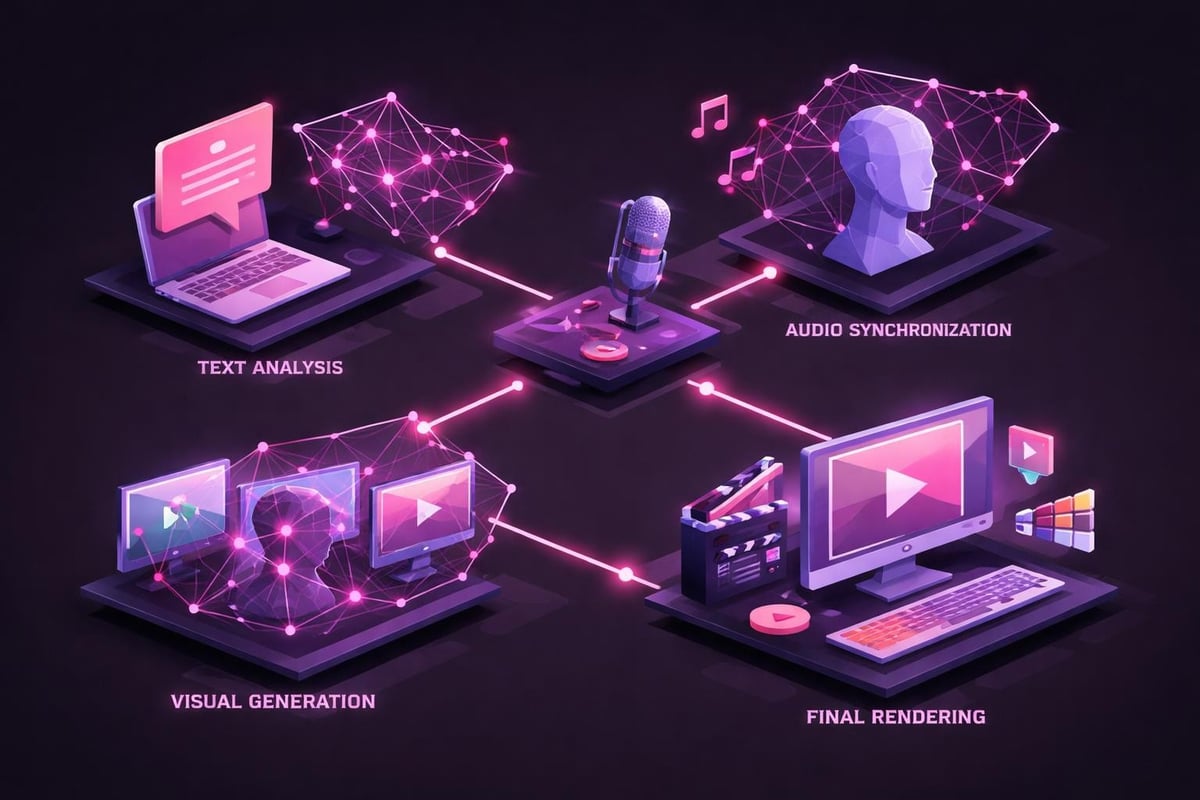
The technology behind these platforms combines multiple AI models working in concert. Natural language processing interprets text instructions, computer vision analyzes and generates visual elements, and audio processing synchronizes sound with movement. When you input a music track into a platform like 1 More Shot, the system analyzes tempo, rhythm, mood, and lyrical content to create visuals that complement the audio experience.
Machine Learning Architecture
Modern ai based video maker platforms utilize transformer models and diffusion networks to generate high-quality video frames. These architectures have evolved significantly since early text-to-video experiments, now producing content at 4K resolution with realistic motion and physics. Veo from Google DeepMind exemplifies this advancement, offering improved understanding of real-world physics and enhanced visual fidelity.
The training process requires massive datasets encompassing diverse video styles, genres, and production techniques. This exposure enables the AI to recognize patterns across different content types, from cinematic music videos to animated explainers. The result is a system capable of adapting its output to match specific creative requirements while maintaining consistent quality.
Key Features of Professional AI Video Platforms
Selecting the right ai based video maker requires understanding the core capabilities that distinguish professional tools from basic generators. Advanced platforms offer comprehensive feature sets designed to streamline every aspect of video production while maintaining creative control.
Automated Content Generation
Text-to-Video Conversion represents the foundation of most AI video tools. Users provide written descriptions or scripts, and the platform generates corresponding visual sequences. VEED.IO’s AI Video Maker demonstrates this capability by converting text into videos complete with clips, music, voiceovers, and captions.
Music-to-Video Synchronization takes audio files and creates visual content that matches the sonic characteristics. This feature proves particularly valuable for musicians and content creators working with audio-first content. The technology analyzes beats per minute, frequency ranges, and dynamic changes to generate synchronized visual elements.
Voice and Avatar Integration enables creators to add narration or on-screen presenters without filming. AI-generated voices provide natural-sounding speech in multiple languages, while digital avatars can deliver scripted content with realistic expressions and gestures.
Customization and Editing Capabilities
| Feature Category | Basic Tools | Professional Platforms |
|---|---|---|
| Style Templates | 10-20 options | 100+ customizable styles |
| Asset Library | Limited stock | Millions of clips/images |
| Brand Controls | Logo placement | Complete brand guidelines |
| Export Quality | 1080p max | 4K and beyond |
| Editing Flexibility | Pre-set options | Frame-level control |
Professional ai based video maker solutions provide extensive customization options that allow users to maintain brand consistency and creative vision. These platforms integrate vast asset libraries, offering millions of stock footage clips, images, and audio tracks that can be incorporated into generated content.
The Music Video Creation Workflow
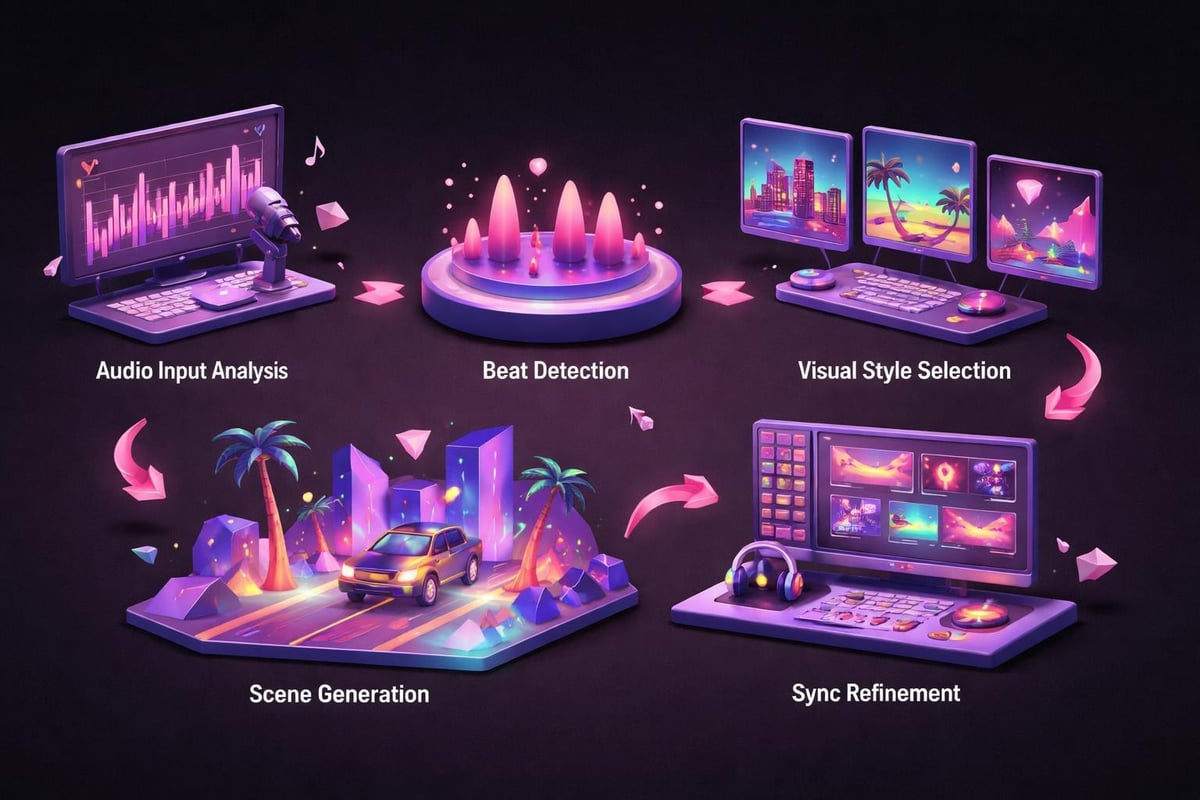
Music videos present unique challenges that specialized ai based video maker platforms address through tailored workflows. The process begins with audio analysis and extends through visual generation to final export, with each stage optimized for musical content.
Audio Analysis and Interpretation
The first step involves uploading your audio track, whether from streaming platforms or original recordings. The AI examines multiple audio characteristics simultaneously:
- Tempo and rhythm patterns to determine cut timing and movement speed
- Frequency distribution to match visual intensity with sound intensity
- Lyrical content (when available) to align visuals with narrative themes
- Genre classification to apply appropriate stylistic treatments
- Emotional tone to select color palettes and visual moods
This comprehensive analysis ensures that generated visuals feel organically connected to the music rather than arbitrarily assembled. For creators exploring AI video creation tools, understanding this analysis phase helps in selecting platforms with sophisticated audio processing capabilities.
Visual Generation and Synchronization
Once audio analysis completes, the ai based video maker begins generating visual content frame by frame. Advanced platforms offer multiple generation approaches:
Scene-based generation creates distinct visual sequences that change with musical sections. Verses might feature one visual theme while choruses introduce different imagery, creating dynamic storytelling that mirrors song structure.
Continuous evolution generates smoothly transitioning visuals that gradually transform throughout the track. This approach works exceptionally well for ambient or progressive music where abrupt changes would disrupt the listening experience.
Performance simulation creates virtual performances with digital artists, band members, or abstract representations of musicians. Features like lip sync capabilities ensure that virtual performers appear to genuinely sing or perform the music.
Comparing Leading AI Video Platforms
The ai based video maker market has expanded rapidly, with platforms targeting different user needs and expertise levels. Understanding these distinctions helps creators select tools aligned with their specific requirements.
General-Purpose Video Generators
Steve AI offers versatility across multiple video types, transforming text, voice, visuals, or ideas into ready-to-use videos. The platform supports various styles including animations and live-action footage, making it suitable for marketing, education, and general storytelling. This broad approach appeals to users who need flexibility across different project types.
Powtoon’s AI Video Generator focuses on corporate and educational content, automatically generating scripts and selecting visuals from extensive asset libraries. The platform adds voiceovers, music, and transitions automatically while maintaining full editability through an intuitive studio interface.
Specialized Music Video Solutions
Music-focused ai based video maker platforms prioritize audio-visual synchronization and artistic expression. These tools understand the unique requirements of musical content, offering features specifically designed for artists, labels, and music marketers.
Platforms dedicated to music video generation typically provide:
- Genre-aware styling that applies appropriate visual treatments based on musical style
- Beat-perfect synchronization ensuring every visual change aligns with musical elements
- Performance visualization creating virtual artists or abstract representations
- Social media optimization formatting content for platform-specific requirements
For musicians seeking free AI music video maker solutions, understanding the balance between cost and capability helps in making informed decisions.
Advanced Techniques for Professional Results
Maximizing output quality from an ai based video maker requires understanding advanced techniques that elevate content beyond basic automated generation. Professional creators employ several strategies to achieve broadcast-quality results.
Prompt Engineering for Better Outputs
The specificity and structure of your input instructions significantly impact generation quality. Effective prompt engineering involves:
Detailed style descriptions that reference specific visual aesthetics, cinematography techniques, or artistic movements. Instead of “colorful video,” specify “vibrant neon colors with 1980s synthwave aesthetic and VHS tracking artifacts.”
Temporal guidance that indicates when visual changes should occur relative to musical structure. Directing the AI to “change scenes on each chorus” or “intensify visuals during the bridge” provides valuable structural information.
Reference-based prompting that mentions similar videos, artists, or visual styles helps the AI understand your vision. Citing specific music videos or cinematic references gives the algorithm clear targets to emulate.
Multi-Stage Refinement Workflow
Professional creators rarely use AI-generated content without refinement. A typical workflow includes:
- Generate initial video using ai based video maker with detailed prompts
- Review output and identify sections requiring adjustment
- Regenerate specific segments with modified instructions
- Combine best takes from multiple generation runs
- Apply manual editing for fine-tuning transitions and effects
- Export in multiple formats optimized for different platforms
This iterative approach combines AI efficiency with human creative judgment, producing results that exceed what either could achieve independently. Tools offering instant export capabilities streamline this workflow by reducing waiting time between iterations.

Integration with Music Production Platforms
Modern ai based video maker solutions increasingly integrate with music creation and distribution platforms, creating seamless workflows from composition to promotion. These integrations eliminate manual file transfers and ensure format compatibility across the production pipeline.
Direct Music Platform Connections
Leading video generation platforms now offer direct connections to popular music services. Users working with platforms like Suno or Udio can generate videos directly from their compositions without downloading and re-uploading audio files. This integration maintains audio quality and simplifies the creative process.
API-based workflows enable automated video generation when new music uploads occur. Musicians can configure their accounts to automatically create promotional videos whenever they publish new tracks, ensuring consistent visual content across their discography.
Collaborative features allow multiple team members to work on video projects simultaneously, with changes syncing across devices. This capability proves valuable for bands, production teams, and marketing departments coordinating complex video campaigns.
Quality Optimization and Export Settings
Maximizing the technical quality of ai based video maker outputs requires attention to generation parameters and export settings. Understanding these technical aspects ensures your videos display correctly across all platforms and devices.
Resolution and Frame Rate Considerations
| Output Type | Recommended Resolution | Optimal Frame Rate | Bitrate Range |
|---|---|---|---|
| Social Media Stories | 1080x1920 (9:16) | 30 fps | 8-12 Mbps |
| YouTube/Vimeo | 3840x2160 (4K) | 24/30/60 fps | 35-45 Mbps |
| Instagram Feed | 1080x1080 (1:1) | 30 fps | 8-12 Mbps |
| Professional Broadcast | 3840x2160 or higher | 24/25/30 fps | 50-80 Mbps |
Modern ai based video maker platforms support multiple aspect ratios and formats simultaneously. Generating versions optimized for each platform ensures maximum visual quality regardless of where viewers encounter your content. Platforms offering multiple format support save significant time by automating this multi-format export process.
Color Grading and Enhancement
AI-generated videos benefit from post-processing enhancement that refines color accuracy and visual consistency. Professional platforms incorporate:
Automatic color correction that balances exposure and adjusts white balance across generated frames. This ensures visual consistency even when the AI combines footage from different sources or generates varied scenes.
Style transfer capabilities that apply specific color grading looks, from cinematic film emulation to contemporary music video aesthetics. These treatments add polish and professional finish to raw AI outputs.
Enhancement filters that sharpen details, reduce artifacts, and improve overall visual clarity. Some platforms offer AI enhancement features that intelligently upscale resolution and refine generated content.
Business Applications and ROI Considerations
Adopting an ai based video maker represents a significant business decision with measurable impacts on production costs, output volume, and content quality. Understanding the economic implications helps organizations justify investment and maximize returns.
Cost Reduction Analysis
Traditional video production involves substantial expenses across multiple categories:
- Professional videography services: $1,500-$5,000 per day
- Studio rental and equipment: $500-$2,000 per session
- Post-production editing: $75-$150 per hour
- Stock footage licensing: $50-$500 per clip
- Total typical music video: $5,000-$50,000+
An ai based video maker reduces these costs dramatically while maintaining professional quality standards. Monthly subscription costs typically range from $30 to $300, enabling unlimited video generation within that period. For businesses producing regular video content, this represents savings of 90-95% compared to traditional production methods.
Productivity and Volume Improvements
Beyond cost savings, AI video tools dramatically increase production capacity. Teams that previously produced 2-3 videos monthly can now generate 20-30 high-quality pieces, enabling:
Increased content velocity for social media algorithms that reward consistent posting schedules. Regular video uploads improve channel visibility and audience engagement across platforms.
A/B testing opportunities where multiple video variations test different creative approaches. AI generation makes it economically feasible to create numerous versions and identify top performers through analytics.
Rapid response capabilities for trending topics or time-sensitive promotions. Creating relevant videos within hours rather than weeks enables brands to capitalize on cultural moments and viral opportunities.
Emerging Trends and Future Developments
The ai based video maker landscape continues evolving rapidly, with several emerging trends shaping the technology’s trajectory through 2026 and beyond. Understanding these developments helps creators and businesses anticipate capabilities and plan long-term strategies.
Real-Time Generation and Live Applications
Next-generation platforms are experimenting with real-time video generation for live performances and events. Musicians could potentially generate responsive visuals during live shows, with AI creating imagery that reacts to performance variations and audience energy. This capability would transform live music experiences while creating unique content for each performance.
Interactive video experiences allow viewers to influence generated content through choices or inputs. Music videos might offer branching narratives or customizable visual elements, creating personalized viewing experiences that increase engagement and rewatch value.
Cross-Platform Intelligence
Advanced ai based video maker systems are developing cross-platform awareness, optimizing content not just for technical specifications but for algorithmic performance. These intelligent systems analyze engagement patterns across TikTok, Instagram, YouTube, and other platforms, adjusting composition, pacing, and visual elements to maximize performance on each network.
Sora’s recent Android availability demonstrates the trend toward mobile-first AI video creation, enabling content generation directly on smartphones. This accessibility further democratizes video production, removing barriers related to expensive computers or specialized software.
Enhanced Physics and Realism
Models like Kling AI continue advancing video generation capabilities with improved physics simulation and motion realism. As these technologies mature, the distinction between AI-generated and traditionally filmed content will continue diminishing, opening new creative possibilities for music video producers.
Implementation Strategies for Different User Types
Successfully adopting an ai based video maker requires strategies tailored to specific user needs and existing workflows. Different creators face unique challenges and opportunities when integrating these tools.
Independent Musicians and Emerging Artists
Solo artists and small bands benefit most from free or low-cost platforms that deliver professional results without technical complexity. Key implementation steps include:
- Start with best free ai video generator options to understand capabilities before committing to paid platforms
- Focus on single-track videos initially rather than attempting complex multi-video campaigns
- Leverage platform templates and presets while developing understanding of customization options
- Build a library of generated content for consistent social media presence
- Experiment with different visual styles to identify aesthetics that resonate with your audience
Content Marketing Teams
Marketing departments require scalable solutions that maintain brand consistency across high-volume production. Implementation priorities include:
Establishing brand guidelines within the ai based video maker platform, including color palettes, typography, logo placement, and approved visual styles. This ensures all generated content aligns with corporate identity.
Creating template libraries for common content types like product announcements, testimonials, or educational content. Standardized templates accelerate production while maintaining quality standards.
Workflow integration with existing marketing tools, connecting video generation to content calendars, social media schedulers, and analytics platforms. This creates efficient pipelines from concept to publication.
Professional Video Production Companies
Production companies can incorporate AI tools to enhance efficiency while maintaining premium service offerings:
- Use AI for rapid prototyping and client presentations before committing to full production
- Generate B-roll and supplementary content to complement primary footage
- Create multiple delivery versions quickly for different platforms and markets
- Reduce revision cycles by generating alternatives that address client feedback
- Allocate human creative talent to high-value tasks while automating routine production
Technical Requirements and Platform Selection
Choosing the right ai based video maker depends on matching platform capabilities with your specific technical requirements and creative objectives. Systematic evaluation ensures you select tools that deliver optimal results for your use case.
Evaluation Criteria Framework
Generation speed determines how quickly you can iterate and refine content. Platforms offering lightning-fast generation enable rapid experimentation and tight deadline management. Consider whether speed or quality takes priority for your specific applications.
Input flexibility defines what source materials the platform accepts. Does it work with text prompts only, or can it process audio files, images, and existing video footage? Music-focused creators need robust audio processing capabilities that analyze musical characteristics.
Output customization indicates how much control you maintain over generated content. Can you specify exact timing, transitions, and visual elements, or does the platform make most creative decisions automatically? Balance automation convenience against creative control requirements.
Integration ecosystem determines how well the platform connects with your existing tools. Does it offer APIs, direct platform connections, or export formats compatible with professional editing software? Seamless workflow integration significantly impacts overall efficiency.
Pricing Model Considerations
Different ai based video maker platforms employ various pricing structures:
- Subscription tiers with monthly or annual billing and usage limits
- Credit-based systems where you purchase generation credits consumed per video
- Freemium models offering basic features free with paid upgrades for advanced capabilities
- Enterprise licensing with custom pricing for high-volume business use
Evaluate total cost of ownership by projecting your monthly video production volume and calculating per-video costs under different pricing models. Tools like Biteable’s AI video maker offer transparent pricing that helps with budget planning.
Quality Assurance and Brand Safety
Maintaining consistent quality and ensuring brand-appropriate content requires establishing quality assurance processes when using an ai based video maker. While AI generates impressive results, human oversight remains essential for professional applications.
Content Review Protocols
Implement systematic review procedures before publishing AI-generated videos:
Technical quality checks verify resolution, frame rate, audio synchronization, and export settings meet platform requirements. Automated tools can validate technical specifications, but human review catches artifacts or generation errors the AI might introduce.
Brand alignment verification ensures generated content reflects brand values, messaging, and visual identity. This proves particularly important when using AI to create customer-facing marketing content where brand consistency directly impacts business results.
Rights and licensing confirmation validates that any incorporated stock footage, music, or other assets comply with licensing requirements. Reputable platforms use properly licensed materials, but confirming this protects against potential legal issues.
Audience Testing and Optimization
Before large-scale deployment, test AI-generated content with representative audience samples:
- Share videos with focus groups to gather qualitative feedback
- Run limited social media tests to measure engagement metrics
- Compare performance against traditionally produced content
- Identify successful elements to inform future generation parameters
- Iterate based on data rather than assumptions about audience preferences
This empirical approach ensures your ai based video maker outputs resonate with target audiences while meeting business objectives. For those interested in exploring video generation AI options comprehensively, systematic testing reveals which platforms and approaches deliver optimal results for specific content types.
AI-powered video generation has fundamentally transformed content creation, making professional-quality videos accessible to creators at every level. The technology continues advancing rapidly, with platforms offering increasingly sophisticated capabilities for music videos, marketing content, and creative expression. Whether you’re an independent artist looking to visualize your music or a business seeking to scale video production, understanding these tools and implementing them strategically delivers measurable competitive advantages. 1 More Shot provides musicians and creators with specialized AI technology designed specifically for music video generation, combining advanced audio analysis with stunning visual creation to bring your sonic vision to life effortlessly.