7 Essential AI for Music Videos Techniques in 2026
Artificial intelligence is reshaping the music video world, setting unprecedented standards for creativity, speed, and visual storytelling as we move into 2026. Artists, producers, and creators are witnessing a dramatic shift in how content is made and experienced.
This article dives deep into the seven most essential AI for music videos techniques that are redefining every step of the creative process. From automated editing tools to AI-driven choreography and cutting-edge visual effects, these innovations are empowering creators to push boundaries like never before.
Ready to discover how technology is unlocking new possibilities for music video creation? Let’s explore the future together.
The Rise of AI in Music Video Production
Artificial intelligence is rapidly reshaping the creative landscape of music video production. Since 2020, the evolution of AI for music videos has enabled artists and producers to achieve results once reserved for major studios. Early milestones include the integration of AI-driven editing tools and the first AI-generated visuals for viral hits. Adoption has accelerated, with both independent creators and major labels embracing AI for music videos. Popular platforms now offer seamless AI integration, making it easier than ever to experiment and innovate. The result is a more dynamic, accessible, and visually stunning music video ecosystem.
Evolution of AI in Creative Industries
AI for music videos has grown from experimental projects to mainstream adoption. Key milestones include the use of machine learning for video editing and the rise of AI-generated visuals in social media trends. By 2024, independent creators began leveraging AI to produce high-quality music videos on tight budgets. Major labels have also integrated AI into their production workflows, partnering with tech companies to push creative boundaries. The growing popularity of AI-generated music videos on platforms like TikTok demonstrates how AI for music videos is now a staple in modern content creation.
Benefits and Challenges of AI for Music Videos
The adoption of AI for music videos offers significant benefits. Automated editing and scene generation save time and reduce production costs. AI enables creators to explore new visual storytelling techniques and experiment with styles. For artists without technical backgrounds, AI tools make video production more accessible. However, challenges remain. Concerns about authenticity and originality persist, as do worries about creative control. According to MusicTech Insights 2025, over 65% of indie artists used AI tools for video creation, highlighting both the opportunities and the ongoing debates around AI for music videos.
Market Trends and User Demand in 2026
The demand for short-form, AI-enhanced music videos continues to surge. AI-powered apps and platforms are rapidly gaining traction, meeting the need for instant, high-quality content. The global AI music video software market is projected to reach $1.2 billion by 2027, according to AI Music Market Growth Projections. Major label campaigns now routinely leverage AI for increased engagement and creative experimentation. Today’s audiences expect quick, visually compelling videos, driving further innovation in AI for music videos and shaping the future of digital entertainment.
The Role of AI in Democratizing Video Creation
AI for music videos is breaking down traditional barriers in the industry. Independent musicians and creators now have access to tools that empower them to produce professional-grade content. Viral success stories often feature AI-generated videos that captivate global audiences. Community-driven innovation and feedback help these tools evolve rapidly, fostering diversity in visual styles and storytelling. As AI for music videos becomes more widespread, it fuels experimentation and ensures that creative opportunities are available to a broader range of voices, not just those with large budgets or technical teams.
7 Essential AI for Music Videos Techniques in 2026
The music video landscape in 2026 is defined by rapid innovation, with ai for music videos empowering creators to push boundaries like never before. From editing automation to personalized audience targeting, these seven essential techniques are shaping the creative future of music videos.
1. AI-Driven Video Editing and Scene Generation
AI for music videos has revolutionized editing, transforming workflows for artists and producers. Modern AI editing tools automate shot selection, scene transitions, and visual pacing, analyzing audio tracks to sync visuals perfectly with the beat.
Generative models now create unique visual themes, offering endless options for music videos. For example, platforms like RunwayML and Adobe Sensei allow users to upload footage, select a mood, and let AI craft a polished edit in minutes. This is especially useful for rapid releases on TikTok and YouTube, where speed is crucial.
The main benefits are faster turnaround, consistent quality, and enhanced creative flexibility. However, creative constraints and the need for human oversight remain. Data from Statista 2025 shows that 75% of indie artists used AI-assisted editing for music videos, reflecting the widespread adoption of ai for music videos.
| Platform | Key Feature | Use Case |
|---|---|---|
| RunwayML | Generative Editing | Quick TikTok clips |
| Adobe Sensei | Automated Scene Cuts | Professional edits |
Despite its power, creators must balance automation with personal vision to maintain originality.
2. Advanced AI Lip-Sync and Face Animation
Perfect lip-sync is vital for engaging music videos, and ai for music videos delivers stunning precision. Deep learning models analyze audio and video to animate lips and facial expressions in real time, ensuring flawless vocal-visual alignment.
These tools are popular for animated avatars, virtual performers, and even deepfake music videos. Platforms such as DeepMotion and Reface make it easy to animate faces, opening possibilities for artists to experiment with digital personas and cross-language performances.
Benefits include highly realistic performances, global language support, and seamless integration with virtual environments. However, the use of deepfakes raises ethical concerns about authenticity and consent, sparking industry debates.
On social media, AI-generated deepfake music videos have gone viral, showcasing the creative potential and controversy of ai for music videos. As technology advances, creators must navigate both the opportunities and responsibilities that come with these tools.
3. Automated Choreography and Motion Capture
AI for music videos is changing how choreography is created and executed. AI systems now generate dance routines and movement patterns that synchronize with the music, making choreography accessible to all creators, regardless of dance background.
Integration with motion capture technology enables hyper-realistic human movement, bringing virtual dancers and AR/VR music video experiences to life. Platforms like Move.AI and Kinetix allow users to generate, edit, and apply AI-driven choreography directly to digital avatars or live-action performers.
Benefits include cost-effective choreography, a limitless range of creative options, and the ability to quickly adapt dance moves for different songs or video formats. However, maintaining an organic feel and avoiding repetitive patterns remain challenges for ai for music videos.
Many viral TikTok dance videos now feature AI-choreographed routines, illustrating how these advances democratize performance and expand creative horizons for artists everywhere.
4. Generative Visual Effects and Style Transfer
With ai for music videos, creators can instantly apply advanced visual effects and artistic styles to their projects. Neural style transfer enables music videos to match the mood and genre of a track, transforming raw footage into visually compelling art.
AI can dynamically adjust color grading, lighting, and even morph entire scenes in real time, creating surreal or animated effects that captivate viewers. RunwayML and Prisma are leading platforms offering these capabilities.
The benefits are clear: a unique visual identity, scalable creativity, and the ability to stand out in a crowded digital landscape. However, overuse of these effects can lead to visual fatigue, making it important for creators to use ai for music videos thoughtfully.
Recent music videos featuring AI-generated visuals have attracted millions of views, proving that creative experimentation continues to drive engagement and innovation in the industry.
5. Real-Time AI Music Video Generation Platforms
Instant music video creation is now possible thanks to real-time ai for music videos platforms. These services allow creators to upload a track, select a visual style, and receive a finished video in just minutes, without any technical expertise required.
Such platforms are invaluable for independent artists and content creators who need rapid prototyping, multi-format exports, and a minimal learning curve. Over 50,000 creators are projected to use AI video generation apps in 2026, reflecting the growing demand for instant solutions.
Viral marketing campaigns often launch with AI-generated music videos, quickly adapting visuals for TikTok, YouTube, or Instagram. The accessibility of ai for music videos ensures that even those with limited resources can create professional-grade content.
For a comprehensive overview of top tools and platforms, see the Best AI music video tools 2024, which details leading solutions and their unique features.
6. AI-Enhanced Personalization and Audience Targeting
Personalization is at the heart of modern ai for music videos. AI algorithms analyze audience data, such as demographics and preferences, to tailor video content for maximum impact. This can mean creating dynamic video versions optimized for different platforms or even customizing visuals for individual viewers.
Tools like Synthesia and VidMob enable personalized video campaigns, resulting in higher engagement and shareability. For example, a song might have one visual narrative for TikTok and a different one for YouTube, both generated automatically.
Privacy and data security are important considerations, as creators must balance personalization with respect for user data. According to Music Marketing Trends 2026, personalized ai for music videos see 30% higher engagement rates, making this technique essential for artists aiming to connect with their audience.
Dynamic, AI-powered targeting ensures that music videos resonate with viewers, increasing both reach and relevance in a competitive digital world.
7. AI-Assisted Storyboarding and Concept Development
Pre-production has been transformed by ai for music videos, with AI tools now generating storyboards, shot lists, and detailed visual concepts. These systems analyze a song’s structure and mood, suggesting scenes and transitions that align perfectly with the music.
Platforms such as Boords and Storyboarder, along with custom AI solutions, help creators visualize entire narratives before filming begins. This accelerates the ideation process and inspires new creative directions.
Streamlined workflows mean artists spend less time planning and more time innovating. For instance, many musicians now use ai for music videos to generate visual outlines, ensuring every shot supports their artistic vision.
By leveraging AI in concept development, creators unlock new levels of inspiration and efficiency, laying the groundwork for groundbreaking music videos that capture audience attention from the very first frame.
How to Choose the Right AI Tools for Music Video Creation
Selecting the best ai for music videos is crucial for creators aiming to produce standout visuals in 2026. With a rapidly expanding ecosystem of tools, understanding what matters most helps you maximize results and stay ahead in a competitive market.
Key Factors to Consider in 2026
When evaluating ai for music videos, start by considering compatibility with your preferred music genres and distribution platforms. Some tools are optimized for electronic or hip-hop, while others support a broader range of styles.
Next, assess the user interface and learning curve. A streamlined, intuitive design lets you focus on creativity rather than technical hurdles. Pricing models are also important, as some platforms offer flexible subscriptions, pay-per-video, or freemium options.
Ensure the tool supports HD exports and all major social media formats, including vertical and square videos. Finally, look for seamless integration with your existing production workflow to avoid bottlenecks or extra steps.
Evaluating Features and Performance
Not all ai for music videos solutions are created equal. Prioritize platforms that offer advanced editing, realistic lip-sync, and a comprehensive suite of visual effects. Real-time preview and instant export can speed up your workflow and allow for quick iterations.
Customization options are vital—look for tools that let you adjust scenes, transitions, and effects to fit your creative vision. Compare feature sets using side-by-side tables or checklists to make an informed decision. For a step-by-step approach, consider following an AI music video creation guide for practical insights.
Case studies and user testimonials can help you gauge a platform’s reliability, especially for complex or time-sensitive projects.
Cost vs. Value: Making the Investment
Understanding the true value of ai for music videos means weighing up free versus premium solutions. Free tools can be great for experimentation but may include watermarks, limited exports, or fewer creative features.
Premium AI platforms often deliver professional-grade results, faster processing, and priority support. Evaluate subscription models, token-based systems, or pay-per-export pricing to match your budget and production frequency.
Independent artists and small labels often see substantial cost savings by using AI, compared to traditional video production. Analyze ROI by factoring in time saved, reduction in outsourcing, and increased content output.
User Reviews, Community, and Support
A robust user community can make a significant difference when adopting ai for music videos. Platforms with active forums, regular software updates, and responsive support teams foster innovation and problem-solving.
Access to tutorials and learning resources helps both beginners and professionals maximize tool capabilities. Success stories from peers can inspire new creative directions and validate your platform choice.
Finally, check user satisfaction statistics and look for platforms with high ratings for reliability and ease of use. Strong community backing often signals a tool’s long-term viability and continuous improvement.
1 More Shot: The Leading AI Music Video Generator Platform
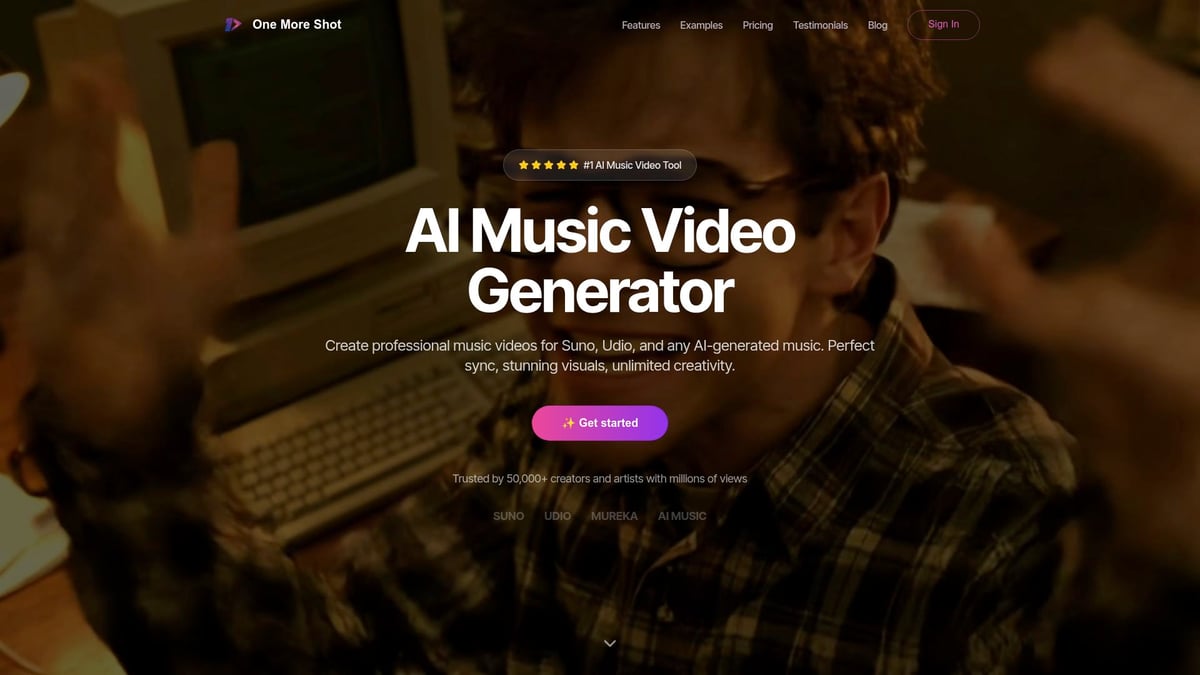
Revolutionizing the ai for music videos landscape, 1 More Shot has quickly become the go-to platform for creators seeking speed, quality, and creative flexibility. With over 50,000 global users, this innovative tool empowers musicians, producers, and marketing teams to produce professional-grade videos with minimal effort.
What Makes 1 More Shot Stand Out
1 More Shot leverages advanced ai for music videos to deliver lightning-fast video generation. Its AI ensures perfect beat and lip sync, so every visual element aligns seamlessly with the music. Creators retain frame-by-frame control, allowing detailed adjustments without sacrificing speed.
A smart asset library offers a diverse range of effects, backgrounds, and transitions. Users can export in HD instantly, with videos ready for platforms like TikTok, YouTube, and Instagram. Unlike many alternatives, 1 More Shot ensures videos are watermark-free, delivering a polished, professional finish every time.
| Feature | Benefit |
|---|---|
| AI Beat & Lip Sync | Flawless audio-visual alignment |
| Frame-by-Frame Control | Precision editing and creative freedom |
| Smart Asset Library | Access to diverse visuals and effects |
| Instant HD Export | Ready for any platform, no watermarks |
For those weighing the pros and cons of AI vs traditional music videos, 1 More Shot offers a clear edge in efficiency, flexibility, and cost-effectiveness.
Accessibility and Pricing
Designed for accessibility, 1 More Shot is available on web, iOS, and Android, supporting vertical, horizontal, and square formats. The intuitive interface makes it easy for both beginners and professionals to harness the power of ai for music videos.
A free basic plan lets users explore the platform risk-free, while premium plans start at $8.25 per month (billed yearly). Every new user receives a free trial, making it simple to experience the platform’s high-performance capabilities before committing.
Real-World Success and Community Impact
Independent artists, content creators, and marketing teams have launched viral campaigns using 1 More Shot’s ai for music videos features. Its pro-grade results and 24/7 AI processing mean creators can respond instantly to trends and audience demands.
The thriving creative community around 1 More Shot shares insights and inspiration, helping users push the boundaries of music video production. For actionable ways to boost your own video’s reach, check out these Viral AI music video tips.
What truly sets 1 More Shot apart is its blend of market-leading AI, rapid turnaround, and a user-friendly experience. For anyone serious about ai for music videos, it stands as the premier choice for innovation and results.
Future Outlook: Where AI for Music Videos Is Headed
The landscape of ai for music videos continues to evolve rapidly, bringing new possibilities for creators and audiences alike. As we look ahead, several trends and innovations are set to reshape the industry, challenging traditional boundaries and setting the stage for a creative revolution.
Emerging Technologies on the Horizon
Emerging technologies are redefining what is possible with ai for music videos. We are witnessing advances in 3D video generation, where AI can build entire virtual environments and characters from audio and visual cues. Virtual reality integration is enabling immersive experiences, letting viewers step inside music videos like never before.
Real-time interactive music videos, powered by generative adversarial networks (GANs), are allowing audiences to influence visual elements during playback. Early prototypes, such as the VidMusician: Video-to-Music Generation Research, showcase how AI can synchronize music and visuals for truly dynamic content. These innovations will drive the next wave of audience engagement and creative experimentation.
Ethical Considerations and Industry Standards
With the rise of ai for music videos, ethical considerations are coming to the forefront. Deepfake risks and authenticity concerns are prompting the industry to establish transparent guidelines for AI usage. Creators and labels are working together to ensure proper credit for both human and AI contributions.
Major labels are responding by adopting new standards for disclosure and artist rights. These steps are crucial for building trust with audiences and maintaining the integrity of creative works in an AI-driven era.
The Evolving Role of Human Creativity
As ai for music videos becomes more advanced, human creativity remains essential. Rather than replacing artists, AI acts as a powerful tool, augmenting creative direction and storytelling. The most compelling results come from hybrid workflows that combine the strengths of both human intuition and machine intelligence.
Recent data highlights that 80% of creators view AI as a way to enhance their vision. This collaborative approach leads to unique outcomes and keeps artistic expression at the heart of music video production.
Preparing for the Next Wave of Innovation
To thrive in the future of ai for music videos, creators should focus on adaptability and continuous learning. Developing skills in AI-powered tools, visual storytelling, and digital production will be vital for staying competitive.
Opportunities abound for early adopters willing to experiment with new formats and platforms. By embracing innovation and remaining agile, creators can lead the way in shaping the next chapter of music video artistry.
As you’ve seen throughout this guide, the landscape for music video creation is changing rapidly thanks to accessible, AI-powered solutions that put professional results within reach for everyone. Whether you’re an independent artist ready to experiment with new styles or a seasoned producer aiming for greater efficiency, now is the perfect moment to put these techniques into practice. With easy-to-use platforms and advanced features at your fingertips, there’s no reason to wait on your next creative breakthrough. Ready to see what’s possible for your own music videos in 2026? Start Creating Now