The Essential Guide to AI Make Music Video in 2025
Imagine being able to create a professional music video in just minutes, without the need for a film crew or editing software. Thanks to the rise of ai make music video technology, musicians and creators can now produce high-quality videos with unprecedented ease. In this guide, you will discover how AI is transforming every step of music video production in 2025, from concept to sharing. Explore the evolution of these tools, learn practical steps, compare top platforms, and get inspired by the latest trends. Ready to unlock your creative potential? Let’s dive in.
The Evolution of AI in Music Video Creation
Imagine the process of making a music video just a decade ago. Creating a professional result required a large budget, a skilled crew, and weeks of editing. Today, ai make music video technology has transformed this landscape, giving creators of all backgrounds access to tools once reserved for industry professionals.
From Manual Production to AI-Driven Workflows
Traditional music video production was resource-intensive, involving directors, camera operators, editors, and visual effects teams. The costs and time commitments often put high-quality video out of reach for independent musicians. Early forays into automation and machine learning offered some relief, with basic editing tools and preset transitions. However, these solutions lacked true creative flexibility.
Major milestones soon followed. The introduction of AI-generated effects allowed for automated scene changes and color grading. Deep learning models began to analyze video content, enabling smarter editing decisions. By 2024, generative AI had entered the scene, letting creators use text prompts and reference images to design entire video sequences.
This evolution led to a dramatic shift. Suddenly, ai make music video platforms enabled unsigned artists to compete with major labels. For example, one indie musician leveraged AI to create a viral video, reaching millions on social media with minimal resources. According to MusicTech, 60 percent of indie artists used AI video tools in 2024.
Early AI video tools faced challenges, including inconsistent quality and limited creative options. User experience was often clunky. By 2025, these issues have largely been solved. Modern platforms offer intuitive interfaces, higher output quality, and a broader palette of creative choices. For a deeper look at how this transition unfolded, see this step-by-step guide to creating AI music videos.
The Role of Generative AI and Neural Networks
Generative AI has become the backbone of modern ai make music video workflows. These advanced systems create visuals from scratch, using prompts, audio cues, and reference images. Neural networks analyze the music’s tempo, rhythm, and mood, ensuring that every visual element is synchronized with the track.
One striking advancement is the ability to automatically match visuals to the emotional tone and beat of a song. For instance, AI can generate abstract animations for electronic music or realistic scenes for acoustic tracks. Recent breakthroughs in AI-powered lip-sync and animation have further blurred the line between human and machine-created content.
The impact is clear. Between 2024 and 2025, there has been a surge in AI-generated music videos on platforms like YouTube and TikTok. Creators are producing unique, high-quality content at unprecedented speed. As ai make music video technology continues to evolve, more artists are empowered to experiment, innovate, and reach new audiences.
How AI Music Video Creation Works: Step-by-Step Guide
Creating a professional music video used to mean hiring a team, renting equipment, and spending weeks on editing. Today, the process is streamlined and accessible. With the right tools and guidance, anyone can use ai make music video technology to bring their musical vision to life. Let’s walk through each step, from preparing your assets to sharing your finished masterpiece.
Step 1: Preparing Your Audio and Visual Assets
The foundation of any ai make music video project is high-quality audio and thoughtfully chosen visuals. Begin by selecting your song file. Most AI platforms support formats like MP3, WAV, and FLAC. Prioritize clear, uncompressed audio for the best results.
Next, gather visual assets. These can include reference images, video clips, or mood boards that reflect your song’s theme. Many creators use royalty-free content or generate backgrounds with AI. Always verify copyright and licensing for any materials you plan to use. This ensures your ai make music video is safe to share and monetize.
Consider organizing your assets into folders for easy access. A clear structure speeds up the upload process and helps AI tools analyze your content more efficiently. If you do not have original visuals, many platforms offer built-in libraries or suggest AI-generated options based on your genre.
- Supported audio formats: MP3, WAV, FLAC
- Visual assets: reference photos, stock clips, AI backgrounds
- Copyright: use royalty-free or original content
Preparing these elements carefully sets the stage for a smooth ai make music video experience.
Step 2: Selecting an AI Music Video Platform
Choosing the right platform is crucial for your ai make music video journey. Begin by comparing available features. Look for tools that offer advanced effects, flexible export options, and user-friendly interfaces. Pricing models vary, from freemium plans to subscriptions or pay-per-video options.
Consider the platform’s export capabilities. Can you produce vertical, square, or horizontal videos? Are HD or 4K resolutions available? Evaluate whether the platform leaves watermarks on outputs, especially if you plan to use your ai make music video professionally.
User interface and workflow matter. A clean dashboard, drag-and-drop asset management, and real-time previews can make the process intuitive even for beginners. Security is also essential. Ensure the platform protects your uploaded files and respects your privacy.
Some leading platforms in 2025 include RunwayML, Kaiber, and 1 More Shot. Each has its strengths, so match your project needs to their specialties.
Step 3: Uploading and Syncing Your Track
Once you have chosen your platform, it is time to upload your assets. Most AI systems offer drag-and-drop upload, cloud imports, or even direct recording. Start by uploading your audio file, then add your chosen visuals.
The ai make music video engine will analyze your track’s tempo, rhythm, and mood. This analysis powers features like auto-syncing visuals to beats or transitions at key moments in your song. Some platforms allow you to mark specific points where you want visual changes or effects to occur.
For a deeper look at how advanced synchronization works, explore the Perfect Sync AI Feature, which demonstrates how AI ensures visuals match your music’s timing and emotion.
Example workflow:
- Upload song (MP3/WAV/FLAC)
- Import visuals or select from AI-generated options
- Set visual transition points or let AI automate them
This step ensures your ai make music video is rhythmically engaging and visually dynamic.
Step 4: Customizing Visuals and Effects
Customization is where your ai make music video truly comes to life. Start by selecting a visual style. Platforms often offer options like animation, live-action, surreal, or abstract effects. AI filters and transitions can add a unique flair, transforming ordinary footage into something extraordinary.
Adjust color grading, lighting, and motion for a polished look. Most platforms enable you to overlay lyrics, captions, or graphics. These additions not only enhance storytelling but also boost accessibility for viewers.
Preview your video in real time as you make adjustments. Many tools allow instant edits, so you can experiment and see results immediately. If you want to try different styles, save multiple drafts and compare outcomes before making a final choice.
- Visual styles: animation, live-action, abstract
- Effects: AI filters, transitions, overlays
- Editing: real-time preview, instant adjustments
Investing time in this stage makes your ai make music video stand out from the crowd.
Step 5: Exporting and Sharing Your AI Music Video
The final step in the ai make music video process is exporting and sharing your creation. Choose the right format for your intended platform—vertical for TikTok, square for Instagram, or horizontal for YouTube. Select the desired resolution, with most platforms supporting HD and some offering 4K.
Check for watermarks or branding. Many premium tools let you export videos without watermarks, which is essential for professional use. Always confirm that your visuals and audio comply with copyright standards before publishing.
Sharing is now easier than ever. Most platforms provide instant links for social media, direct downloads, or even integration with streaming services. According to recent data, 80 percent of AI music videos are shared within 24 hours of completion, showing the speed and excitement behind these tools.
By following these steps, you can efficiently use ai make music video technology to reach audiences across multiple platforms.
Leading AI Music Video Platforms and Tools in 2025
The landscape for ai make music video solutions in 2025 is vibrant and competitive. Artists and creators benefit from a growing array of platforms that bring professional-quality video production within reach, regardless of technical skill. Whether you want real-time previews, advanced effects, or seamless social sharing, today’s tools make it possible.
Platform Features and Differentiators
Choosing the right ai make music video platform means understanding what sets each apart. Here’s a comparison of the top platforms in 2025:
| Platform | Key Features | Pricing Model | Export Options | User Ratings |
|---|---|---|---|---|
| RunwayML | Real-time preview, generative effects, smart asset management | Subscription | Multi-format, HD, watermark-free | 4.7/5 |
| Kaiber | Advanced animation, AI lip-sync, customizable templates | Freemium | 4K, vertical/horizontal, watermark | 4.5/5 |
| 1 More Shot | Instant beat sync, advanced lip-sync, HD export | Pay-per-video, Free Trial | Multi-format, no watermark | 4.8/5 |
| Rotor Videos | Auto-visualizer, lyric integration, easy sharing | Subscription | Social-ready, square/vertical | 4.6/5 |
Most platforms now offer intuitive interfaces, allowing users to drag, drop, and customize with minimal effort. Security and privacy are prioritized with encrypted uploads and clear copyright controls.
For a deeper dive into the best options, check out this Best AI Music Video Tools 2024 guide for detailed reviews and user feedback.
1 More Shot: AI-Powered Music Video Generator
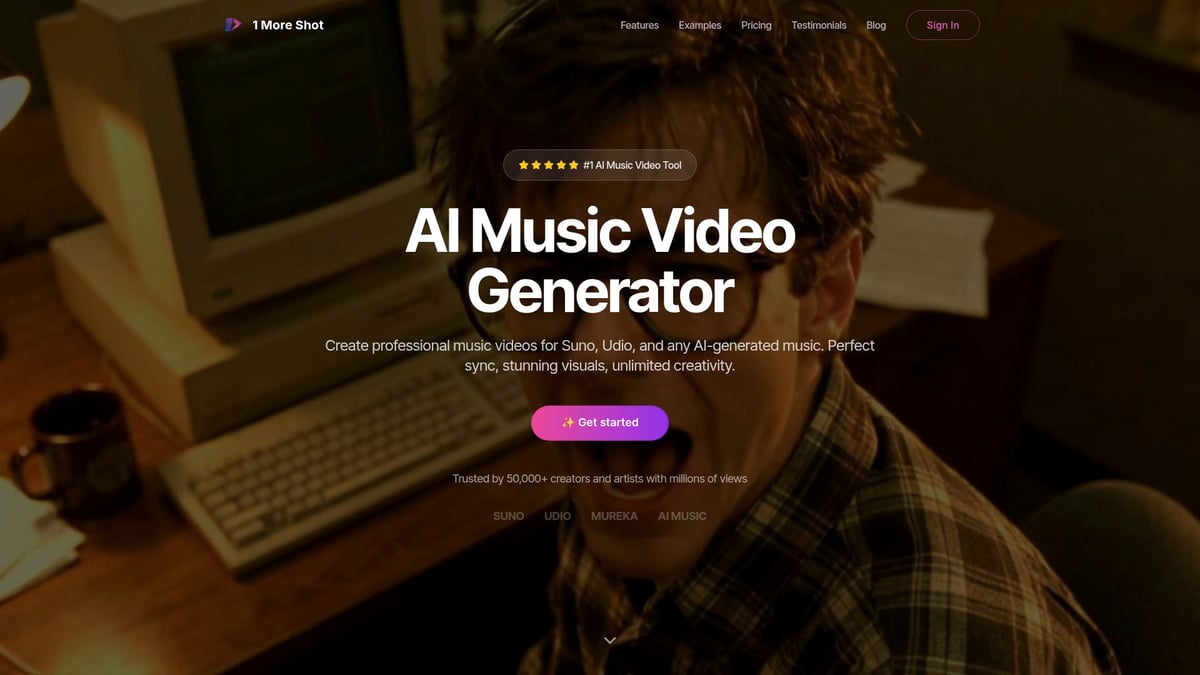
1 More Shot has emerged as a leader in the ai make music video space. Its web and mobile apps let users create high-quality videos on the go, making it a versatile choice for indie musicians and content creators.
Key features include:
- Instant beat synchronization for dynamic video pacing
- Advanced lip-sync technology for realistic vocals
- HD export and multi-format support for every platform
- Royalty-free assets and customizable templates
The platform’s pricing is flexible, with both pay-per-video and free trial options. Notably, 1 More Shot helped an emerging artist launch a viral campaign, reaching millions of views in just days. With accessibility and creative control, it empowers users to bring unique visions to life.
Platform Selection Tips
Selecting an ai make music video platform depends on your creative goals, technical skill, and project needs. Here are some factors to consider:
- Animation vs. live-action: Choose based on your song’s style and mood.
- Beginner-friendly tools: Look for guided workflows and tutorials if you’re new.
- Export requirements: Ensure support for your target platform, such as TikTok, YouTube, or Instagram.
- Community and support: Platforms with active user communities and responsive support can speed up your learning curve.
Professionals may prioritize advanced features, while beginners benefit from simplicity. Take time to test free trials and review user testimonials before committing.
Creative Trends and Use Cases for AI Music Videos
The creative landscape for ai make music video projects in 2025 is more vibrant than ever. Artists, brands, and fans are leveraging new AI capabilities to push the boundaries of visual storytelling in music. Let us explore the latest trends, innovative applications, and collaborative experiences shaping this exciting field.
Artistic Styles and Visual Effects
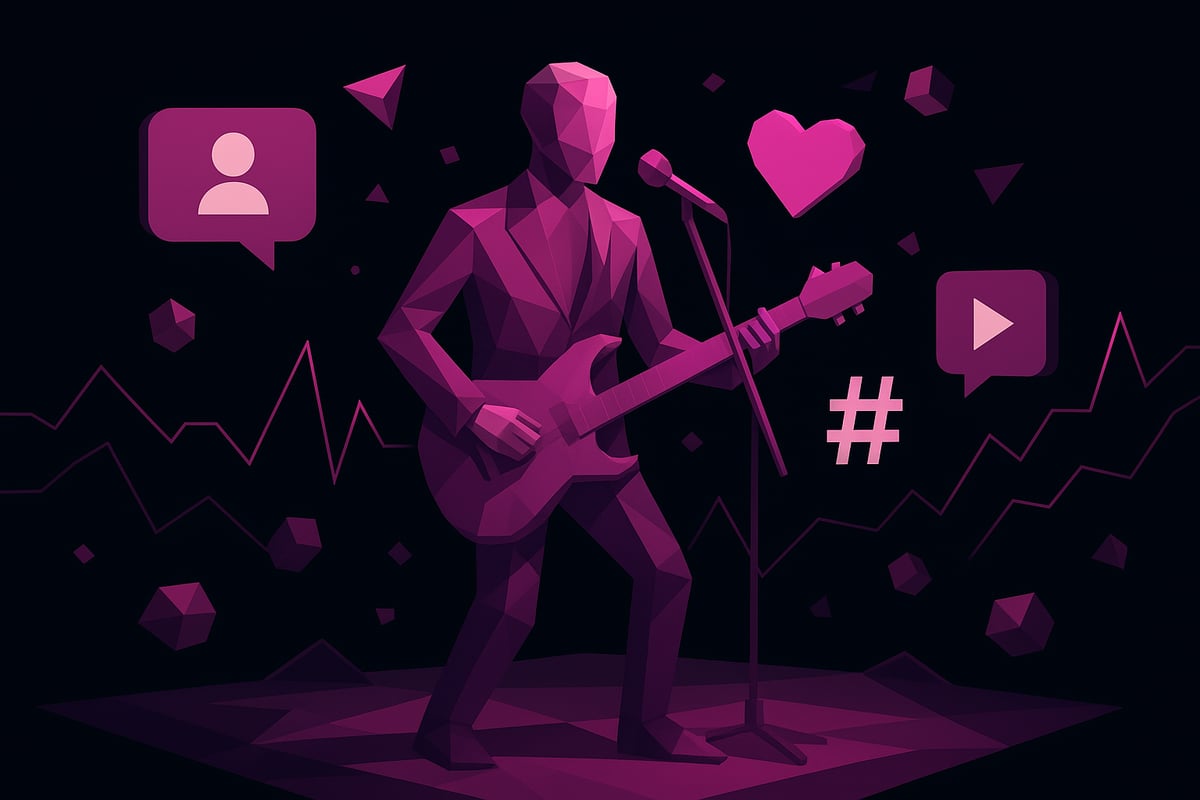
AI has redefined what is possible in music video aesthetics. In 2025, the ai make music video process often starts with generative visuals. These can range from stylized animations and dreamlike landscapes to hyper-realistic, AI-enhanced live-action. Surrealism, glitch art, and mixed reality are especially popular, offering artists fresh ways to visually interpret their music.
Generative AI tools now allow creators to sync visuals directly with song tempo and mood. This results in videos where every beat triggers a unique visual transformation. For instance, viral TikTok videos frequently feature rapid visual changes, bold color shifts, and animated elements that move in harmony with the music.
A notable trend is the use of AI to reflect lyrics and song themes, turning every ai make music video into a personalized visual experience. According to Billboard Insights, 70 percent of top-charting indie songs in 2025 are accompanied by AI-assisted videos. For a deeper look at how these trends are evolving, see AI Video Creation Trends 2025.
Expanding Use Cases Beyond Traditional Music Videos
The ai make music video boom is not limited to full-length music videos. Artists and marketers are tapping AI tools to quickly create social media teasers, looping promo clips, and immersive lyric videos. These quick-turnaround assets help musicians engage fans across every platform.
AI-generated visualizers are used for streaming platforms, maintaining consistent branding and style. Live performances now feature dynamic AI backdrops, adapting visuals in real time to the music played on stage. This technology brings a new layer of immersion to concerts, festivals, and virtual events.
Branded content is another area of rapid growth. Musicians collaborate with brands to produce ai make music video campaigns that blend music, visuals, and product messaging. These campaigns are designed for maximum shareability and can reach millions within hours, thanks to the instant export and sharing features of modern AI platforms.
| Use Case | AI Application Example |
|---|---|
| Social Media Teasers | 10-sec auto-edited TikTok clips |
| Streaming Visualizers | Animated loops for Spotify, Apple Music |
| Live Backdrops | Real-time generative stage visuals |
| Branded Content | Product-integrated music video promos |
Collaborative and Interactive Experiences
Collaboration is at the heart of the ai make music video revolution. Fans can now co-create content with their favorite artists using AI-powered templates and remix tools. This participatory approach drives engagement and fosters a sense of community.
Customizable templates are available for different genres, letting creators personalize visual styles while maintaining professional polish. AI also enables interactive experiences, such as videos that adapt based on user input or integrate augmented reality elements for viewers.
Integration with AR and VR platforms is expanding the reach of ai make music video experiences. Fans can step inside a 3D music video world or interact with AI-generated avatars during live streams. This convergence of technology and creativity is setting the stage for the next era of music storytelling.
As AI tools become more accessible, the possibilities for artists and audiences to connect, innovate, and inspire each other are virtually limitless.
Overcoming Challenges and Maximizing Quality with AI
Creating an ai make music video is now more accessible than ever, but the journey is not without its hurdles. Understanding common challenges and implementing best practices will ensure your final product stands out. Let us explore how to navigate obstacles and consistently produce high-quality, engaging videos using AI.
Addressing Common Pitfalls
One of the most frequent issues in ai make music video projects is the tendency toward generic or repetitive visuals. Early AI tools often produced similar effects across multiple videos, making it difficult for artists to achieve a unique look.
Another challenge involves maintaining tight synchronization between audio and visuals. Even slight mismatches can break the viewer’s immersion. Copyright and licensing concerns are also significant, especially when using third-party assets or samples.
Balancing automation with creative input is crucial. While AI accelerates production, relying solely on automated suggestions may limit originality. As adoption grows, more creators are learning to identify and overcome these pitfalls, ensuring their ai make music video projects reflect their artistic vision. According to AI Adoption in Music Production, independent artists are rapidly embracing AI tools, making awareness of these challenges essential.
Tips for High-Quality Output
To maximize the impact of your ai make music video, leverage customization features offered by modern platforms. Select distinctive styles, adjust color grading, and experiment with motion settings to avoid cookie-cutter results.
Always review AI-generated drafts before finalizing. Use HD or 4K export options for crisp visuals and optimize settings for each target platform. Incorporate platform-specific templates to enhance compatibility and shareability.
Gathering feedback from early viewers or collaborators can help refine your video further. This iterative process ensures your ai make music video not only meets technical standards but also resonates with your audience. Remember, the key to quality is a blend of automation and personal touch in every project.
Future-Proofing Your AI Music Video Workflow
The landscape for ai make music video creation is evolving fast. Staying updated with the latest software releases and AI model improvements will help you maintain a competitive edge. Integrate new features as they become available, such as real-time collaboration or AI-generated voiceovers, to expand your creative toolkit.
As the AI video generation market is projected to reach $3.5 billion by 2030, according to AI Video Generation Market Growth, adapting your workflow is essential. Monitor changes in platform requirements, export formats, and audience preferences to avoid falling behind.
Prepare for ongoing innovation by building flexibility into your process. With proactive learning and an openness to new tools, your ai make music video projects will remain fresh, relevant, and impactful as the industry advances.
The Future of AI in Music Video Production
The future of ai make music video is unfolding rapidly, bringing a new era of creativity, realism, and accessibility. As we look ahead, the landscape promises even more advanced tools, deeper integration with immersive tech, and unprecedented opportunities for artists and creators.
Predicted Advancements by 2026 and Beyond
By 2026, ai make music video technology is expected to leap forward in several key areas. AI will generate hyper-realistic visuals and interactive experiences, seamlessly integrating with virtual reality and metaverse platforms. The rise of AI-generated 3D avatars and synthetic performers will offer new creative paths for artists.
Automated multilingual lyric and subtitle generation will become standard, making global reach easier than ever. Industry research forecasts a dramatic 150% increase in AI music video adoption, reflecting how integral these tools are becoming to music marketing and fan engagement. For a deeper look at how AI is boosting industry revenue, see AI’s Impact on Music Industry Revenue.
| Projected Advancement | Description |
|---|---|
| Hyper-realistic visuals | Next-gen generative AI for lifelike content |
| VR/Metaverse integration | Immersive, interactive music video experiences |
| 3D avatars/synthetic artists | Fully AI-created performers |
| Automated subtitles/lyrics | Multilingual, real-time generation |
Expect ai make music video platforms to keep evolving, unlocking new storytelling methods for musicians.
The Evolving Role of Artists and Creators
As ai make music video platforms become more sophisticated, artists will focus on storytelling and branding, letting AI handle technical production. This shift will foster the emergence of “AI video directors” and innovative creative roles that blend technology with artistry.
Ethical considerations will come to the forefront, with discussions on authenticity, originality, and transparency shaping best practices. Community feedback and industry perspectives will guide responsible AI use, ensuring that human creativity remains at the core.
AI is also influencing how viral music hits are created and shared, as discussed in AI’s Role in Viral Music Hits. This influence is making ai make music video creation a central part of an artist’s toolkit.
Artists will have more time to connect with fans and innovate, using AI to amplify their unique voices.
Opportunities for Monetization and Distribution
With ai make music video tools, new avenues for monetization are emerging. Artists can sell videos directly to fans or leverage NFT integration for exclusive content. Licensing AI-generated visuals for advertising and sync deals offers additional revenue streams.
Some key opportunities include:
- Direct-to-fan video sales through digital platforms
- NFT-based releases for exclusive ownership
- Licensing for advertising, film, and sync placements
- Building a sustainable content pipeline with AI automation
This wave of innovation is enabling creators to distribute content widely and efficiently. As ai make music video adoption grows, musicians can expect even more ways to earn from their visual creations.
Now that you’ve seen how AI is transforming music video creation—making it easier, faster, and more accessible than ever—why not put these insights into action? Whether you’re an indie musician, a content creator, or just eager to experiment with new technology, you can start producing high quality, professional music videos without the traditional barriers. With platforms like 1 More Shot, you have the tools to turn your vision into reality in minutes. Ready to experience the future of music video production for yourself?
Start Creating Now