Ai Making Videos: The Creative Guide for 2026
Imagine producing eye-catching videos in just minutes, even if you have never touched a camera or editing software. In 2026, ai making videos has become the ultimate game-changer for creators, brands, and businesses seeking professional results with minimal effort. This guide will serve as your complete roadmap—covering the evolution of AI video technology, essential tools, creative workflows, industry applications, and emerging trends. Unlock new possibilities, simplify your creative process, and discover how to stay ahead in the fast-paced world of ai making videos.
The Evolution of AI Video Creation: 2020–2026
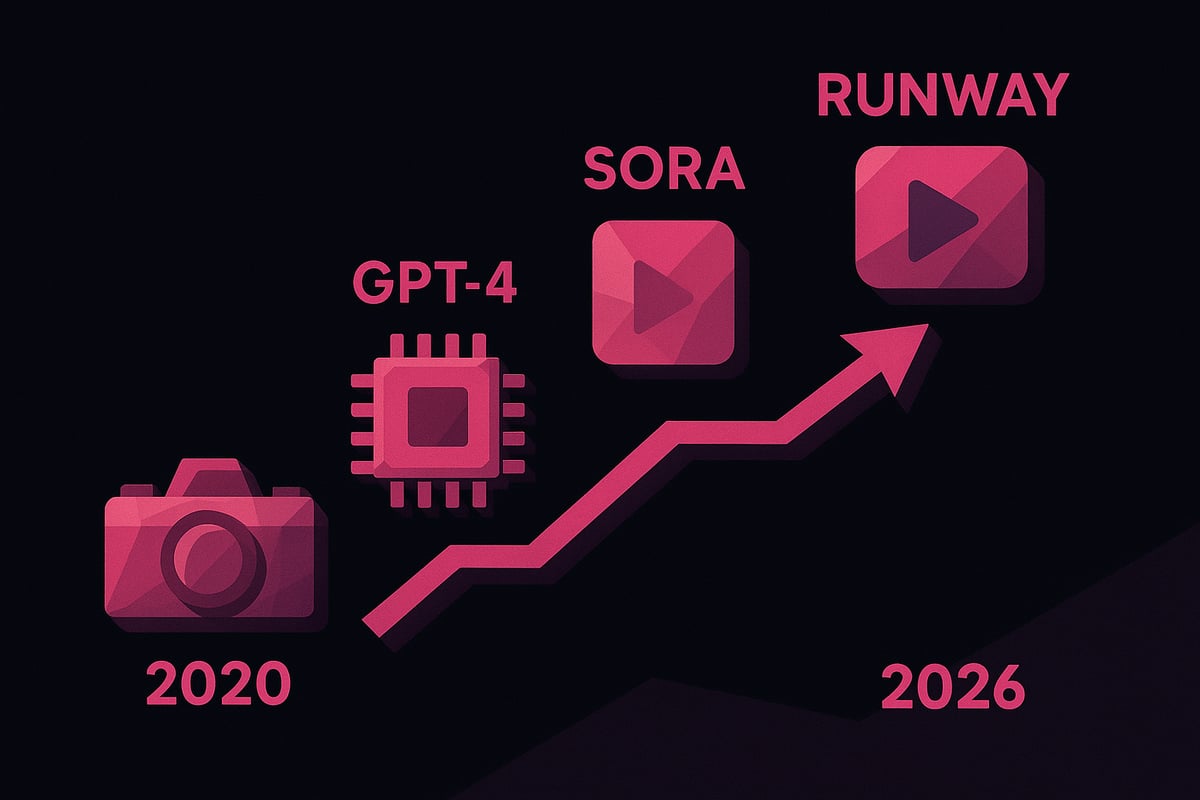
The journey of ai making videos has been nothing short of revolutionary between 2020 and 2026. In just a few years, the landscape shifted from rudimentary video automation to sophisticated, multimodal content generation accessible to creators everywhere.
Rapid Advances in AI Video Technology
From 2020 onward, ai making videos evolved rapidly as new models and platforms emerged. The introduction of GPT-4 set a new standard for natural language processing, while tools like OpenAI’s Sora, Runway, and Pika Labs pushed boundaries in video realism and automation.
Deep learning and generative models enabled video outputs that were more lifelike and coherent. Early text-to-video systems soon gave way to multimodal solutions, allowing creators to blend text, images, and audio for interactive storytelling. This shift democratized ai making videos, lowering technical barriers and opening the field to artists, marketers, and educators without prior video experience.
OpenAI’s Sora, for example, became a catalyst for industry change. Its intuitive interface and robust capabilities made professional-grade video production available with just a few prompts. For a deeper look at how these changes impacted creators, see Using AI to Make Videos.
Key Drivers of AI Video Adoption
Several trends fueled the adoption of ai making videos during this period. The explosion of short-form video on platforms like TikTok, Instagram Reels, and YouTube Shorts created insatiable demand for quick, scalable content.
Businesses and creators needed cost-effective ways to generate large volumes of video. AI’s integration with AR and VR unlocked new immersive experiences, while advanced personalization and localization tools allowed brands to reach diverse audiences efficiently.
Statista projects the AI video market will surpass $20 billion by 2026, highlighting just how central ai making videos has become. The push for real-time content, coupled with seamless creative suite integrations, further accelerated adoption across industries.
Challenges and Controversies
Despite the benefits, ai making videos brought new challenges. Ethical concerns surfaced around deepfakes, copyright infringement, and the spread of misinformation. Maintaining consistency and creative control proved difficult as automated systems sometimes struggled with narrative coherence.
Regulatory developments began to shape the future of AI-generated media. Governments and industry bodies responded with new guidelines to address transparency, copyright, and responsible use. As ai making videos continues to mature, balancing innovation with ethical standards remains a top priority for creators and platforms alike.
Essential AI Video Creation Tools & Platforms in 2026
AI making videos has revolutionized the creative landscape, offering a wide range of tools for every level of expertise. Whether you are a beginner or a seasoned professional, selecting the right platform can be the difference between a good video and a viral sensation.
Overview of Leading AI Video Tools
The landscape of AI making videos has expanded rapidly, featuring platforms like OpenAI Sora, Runway Gen-3, Pika Labs, Synthesia, and DeepBrain. Each tool brings unique strengths to the table, enabling creators to produce professional content with minimal effort.
Key features now standard in top platforms include:
- Text-to-video and image-to-video generation
- Voice synthesis and style transfer
- Real-time editing and instant previews
A quick comparison:
| Platform | Key Feature | Weakness | Integration |
|---|---|---|---|
| Sora | High realism, speed | Limited customization | Adobe, Canva |
| Runway Gen-3 | Live editing, effects | Steep learning curve | DaVinci Resolve |
| Pika Labs | Animation focus | Fewer export options | Canva |
| Synthesia | Voice, avatar support | Limited artistic style | PowerPoint |
| DeepBrain | Multilingual, low cost | Basic editing tools | Web, mobile suites |
For a more detailed exploration of these options, see AI Tools for Video Making.
The integration of these platforms with creative suites streamlines the process, allowing seamless asset transfer and editing. As ai making videos becomes more accessible, the gap between amateurs and professionals continues to shrink.
Specialized Tools for Niche Creators
AI making videos is not limited to generic templates. Specialized tools are emerging for niche creators in animation, music, and marketing.
- AI animation tools empower storytellers and educators to animate concepts with minimal manual input.
- Musicians and producers benefit from music video generators, which automatically sync visuals to audio tracks.
- Marketers can leverage automated ad video creation, enabling rapid A/B testing and campaign iteration.
Synthesia, for example, is now a staple in corporate training and HR, transforming static presentations into engaging, multilingual video modules. These advancements in ai making videos are fostering creativity across diverse industries, ensuring that every creator can find the right fit for their goals.
1 More Shot: AI-Powered Music Video Generation
1 More Shot stands out as a leading solution for musicians and producers seeking ai making videos of their tracks. This platform transforms AI-generated music from sources like Suno and Udio into polished, professional music videos in minutes.
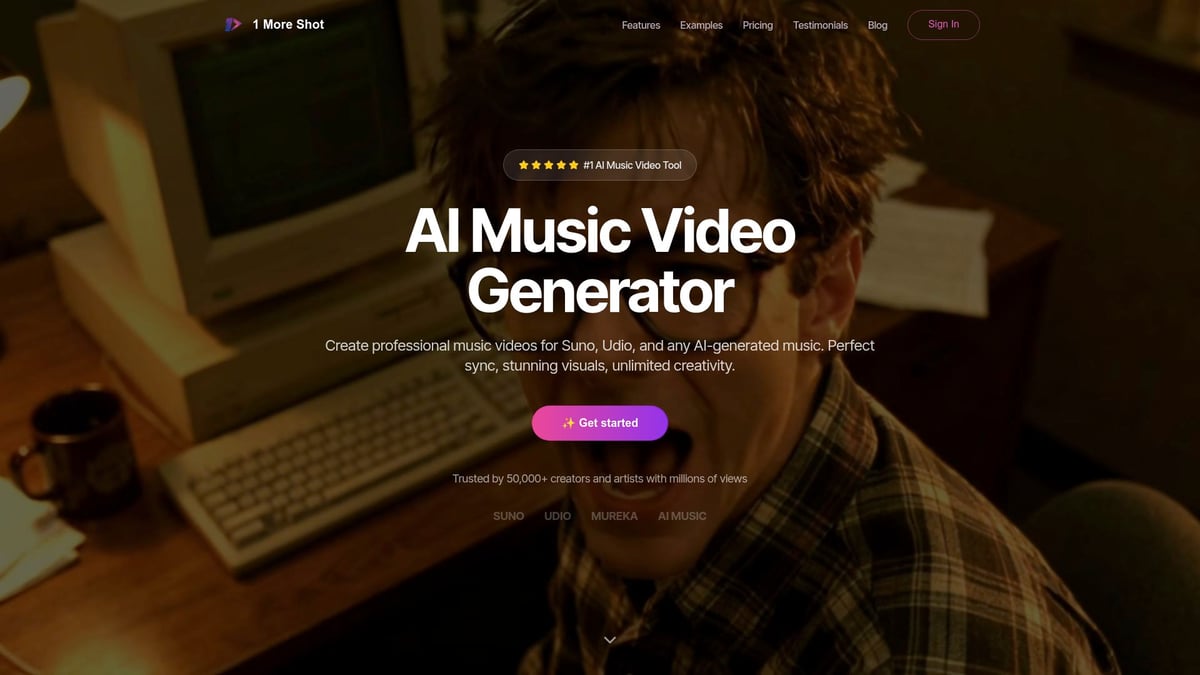
Key features include:
- Lightning-fast video generation
- Precise beat and lip-sync to music
- Multiple export formats for social platforms
Independent artists are using 1 More Shot to scale their reach on TikTok and YouTube, achieving results that once required a full production team. The accessibility and speed of ai making videos with 1 More Shot is leveling the playing field for creators at all levels.
Choosing the Right Tool for Your Needs
Selecting the optimal platform for ai making videos requires careful consideration of your budget, creative objectives, and technical skills.
When evaluating tools, consider:
- Export formats and platform compatibility
- Customization options and template variety
- Quality of customer support and community resources
Security, privacy, and copyright are also critical factors. Ensure your chosen solution respects your intellectual property and complies with relevant regulations. As ai making videos continues to evolve, staying informed and adaptable will help you maximize both efficiency and creative impact.
Step-by-Step Guide: Creating Videos with AI in 2026
Unlocking the full potential of ai making videos starts with a clear, repeatable workflow. Whether you are a marketer, educator, or independent creator, following a systematic approach ensures your content is both professional and engaging. The following guide breaks down the process into six essential steps, helping you leverage the latest AI advancements efficiently.

Step 1: Ideation & Scripting
The journey of ai making videos begins with a strong concept. Start by using AI prompt generators to brainstorm ideas, themes, and visual styles. Modern platforms transform simple text inputs into detailed storyboards, helping creators visualize sequences before production.
AI-assisted scriptwriting tools can draft dialogue, narration, and scene descriptions in seconds. These platforms analyze tone, pacing, and structure, ensuring your video narrative flows logically. Voiceover generation is now fully automated, offering natural-sounding speech in multiple languages and styles.
For example, GPT-based systems suggest alternative story arcs and refine scripts based on audience preferences. This step saves hours of manual work, making ai making videos accessible even to those with limited writing experience. For a detailed workflow, see the Step-by-Step AI Video Creation guide.
Step 2: Asset Preparation
Once your script is ready, gather or generate the assets needed. This may include images, audio clips, background music, and video snippets. AI tools can upscale low-resolution images, remove backgrounds, and even generate visuals from text prompts.
According to HubSpot (2025), 67% of creators use AI to automate asset preparation, speeding up the process and boosting consistency. Use AI-driven music generators to craft custom soundtracks that match your video’s mood. For ai making videos, asset quality directly impacts final output, so leverage AI’s ability to enhance and organize your materials.
A quick checklist for asset prep:
- Collect images, icons, and graphics
- Generate or select background music
- Record or synthesize voiceovers
- Organize assets into folders for easy upload
Step 3: Video Generation & Editing
Next, input your script, prompts, and assets into your chosen AI video platform. Leading tools offer real-time previews, allowing you to iterate quickly and see changes as you go. Some systems support both frame-by-frame editing and fully automated workflows, giving you flexibility based on your creative needs.
Runway Gen-3, for instance, allows live editing, letting users adjust scenes, transitions, and effects instantly. This step is where ai making videos truly shines, blending automation with creative control. Experiment with different video modes to find the right balance between speed and customization.
Essential editing features to look for:
- Real-time previews
- Automated scene transitions
- AI-powered visual effects
- Customizable templates
Step 4: Customization & Branding
After generating your base video, it is time to infuse your brand identity. AI-powered templates enable quick addition of logos, color schemes, and overlays. You can personalize content for various audiences by adjusting language, tone, and subtitles using localization tools.
For ai making videos intended for marketing or education, consider A/B testing different versions to optimize engagement. AI can automatically generate multiple variants, analyze performance, and suggest improvements. This ensures your video resonates with target viewers on every platform.
Branding checklist:
- Add logo and brand colors
- Insert call-to-action overlays
- Customize subtitles and captions
- Generate A/B test variants
Step 5: Exporting & Publishing
Selecting the right export format is crucial for maximizing reach. AI video tools offer multiple aspect ratios, including vertical for TikTok, square for Instagram, and horizontal for YouTube. Many platforms integrate directly with social media, allowing you to publish content instantly.
Here is a quick comparison table for export formats:
| Platform | Format | Aspect Ratio |
|---|---|---|
| TikTok | MP4 | 9:16 (vertical) |
| MP4 | 1:1 (square) | |
| YouTube | MP4 | 16:9 (horizontal) |
Ensure your video complies with platform guidelines, including copyright and community standards. For ai making videos, automated compliance checks can help avoid takedowns and protect your content rights.
Step 6: Performance Tracking & Iteration
The final step in ai making videos is learning from your results. AI analytics tools measure engagement, retention, and conversion rates, providing actionable insights for improvement. Automated systems can generate multiple video variants, test them across channels, and identify which versions perform best.
Use this data-driven feedback loop to refine scripts, visuals, and calls to action. Over time, ai making videos becomes more effective as you adapt your approach based on real audience behavior.
Key metrics to monitor:
- View duration
- Click-through rates
- Social shares
- Conversion rates
Continuous iteration is essential for staying ahead in AI-powered video creation. Embrace the evolving landscape and let AI guide your creative strategy.
Creative Applications: AI Video in Action Across Industries
The rise of ai making videos is reshaping how industries create and share visual content. These tools are not only streamlining production but also unlocking new creative opportunities. Let us see how different sectors are leveraging this technology for transformative results.
Marketing & Advertising
In marketing, ai making videos is driving a revolution in campaign creation and personalization. Brands can now generate targeted ads for different audiences within minutes. AI enables rapid content adaptation for platforms like TikTok, Instagram, and YouTube.
Key benefits include:
- Automated editing for quick campaign turnarounds
- Hyper-personalized video ads for diverse customer segments
- Scalable production for A/B testing and optimization
According to AI’s Impact on Video Marketing, adoption of AI in video marketing is surging, with businesses reporting higher ROI and engagement rates. Retailers, for example, have boosted sales using AI-generated video ads tailored to trending topics.
Education & Training
Educational institutions and training providers are embracing ai making videos to enhance learning experiences. AI-powered tools can create explainer videos, interactive modules, and localized lessons for global audiences.
Use cases include:
- Automated generation of step-by-step tutorials
- Translating and dubbing content for international learners
- Customizing visuals to match curriculum needs
Universities now use AI to deliver remote courses, producing engaging content faster and at lower cost. Teachers can personalize video lessons for individual students, improving retention and accessibility.
Entertainment & Media
The entertainment sector is experiencing a creative boom thanks to ai making videos. Musicians, filmmakers, and creators are generating music videos, trailers, and short films without large production teams.
Highlights:
- AI animation for indie filmmakers
- Music video generation synced to AI-produced tracks
- Fast prototyping for new show concepts
Viral TikTok music videos often originate from AI video generators, helping artists reach millions. AI-powered animation is also democratizing storytelling for creators who lack traditional resources.
Social Media & Influencer Content
Social media thrives on fast, trend-driven content. Ai making videos empowers influencers and creators to post daily, respond to trends, and experiment with new formats.
Typical applications:
- Automated meme and reaction video creation
- Personalized content for different audience segments
- AI-driven video editing for consistency across platforms
Data shows that 80% of top creators now rely on AI video tools to maintain their presence and engage followers. The ability to quickly generate polished content is critical for staying relevant in the fast-paced social landscape.
Business Communications
For internal and external communications, ai making videos is streamlining how companies share information. Corporate updates, HR training, and onboarding processes now use AI-generated videos for clarity and efficiency.
Common features:
- Automated video summaries of reports and meetings
- Multilingual support for global teams
- Consistent branding through AI templates
Organizations benefit from faster production times and more engaging materials. AI ensures that content remains accurate and on-brand, reducing manual effort and improving employee engagement.
Creative Workflows & Best Practices for AI Video Production
The landscape of ai making videos in 2026 demands more than just powerful tools. To truly excel, creators must master streamlined workflows, maintain authenticity, and stay ahead of evolving legal and engagement standards. This section uncovers the essential practices for producing standout AI-driven video content.
Building a Collaborative AI Workflow
Successful ai making videos today relies on collaboration between human creativity and advanced AI platforms. Teams often integrate AI video generators with traditional editing software, enabling seamless handoffs and creative iterations.
Consider a workflow using cloud-based platforms, where multiple contributors can work together in real time. Features like automated asset management, version control, and AI-powered feedback loops foster efficiency. For example, frameworks like UniVA: Next-Generation Video Generalist Framework enable unified video understanding, segmentation, and editing, setting new standards for collaboration.
Best practices include:
- Leveraging shared libraries for reusable assets
- Assigning roles for scriptwriting, editing, and review
- Using AI to automate repetitive tasks while reserving creative decisions for humans
With the right approach, teams can harness ai making videos to scale production without sacrificing originality.
Ensuring Quality & Authenticity
Maintaining quality and authenticity is crucial in ai making videos. While AI excels at generating visuals and automating edits, human oversight ensures that the final product resonates emotionally and tells a coherent story.
Techniques to uphold quality include:
- Reviewing AI-generated scripts and visuals for narrative consistency
- Customizing stock elements to match the intended tone
- Using manual editing to fine-tune pacing, transitions, and audio sync
Creators should also avoid overreliance on generic AI outputs by injecting unique branding and voice. Regular quality checks and audience feedback loops help identify areas for improvement, ensuring that ai making videos remain impactful and distinctive.
Legal, Ethical, and Copyright Considerations
As ai making videos becomes more prevalent, understanding legal and ethical guidelines is non-negotiable. Creators must ensure that all assets—visuals, music, scripts—are properly licensed or original. Copyright laws for AI-generated content are evolving, so staying informed is essential.
Ethical best practices include:
- Disclosing AI usage in commercial or sponsored videos
- Respecting privacy and avoiding unauthorized likenesses
- Monitoring outputs to prevent deepfakes or misleading content
Creators should keep up with regulations such as the EU AI Act and US copyright law to avoid legal pitfalls. By prioritizing transparency and responsibility, ai making videos can build trust with audiences and partners.
Maximizing Engagement & Reach
Maximizing the impact of ai making videos requires strategic optimization for each platform and audience. AI tools can analyze engagement metrics, suggest improvements, and generate multiple content variants for testing.
Effective tactics involve:
- Customizing thumbnails, captions, and hashtags using AI recommendations
- Personalizing videos for different viewer segments or languages
- Running A/B tests to refine content for higher retention
According to Seagate’s 2026 Creativity Renaissance Prediction, the surge in AI-powered content will reshape digital engagement. Adapting workflows to leverage these insights ensures creators stay competitive as ai making videos becomes the norm across industries.
The Future of AI Video Creation: Trends & Predictions for 2026 and Beyond
The future of ai making videos is rapidly evolving, promising creative breakthroughs and new ways to engage audiences. As we look ahead, next-generation AI video tools are reshaping how stories are told and shared. Let’s explore the key trends and predictions that will define this landscape.
Next-Gen AI Video Capabilities
In 2026, ai making videos will reach new heights with real-time, interactive generation and live streaming. Multimodal AI will seamlessly blend text, audio, video, and even 3D assets, allowing creators to produce immersive content with minimal effort. Tools like Google Vids Enhances AI Video Editing are already pushing boundaries, enabling users to transform images into videos with powerful AI-driven features. AI avatars and digital humans will become central to storytelling, offering lifelike presence and emotional depth.
The Rise of User-Generated AI Video Content
The democratization of ai making videos will fuel a surge in user-generated content. Community-driven challenges, remix culture, and collaborative projects will empower anyone to contribute original creations. Decentralized platforms and blockchain technology will play a vital role in verifying authenticity, ensuring that content remains trustworthy. As AI tools become more accessible, expect a vibrant ecosystem where creativity flourishes and barriers to entry are nearly eliminated.
Societal and Creative Impacts
The widespread adoption of ai making videos will reshape creative industries and redefine the role of human creators. New professions and collaborative opportunities will emerge, blending AI expertise with human vision. However, ethical debates around deepfakes, misinformation, and digital identity will intensify, prompting ongoing discussion and regulation. Society will need to balance innovation with responsibility, ensuring that AI-generated content serves the greater good.
Preparing for the Next Wave
To thrive in the era of ai making videos, creators must develop adaptable skills and a growth mindset. Key strategies include staying informed on technological advances, experimenting with new tools, and building a personal brand that highlights authenticity. Resources for ongoing learning, such as industry webinars and creative forums, will be essential. By 2030, Gartner predicts that 90% of online video content will involve AI, making adaptability and lifelong learning crucial for success.
You’ve just seen how AI is reshaping the way we create videos, from brainstorming ideas to sharing polished music videos with the world. Whether you’re an artist eager to stand out on TikTok or a creator ready to level up your content, the tools are more accessible than ever. With platforms like 1 More Shot, you can turn your music into professional grade videos in minutes—no studio or tech skills required. If you’re ready to put these insights into action and explore the creative possibilities for yourself, Start Creating Now.