Guide to Music to AI Video: Transform Your Sound in 2026
The rise of AI video is reshaping how musicians and creators bring their sound to life in 2026. Every day, more artists are discovering creative ways to merge audio and visuals through powerful new tools.
This guide dives deep into music to ai video transformation, empowering you to unlock fresh creative and promotional opportunities. Whether you are an independent musician or a seasoned producer, the digital landscape offers unprecedented ways to elevate your art.
Inside, you will find a clear roadmap covering AI video technology, its benefits for musicians, the best tools, a step-by-step creation process, expert tips, and future trends. Ready to see how AI can transform your music journey? Let us get started.
The Evolution of Music to AI Video in 2026
Adapting to the digital era, the music industry has seen a dramatic transformation in how artists visualize their sound. The journey from traditional music video shoots to AI-generated visuals has revolutionized both creativity and accessibility, opening up new possibilities for musicians everywhere.
The Shift from Traditional to AI-Driven Music Videos
Producing a music video once meant budgeting for expensive shoots, lengthy edits, and creative compromises. Traditional workflows required substantial resources, limiting high-quality video production to established artists. The rise of AI-powered video generators has changed the landscape, making the music to ai video process accessible to all.
Key drivers behind this shift include:
- Social media’s hunger for fresh, short-form content.
- The need for rapid, visually engaging promotion.
- The democratization of tools for independent creators.
For instance, over 23,000 artists now use Neural Frames to create stunning AI visuals. Satisfaction rates among creators using leading platforms are reported at 98%. These advancements allow anyone to produce high-quality content quickly, fostering viral moments and expanding audience reach. For an in-depth comparison, see this AI vs traditional music videos analysis.
| Production Aspect | Traditional Video | AI Video Generation |
|---|---|---|
| Cost | High | Low to moderate |
| Time | Weeks to months | Minutes to hours |
| Accessibility | Limited | Open to all |
Core Technologies Powering AI Music Video Generation
Modern music to ai video solutions are built on sophisticated AI models that analyze audio for mood, tempo, and lyrical content. Neural networks and generative adversarial networks (GANs) synthesize unique visuals, pushing creative boundaries.
Key technologies include:
- Audio analysis models for extracting emotion and rhythm.
- Visual synthesis engines capable of producing anything from abstract art to hyper-realistic animation.
- Audio-reactive animation that syncs visuals precisely with beats and tone.
- Frame-by-frame control, offering advanced customization.
- Real-time rendering, enabling instant previews and fast iteration.
Integration with music AI tools such as Suno and Udio streamlines the workflow. Sora AI, for example, delivers impressive lip-sync accuracy, making video outputs feel natural and immersive. Continual updates ensure these platforms stay at the forefront of creative technology, supporting ever-evolving music to ai video needs.
Benefits and Opportunities for Musicians & Creators
Switching from traditional production to music to ai video workflows brings tangible benefits. Artists can produce professional visuals in minutes, dramatically reducing costs. Creative flexibility is nearly limitless, with styles ranging from psychedelic to cinematic.
Key opportunities include:
- Enhanced storytelling, matching visuals to a song’s mood and narrative.
- Increased engagement on platforms like TikTok, YouTube, Instagram, and Spotify Canvas.
- Cost-effective production, freeing up budgets for other creative ventures.
- Rapid turnaround, ideal for promotional campaigns or tour visuals.
Testimonials highlight improved fan retention and deeper emotional connections. Bands are now leveraging AI video tools to craft lyric videos and dynamic tour backdrops, transforming how they connect with audiences. The music to ai video revolution empowers creators to amplify their sound visually and reach fans in new, unforgettable ways.
Step-by-Step Guide: Transforming Your Music into AI Video
The journey from music to AI video is now more accessible than ever. With advanced AI video generators, musicians can create stunning visuals that amplify their sound and story. This step-by-step guide will walk you through the process, ensuring you leverage the full creative potential of music to ai video platforms.
Step 1: Preparing Your Audio Track
Start with selecting the song that best represents your creative vision. For optimal results, use high-quality audio files such as WAV or high-bitrate MP3s. Clear audio ensures the AI accurately analyzes every detail of your track, which is essential for a seamless music to ai video experience.
Focus on songs with distinct sections, memorable hooks, and strong lyrical or instrumental moments. If you are working with AI-generated music from tools like Suno or Udio, ensure your files are properly exported and organized.
Tips for preparation:
- Separate vocals and instruments for richer visual effects
- Edit out background noise or artifacts
- Structure your song for clear transitions
A well-prepared track lays the foundation for a compelling music to ai video, giving you more control over the final output.
Step 2: Choosing the Right AI Video Generator
Selecting the best AI video generator is a pivotal step in the music to ai video process. Look for platforms that offer audio-reactive visuals, frame control, and export options tailored to your promotion goals.
Key features to compare:
| Feature | Music AI | Neural Frames | 1 More Shot |
|---|---|---|---|
| Audio-Reactive Visuals | Yes | Yes | Yes |
| Frame Control | Basic | Advanced | Moderate |
| Export Formats | MP4, MOV, GIF | MP4, 4K | Vertical, Square, HD |
| Lip-Sync Capability | Partial | No | Advanced |
| Free Trial | Limited | Yes | Yes |
Check user reviews and consider pricing models. Some platforms offer free trials, while others use subscription or token systems. Compatibility with web, iOS, Android, or DAWs is also important.
For an in-depth walkthrough, see this Create AI music videos guide, which details platform features and workflow tips for converting music to ai video.
1 More Shot: AI-Powered Music Video Generation
1 More Shot stands out as a leading music to ai video generator. The platform instantly transforms your audio, including AI-generated tracks, into professional, synchronized music videos. With advanced lip-sync, real-time preview, and multiple export formats (vertical, horizontal, square), your visuals are ready for any channel.
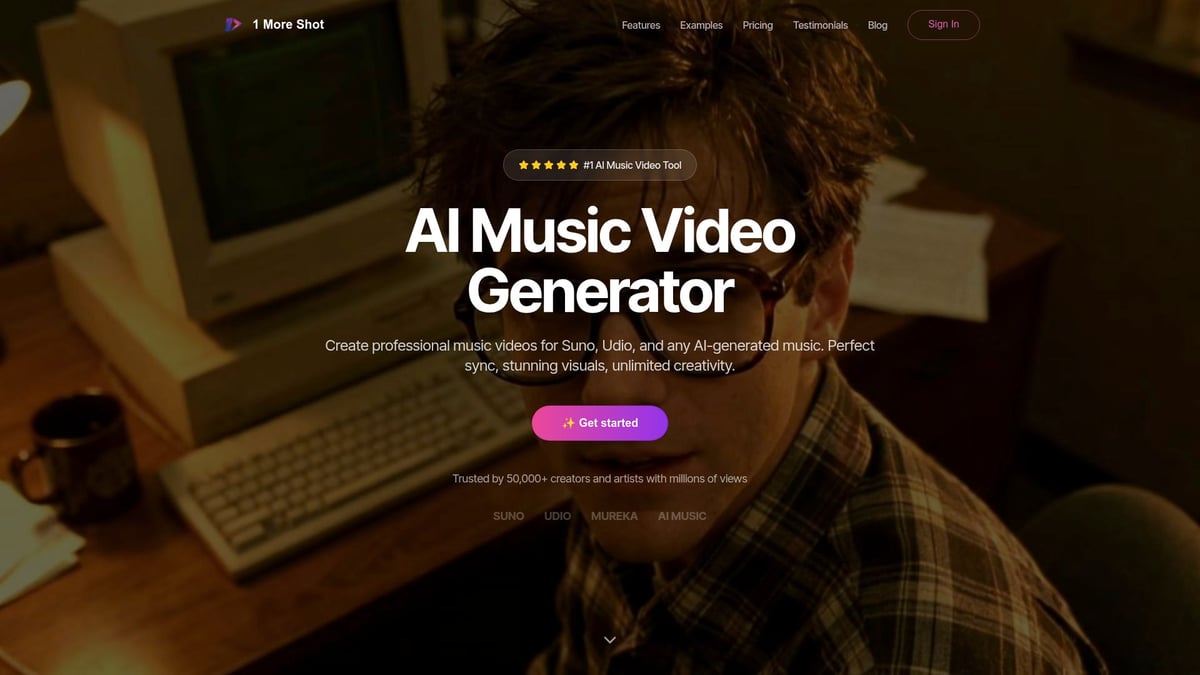
The user interface is intuitive, making it ideal for independent musicians and content producers. Instant download, direct social sharing, and scalable team plans are all available. Over 50,000 creators trust 1 More Shot, enjoying features like Full HD output with no watermarks and a 98% satisfaction rate.
A free trial lets you explore music to ai video creation risk-free, making it a perfect fit for TikTok, YouTube, Instagram, and Spotify Canvas promotion.
Step 3: Uploading and Analyzing Your Track
Once you’ve chosen your platform, upload your prepared audio file. The AI will automatically analyze tempo, mood, and key song features, streamlining the music to ai video process.
Set up your project by adjusting audio settings and reviewing platform-specific options. For example, Neural Frames can extract lyrics and assess the song’s emotional tone for more dynamic visuals.
Tips for this stage:
- Upload the highest quality version of your track
- Double-check that the platform detects song sections accurately
- Customize which song segments generate unique visual transitions
A careful upload and analysis process ensures your music to ai video experience is smooth and results are visually compelling.
Step 4: Designing and Customizing Your Video
Now comes the creative heart of music to ai video production. Select from visual styles such as abstract, psychedelic, cinematic, or realistic. Most platforms let you use text prompts to guide AI visual generation. For instance:
Prompt: "A neon fractal journey through a futuristic city, synced with energetic beats."Adjust timing, transitions, and effects to match your song’s phrasing. Advanced users can use frame-by-frame controls for precise edits. Add lyrics, overlays, or branding to personalize your video.
Consider these customization strategies:
- Use audio-reactive effects that pulse with the music
- Highlight key lyrics or instrumental drops with visual cues
- Maintain consistency with your artist branding
Thoughtful design choices elevate your music to ai video, making your visuals stand out on any platform.
Step 5: Rendering, Exporting, and Sharing
When your design is complete, proceed with rendering. Most music to ai video tools let you choose quality options up to 4K, supporting videos up to 10 minutes.
Select the export format best suited for your target platform:
- Vertical for TikTok and Reels
- Square for Instagram
- Horizontal for YouTube
Download your final video, then use built-in sharing features for instant social distribution. To maximize reach, use relevant hashtags, engaging captions, and consider collaborating with other creators.
A well-executed music to ai video not only showcases your sound but also drives engagement and expands your audience.
Leading AI Music Video Tools to Watch in 2026
The rapid evolution of music to AI video technology has given rise to a new generation of creative tools. In 2026, musicians, producers, and content creators have access to an expanding ecosystem of platforms designed to transform audio tracks into visually stunning videos. These tools are not only redefining how artists express themselves visually but also making high-quality video production accessible to everyone. For an in-depth review of the most powerful platforms, see this Best AI music video tools resource.
Music AI
Music AI has established itself as a leader in the music to AI video sector. Its platform enables instant transformation of songs into engaging videos by leveraging advanced genre and style prompts. Musicians can generate visuals that reflect the mood, tempo, and structure of their tracks, ensuring every video feels unique.
Key features include:
- Instant song-to-video generation using AI prompts
- Built-in lyric generator and AI-powered vocal synthesis
- Studio-quality output optimized for social platforms
- Collaboration and remixing tools within a vibrant community
Users praise Music AI for its intuitive workflow and professional results. Frequent updates introduce new genres, templates, and enhanced stability, keeping the platform at the forefront of the music to AI video movement. Many creators now launch videos within minutes, using Music AI to maximize their reach on TikTok and YouTube.
Neural Frames
Neural Frames is another standout in the music to AI video landscape, known for its deep customization and audio-reactive visuals. The platform lets users generate videos directly from text descriptions or lyrics, syncing visuals precisely to mood and tempo.
Highlights of Neural Frames:
- Frame-by-frame control for granular editing
- Automatic mood and tempo syncing with music
- High-resolution exports up to 4K, supporting videos up to 10 minutes
- Wide selection of visual styles, from psychedelic to hyper-realistic
Trusted by over 23,000 artists and major music labels, Neural Frames empowers creators to produce lyric videos, tour visuals, and unique content for diverse audiences. Testimonials consistently mention the platform’s creative flexibility and ease of use. Neural Frames is a go-to for those seeking full control over their music to AI video projects.
Other Notable Tools & Platforms
Beyond the major players, several emerging solutions are shaping the future of music to AI video creation. These platforms offer features such as smart asset libraries, AI-powered lip-sync, and integration with popular music AI generators like Suno and Udio.
Noteworthy aspects:
- Niche platforms specializing in live VJ integration for performances
- Community-driven updates and active user support forums
- Scalable solutions for bands, agencies, and independent artists
- Seamless export options for TikTok, Instagram, and Spotify Canvas
As the music to AI video space continues to grow, these tools are democratizing video production and enabling creative collaborations. Bands and agencies are now able to scale their video content efficiently, ensuring every release is visually compelling and ready for social sharing.
Maximizing the Impact of Your AI Music Videos
Creating a music to ai video is just the beginning. To truly amplify your reach and connect with listeners, you need an intentional approach to engagement, quality, and community involvement.
Best Practices for Engagement and Reach
To unlock the full potential of your music to ai video, align your visuals with your musical genre and the tastes of your target audience. Consistent branding helps listeners recognize your work across all platforms. Short-form content, especially on TikTok and Instagram Reels, drives viral momentum and can introduce your music to new fans.
Incorporate on-screen lyrics and narrative visuals to deepen emotional resonance. Schedule your music to ai video releases to coincide with song launches or promotional campaigns for maximum impact. Strategic timing can boost playlist placements and streaming numbers.
For more insights, explore these Viral AI music video tips to refine your strategy and ensure every music to ai video stands out in a crowded digital landscape.
Summary Table: Best Practices
| Practice | Benefit |
|---|---|
| Align visuals & genre | Stronger audience connection |
| Consistent branding | Better recognition |
| Use short-form video | Increased viral potential |
| Incorporate lyrics/storytelling | Deeper engagement |
| Time releases strategically | Higher streaming & reach |
Overcoming Common Challenges
While AI tools have streamlined music to ai video creation, technical issues can still arise. Failed downloads, rendering glitches, or unexpected watermarks are common hurdles. To avoid these, always preview your video before exporting and select the highest quality settings your platform allows.
Manage costs by taking advantage of free trials and token-based systems. Subscription tiers can offer better value as your needs grow. Be vigilant about licensing, especially when using AI-generated visuals in public releases. Copyright compliance is critical to avoid takedowns or disputes.
Data privacy should never be overlooked. Choose platforms with transparent practices and responsive support. User reviews often highlight both strengths and pain points, making them a valuable resource when selecting a music to ai video tool.
Common Challenges and Solutions
| Challenge | Solution |
|---|---|
| Low-res exports | Use original files, check export settings |
| Watermarks | Opt for paid or pro plans |
| Licensing issues | Review terms and secure permissions |
| Technical errors | Contact support, check FAQs |
Community, Collaboration, and Feedback
The music to ai video landscape thrives on creative exchange. Engaging with creator communities can inspire new approaches and offer technical support. Platforms like Neural Frames host active forums and Discord servers where musicians, visual artists, and producers share feedback and collaborate.
Collaboration multiplies creative possibilities. Teaming up with other musicians or AI visual artists can lead to innovative projects and broader exposure. Sharing your experiences and suggestions helps shape platform updates, ensuring tools evolve to meet real-world needs.
Testimonials from users highlight how being part of a vibrant community directly fuels innovation and motivation. As you continue your music to ai video journey, remember that your participation in these networks is as important as the videos you create.
The Future of Music and AI Video: Trends to Watch
The world of music to ai video is evolving at lightning speed. As we look ahead to 2026, musicians and creators are on the brink of a new era where technology and artistry blend seamlessly. What trends are set to define this future? Let’s explore the core advancements and creative shifts reshaping the industry.
AI Video Technology Advancements
The backbone of music to ai video innovation lies in next-generation neural networks. These powerful systems generate hyper-realistic visuals and enable real-time rendering, cutting production time dramatically. As 3D, augmented reality, and virtual reality features become standard, creators can immerse audiences in multi-sensory experiences.
Smarter audio analysis will soon allow AI to interpret mood, tempo, and lyrical nuance with greater accuracy. This means visuals will sync perfectly with every beat and emotional shift. Predictive AI tools are also emerging, offering automatic suggestions for visual themes that match the song’s vibe.
These advancements make music to ai video workflows more dynamic and accessible. As frequent software updates roll out, creators can expect even tighter integration between audio and visual elements, raising the standard for immersive storytelling.
The Expanding Role of AI in Music Promotion
AI is transforming not just how videos are made, but also how they are shared and promoted. Automated content generation enables artists to launch coordinated campaigns across multiple platforms with minimal effort. Personalization is on the rise, with AI tailoring video experiences for individual fans, such as interactive or choose-your-own-adventure formats.
Analytics powered by AI help artists optimize their music to ai video releases, identifying what resonates most with audiences. This data-driven approach is fueling rapid adoption: recent AI-generated music statistics 2025 show record growth in both usage and effectiveness of AI in music marketing.
Looking ahead, these tools will allow musicians to refine their strategies, expanding their reach and deepening fan engagement in ways that were previously impossible.
The Creative Possibilities Ahead
The creative landscape for music to ai video is more open than ever. Powerful AI tools are democratizing video production, enabling independent artists to produce content that rivals major label releases. Collaborations between musicians and visual AI artists are sparking fresh, genre-defying projects.
Viral success stories are emerging, as seen in AI music’s impact on charts, where AI-generated songs and videos are topping mainstream charts and playlists. Industry forecasts predict continued growth in AI video adoption, driven by the synergy of human creativity and machine intelligence.
Ultimately, the future of music to ai video promises a vibrant fusion of technology and artistry, empowering creators to push boundaries and connect with fans in entirely new ways.
You’ve seen how AI is opening doors for musicians and creators to bring their sound to life in ways that were never possible before. With tools like 1 More Shot, you can turn your music into captivating videos—quickly, affordably, and with professional-quality results. Whether you’re looking to boost your reach on social platforms, tell your story visually, or simply explore new creative territory, now is the perfect time to step into the future of music video creation. Ready to start making your own AI-powered music videos?
Start Creating Now