Expert Guide to Using AI to Create Videos in 2026
Imagine the power of using ai to create videos that rival Hollywood productions, all from your laptop or phone. In 2026, artificial intelligence is transforming video creation, breaking down barriers that once kept high-quality content out of reach for many.
This guide is your roadmap to mastering this new landscape. Discover how you can move from brainstorming to sharing polished, cinematic videos with ease. We will unpack the evolution of AI video technology, walk you through practical creation steps, spotlight top tools, and examine real-world applications across industries.
Ready to see what is possible? Dive in and unlock the potential of AI-driven video production for yourself.
The Evolution of AI Video Creation Technology
The landscape of using ai to create videos has transformed dramatically in just a few years. What began as simple templates and automation has grown into a complex ecosystem where AI models generate, edit, and personalize video content with astonishing speed and realism.
Major Milestones in AI Video Development
The journey of using ai to create videos began with advances in deep learning and neural networks. These breakthroughs enabled machines to not only analyze but also generate moving images. Generative Adversarial Networks (GANs) marked a turning point, as did transformer models, which improved coherence and style in video generation.
Between 2023 and 2025, the emergence of text-to-video and multimodal AI models, such as OpenAI Sora and Google Lumiere, made it possible to convert written prompts into compelling visual stories. The integration of cloud computing further accelerated scalable video rendering, shifting the industry from basic templates to fully generative, customizable content.
AI’s Role in Democratizing Video Production
Using ai to create videos has significantly lowered the barriers for non-experts and small businesses. AI-driven tools have reduced production costs by up to 70 percent, according to industry reports. This cost efficiency allows startups and creators to compete with larger brands on a more level playing field.
Small brands are now able to produce viral campaigns without the need for expensive film crews or editing suites. As a result, creative diversity and accessibility are flourishing, opening the door for new voices and perspectives in video content.
Key AI Technologies Powering Video Creation
At the core of using ai to create videos are several transformative technologies. Text-to-video synthesis lets users turn simple scripts into fully realized video scenes. AI-powered editing automates cuts, transitions, and effects, while voice and lip-sync AI generate lifelike dialogue and music videos.
Other innovations include real-time style transfer, dynamic visual effects, and data-driven personalization, which tailors content to specific audiences. These advancements make it possible for both professionals and amateurs to achieve expert-level results.
Market Growth and User Adoption
The market for using ai to create videos is expanding rapidly. Industry forecasts project the video AI market will reach $35 billion by 2026. More than 60 percent of marketers plan to adopt AI video tools within the next few years, a trend supported by rapid uptake among educators, influencers, and enterprise teams.
According to the Grand View Research AI Video Generator Market Outlook, the U.S. market alone is expected to grow from $105.4 million in 2023 to $376 million by 2030. User testimonials consistently highlight the dramatic savings in time and cost.
Challenges and Limitations in Early AI Video
Despite rapid progress, the first wave of using ai to create videos faced notable challenges. Early outputs often suffered from unnatural visuals and limited scene complexity. Data bias and copyright issues also posed concerns.
Ongoing improvements in model training and careful dataset curation have addressed many of these issues. However, the need for human creative direction remains essential to ensure that AI-generated videos are both engaging and authentic.
Step-by-Step Workflow: Using AI to Create Videos in 2026
Unlocking the true potential of using ai to create videos in 2026 requires a clear, streamlined workflow. Whether you are a marketer, educator, or content creator, following these practical steps ensures quality and efficiency. Let us explore each phase, from ideation to iteration, to help you master the process.

Step 1: Ideation and Scripting with AI
The journey of using ai to create videos starts with ideation. AI-powered brainstorming tools generate creative concepts, plot outlines, and unique angles for your projects. Platforms like Jasper AI assist in drafting scripts, suggesting dialogue, and even visualizing initial storyboards.
Collaborative features enable real-time input from both humans and AI, blending creative intuition with data-driven insights. By leveraging these tools, you quickly transform ideas into structured scripts and visual plans. For a more detailed walkthrough, see Using AI to make videos, which outlines best practices for this stage.
Step 2: Selecting the Right AI Video Generation Platform
Choosing the right platform is crucial when using ai to create videos. Compare leading solutions such as OpenAI Sora, Runway, Google Lumiere, and Synthesia. Evaluate each for output quality, customization options, integration capabilities, and user interface.
Consider your project’s goals—marketing, educational content, or entertainment—to guide your selection. Many platforms offer demo videos and free trials, letting you test features before committing. The right match ensures your workflow remains smooth and the final results meet your expectations.
Step 3: Inputting Prompts and Customizing Settings
At this stage of using ai to create videos, you craft detailed prompts that specify the style, tone, and length of your video. Inputting clear instructions helps the AI interpret your vision accurately. Adjust variables such as aspect ratio, resolution, visual effects, and pacing to align with your brand.
Incorporate assets like logos, color palettes, and music tracks to maintain consistency. Most platforms provide real-time previews, allowing you to refine settings iteratively for optimal results.
Step 4: Generating and Editing Video Content
With prompts and settings in place, using ai to create videos means letting the AI render your first draft—sometimes in minutes. Automated editing tools handle scene transitions, background music, and subtitles, streamlining the post-production phase.
However, human oversight remains key. Use manual controls for frame-by-frame adjustments and final polish. Version control features help track changes and revert to earlier edits if needed, ensuring creative control throughout the process.
Step 5: Enhancing with AI-Powered Features
One of the major advantages of using ai to create videos is the ability to add advanced enhancements effortlessly. AI-generated voiceovers can narrate scripts in multiple languages, while lip-sync and facial animation produce lifelike dialogue and performances.
Motion graphics and dynamic overlays bring extra flair, and personalization tools tailor content for different audiences. These features elevate production value, making videos more engaging and professional.
Step 6: Exporting and Distributing AI Videos
Once your project is complete, using ai to create videos extends to smart exporting and distribution. Select formats optimized for platforms like TikTok, YouTube, and Instagram. AI-driven recommendations identify the best times and channels for publishing, maximizing reach.
Integration with marketing automation tools enables seamless scheduling and sharing. Built-in analytics track performance metrics, helping you measure success and refine your distribution strategy.
Step 7: Iterating Based on Data and Feedback
The final step of using ai to create videos involves continuous improvement. AI analytics assess viewer engagement, retention, and conversion rates. Use A/B testing to compare different video versions and discover what resonates most.
Automated insights guide your creative decisions for future projects. Many brands now refine their ad creatives and educational materials using this data-driven approach, achieving higher ROI and more impactful content.
Top AI Video Creation Tools & Platforms for 2026
The landscape for using ai to create videos has never been more dynamic. In 2026, creators have access to advanced platforms that transform ideas into cinematic content within minutes. Whether you’re a marketer, educator, or artist, the right AI video tool can unlock new creative possibilities and streamline production.
Overview of Leading AI Video Tools
Several leading platforms are redefining using ai to create videos at scale. OpenAI Sora stands out with its advanced text-to-video generation, enabling users to turn prompts into cinematic-quality content. Runway offers real-time video editing and powerful generative effects, perfect for creators seeking instant results.
Google Lumiere brings multimodal AI, allowing for interactive and richly layered video experiences. Synthesia is renowned for lifelike AI avatars and voice synthesis, making professional video production accessible to non-experts.
These platforms focus on speed, realism, and customization, ensuring users can produce high-quality videos tailored to their needs.
Specialized Platforms for Niche Needs
While mainstream tools are versatile, specialized platforms excel in targeted scenarios when using ai to create videos. Pictory automates video summaries from long-form content, ideal for educators and content marketers. Lumen5 streamlines social media video automation, letting marketers create eye-catching posts rapidly.
Descript is favored for its AI-powered editing and podcast-to-video conversion, simplifying multimedia workflows. D-ID produces photorealistic talking head videos, popular in e-learning and virtual presentations.
Each platform is optimized for specific use cases, delivering unique value to professionals in education, news, entertainment, and e-commerce.
One More Shot AI: AI-Powered Music Video Generation
If your focus is using ai to create videos in the music industry, One More Shot AI is a game-changer. This platform transforms audio tracks into professional music videos in minutes, leveraging instant music-video sync and advanced lip-sync technology.
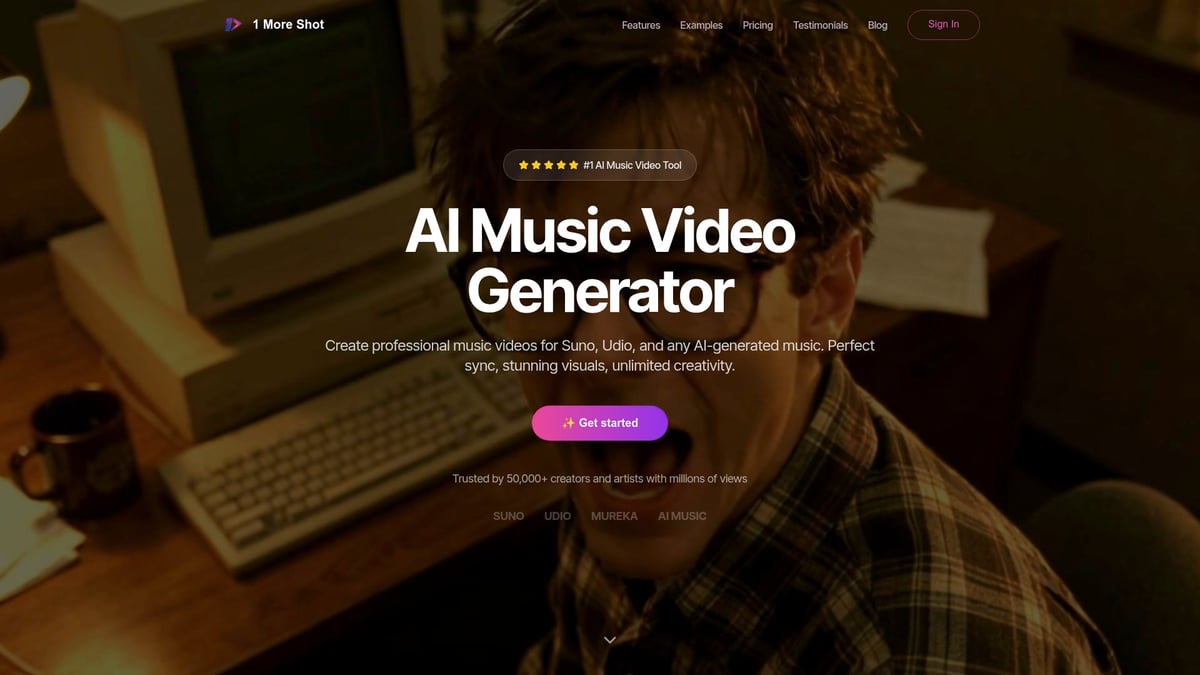
With a smart asset library and frame-by-frame control, creators can fine-tune every visual detail. Export options cover TikTok, YouTube, and Instagram, facilitating rapid content sharing. Real-world impact: over 50,000 creators use One More Shot AI, with a 98 percent satisfaction rate.
Musicians, marketers, and content creators benefit from fast, high-quality music videos without traditional production hurdles.
Key Features Comparison Table
Selecting the right platform for using ai to create videos often comes down to comparing key features. Below is a high-level comparison:
| Platform | Price | Output Quality | Supported Formats | Unique Features | Ideal User |
|---|---|---|---|---|---|
| Sora | $$$ | Cinematic | MP4, MOV | Text-to-video, realism | Filmmakers, marketers |
| Runway | $$ | High | MP4, GIF | Real-time editing, effects | Creators, editors |
| Lumiere | $$$ | Interactive | MP4, AR/VR | Multimodal, interactivity | Educators, brands |
| Synthesia | $$ | Professional | MP4 | AI avatars, voice synthesis | Enterprises, trainers |
| One More Shot AI | $ | Music-focused | MP4, Social | Music sync, lip-sync, assets | Musicians, marketers |
Synthesia excels in corporate training, while One More Shot AI leads for music videos.
How to Choose the Best AI Video Tool for Your Needs
Determining the best approach for using ai to create videos starts with your project type, technical skills, and budget. Trial periods and user reviews offer practical insights before committing.
Evaluate each platform’s AI ethics, data privacy, and output licensing policies. For a thorough overview of available solutions, see this AI tools for video making resource.
Marketers may prefer platforms with social media integrations, while educators benefit from tools with adaptive learning features. Always match your needs to the platform’s strengths for optimal results.
Real-World Use Cases: AI Video Creation Across Industries
Artificial intelligence is transforming the video landscape in ways few could have predicted. Today, using ai to create videos is not just a trend but a standard practice across multiple industries. Let us explore how different sectors are leveraging AI video tools for real-world impact.
Marketing and Advertising
Marketers are increasingly using ai to create videos that are personalized, engaging, and cost-effective. AI-generated ads can be tailored to specific demographics, boosting relevance and conversion rates. For example, dynamic video personalization enables brands to deliver unique messages to each viewer, increasing engagement.
A notable case is an e-commerce brand that used AI-driven video ads to boost click-through rates by 40%. Automated A B testing and campaign optimization are now commonplace. In fact, IAB’s 2025 Digital Video Ad Spend Report reveals that 86% of digital video ad buyers are using or planning to use generative AI for ad creation.
Entertainment and Music
In entertainment, using ai to create videos empowers musicians, filmmakers, and studios to produce high-quality content with fewer resources. Indie artists can now launch viral music videos and lyric animations without expensive studios. Film studios employ AI for pre-visualization, storyboarding, and even generating animated performances.
Virtual influencers and digital avatars are also making waves, enabling new forms of audience engagement. AI video tools bring creative visions to life, allowing for rapid iteration and experimentation in ways that were previously impossible.
Education and Training
Education has seen a significant boost from using ai to create videos. AI-generated explainer videos and microlearning modules make complex topics accessible and engaging. Personalized learning paths are crafted with adaptive video content that responds to each learner’s needs.
Universities and online educators use AI video platforms to deliver remote courses efficiently, saving time and resources. Accessibility is also improved, as AI can automatically generate captions and translations, ensuring content reaches a wider audience.
Corporate Communications and Internal Training
Enterprises are using ai to create videos for onboarding, compliance, and ongoing employee development. Automated training modules with AI avatars deliver multilingual content, breaking down communication barriers in global organizations.
Internal communications have also evolved, with CEOs and leaders sending personalized video updates or policy rollouts. These AI-powered videos have measurable impacts on employee engagement and knowledge retention, streamlining processes across departments.
Social Media and Influencer Content
Social media influencers thrive by using ai to create videos at scale for platforms like TikTok, Instagram Reels, and YouTube Shorts. AI-powered tools enable daily content creation, trend participation, and the rapid adoption of viral effects.
For example, some influencers have grown their audiences fivefold by leveraging AI-generated challenges, memes, and dynamic visual effects. The accessibility and speed of AI video generation empower creators to stay ahead of trends and maintain high engagement with their communities.
Ethical, Legal, and Creative Considerations in AI Video Creation
Navigating the world of using ai to create videos means facing new ethical, legal, and creative questions. As AI video technology advances, understanding these considerations is crucial for responsible and successful video production.
Copyright and Intellectual Property Issues
When using ai to create videos, questions of copyright and intellectual property come to the forefront. AI-generated content often blends original assets with datasets sourced from across the internet, raising concerns about ownership and licensing.
Creators must ensure they have the right to use any images, music, or video clips included in their AI-generated projects. Legal frameworks around AI content are still evolving, and recent cases suggest that both the creator and the AI platform could be held responsible for infringements. For best practices, consult resources like the Creating videos with AI guide, which details how to avoid common pitfalls and stay compliant with current regulations.
Deepfakes, Misinformation, and Content Authenticity
The rise of using ai to create videos has led to concerns about deepfakes and manipulated media. Deepfake technology can generate hyper-realistic videos that may deceive viewers or spread misinformation if misused.
To address this, many platforms are developing detection tools and authenticity verification systems. Industry standards now encourage clear labeling of AI-generated content. Staying transparent with your audience and following ethical guidelines helps build trust and mitigates the risks associated with AI-driven video creation.
Data Privacy and Security
Using ai to create videos often involves handling personal data, such as user images or voice samples. Protecting this data is critical, especially with stricter regulations like GDPR and CCPA now in place.
Creators should choose AI platforms that prioritize transparency, provide clear user controls, and use robust encryption for data storage and transfer. Always inform users about how their data will be used in video projects, and avoid uploading sensitive information unless absolutely necessary. Following these best practices ensures both compliance and user trust.
Creative Collaboration: AI and Human Roles
The process of using ai to create videos is most effective when it blends automation with human creativity. While AI can automate editing, scripting, and effects, human oversight remains essential for creative direction and quality control.
Producers and editors now act as creative partners with AI, guiding the technology to achieve specific visions. Collaborative workflows, where humans refine AI-generated drafts, lead to more original and impactful content. Embracing this synergy unlocks new storytelling possibilities while maintaining creative integrity.
Accessibility and Inclusivity in AI Video
A core benefit of using ai to create videos is the potential to make content more accessible and inclusive. AI tools can automatically generate captions, translations, and audio descriptions, breaking down language and ability barriers.
By prioritizing accessibility features, creators ensure their videos reach wider audiences, including those with disabilities or non-native language speakers. Industry initiatives are pushing for inclusive AI video design, making the future of video creation more equitable for all.
The Future of AI Video Creation: Trends and Predictions for 2026 and Beyond
The landscape of using ai to create videos is evolving rapidly, promising a future where content is smarter, more adaptive, and deeply personalized. As we look ahead to 2026 and beyond, several key trends are poised to redefine how individuals and organizations leverage this technology.
Hyper-Personalization and Real-Time Video Generation
The next frontier for using ai to create videos is hyper-personalization. AI systems can now generate unique videos for each viewer, adapting content in real time based on preferences and behaviors. For example, marketing videos may change messaging or visuals automatically to suit a customer’s interests. In education, personalized explainer videos can address individual learning gaps. This level of customization drives deeper engagement and retention, making every viewing experience feel tailor-made.
Integration with AR, VR, and Metaverse Platforms
Using ai to create videos will increasingly intersect with immersive technologies. AI-generated video content is being tailored for AR and VR platforms, enabling interactive storytelling and virtual events. Brands are already experimenting with metaverse-ready video assets for virtual concerts, product launches, and branded experiences. As these platforms mature, expect seamless workflows where AI-generated videos power both 2D and 3D worlds, broadening creative possibilities.
Advances in Multimodal AI and Cross-Platform Creation
Recent research, such as the UniVA: Universal Video Agent Research Paper, highlights breakthroughs in multimodal AI. These systems combine text, audio, images, and interactivity, allowing creators to use a single tool for diverse content formats. Using ai to create videos now means producing assets for web, mobile, wearables, and beyond, all from a unified prompt. This convergence accelerates production cycles and enhances creative agility, supporting rapid experimentation and innovation.
Democratization and Creator Economy Impact
The democratization of using ai to create videos is transforming the creator economy. Lower costs and accessible tools empower individuals worldwide to produce professional-grade content. New monetization models, such as AI video marketplaces and NFT videos, are emerging. According to the Precedence Research AI Video Market Report, the AI video market is expected to reach $46 billion by 2034, reflecting massive adoption. By 2028, it is predicted that 80% of online video content will be AI-assisted, fueling unprecedented growth for creators.
Anticipated Challenges and Opportunities
Despite exciting progress, using ai to create videos presents challenges. Ethical questions around authenticity, transparency, and creative credit are growing. Evolving regulations demand careful navigation of data privacy and copyright. However, these challenges also spark innovation in verification tools, standards, and digital literacy. The future will reward those who combine AI’s capabilities with human creativity, ensuring responsible and compelling video storytelling.
After exploring how AI has transformed video creation—from ideation through editing and distribution—it’s clear that producing professional-grade content is now within everyone’s reach. Whether you’re an artist, marketer, or content creator, advanced platforms like One More Shot AI make it incredibly simple to turn your ideas and music into high-quality videos, all powered by cutting-edge AI. If you’re ready to put this new technology into action and see just how effortless video production can be, you don’t have to wait any longer.