Generate Video Using AI: The Essential Guide for 2026
Imagine being able to generate video using ai and produce eye-catching, professional content in just minutes, all without expensive equipment or a production team. In 2026, this is not only possible, but rapidly becoming the new standard for creators and businesses.
This essential guide will help you navigate the world of AI video generation. You will learn what sets this technology apart, discover leading tools, and follow a clear, step-by-step workflow.
Explore practical use cases, ethical considerations, and expert tips to maximize your results. Unlock the creative potential and efficiency that AI brings to video production—your journey starts here.
What is AI Video Generation?
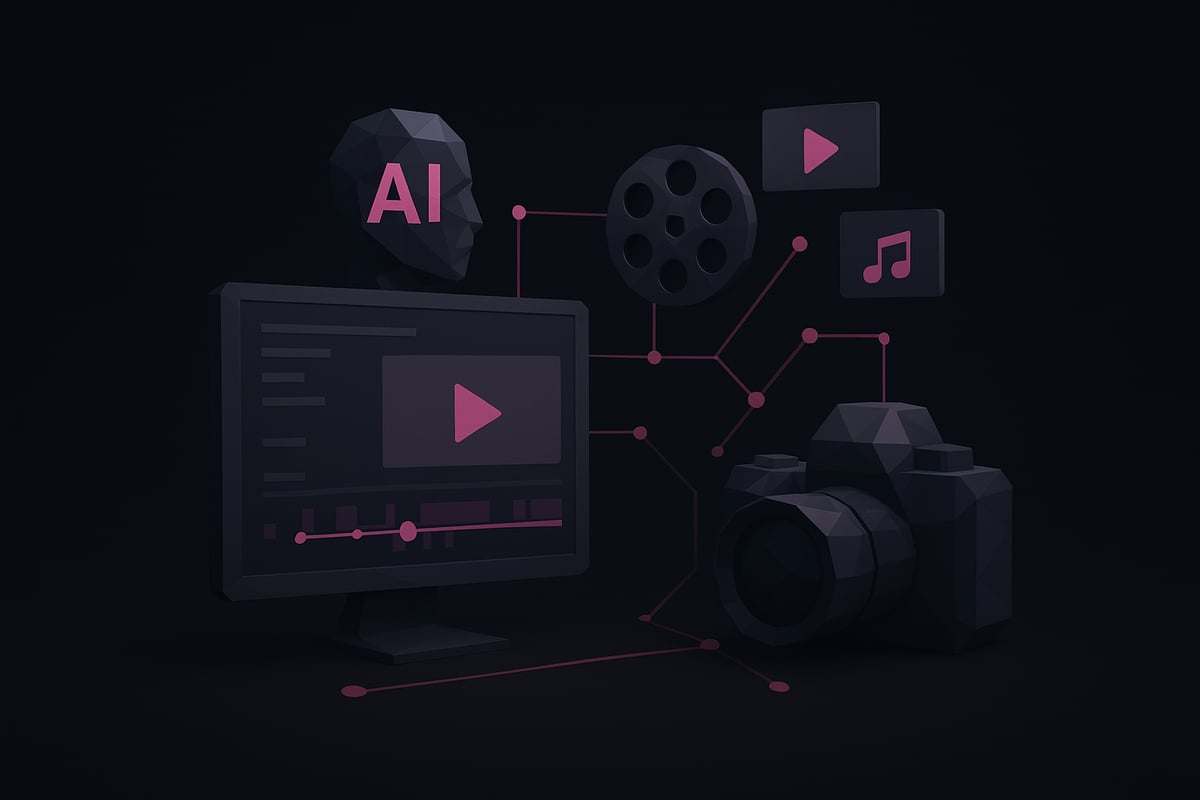
Imagine being able to generate video using ai in ways that were once only possible for Hollywood studios. AI video generation is the process of creating videos from scratch or transforming existing content using artificial intelligence. Unlike traditional or template-based tools, these systems use deep learning, generative adversarial networks (GANs), large language models (LLMs), and multimodal AI to analyze and synthesize visuals, audio, and text.
Platforms like OpenAI’s Sora, Google’s Lumiere, Runway Gen-3, and Pika Labs showcase just how advanced these systems have become. By 2026, Gartner projects that over 40 percent of all online video content will be AI-generated. For a step-by-step explanation of how to generate video using ai, see this AI video creation guide.
Defining AI Video Generation
To generate video using ai, algorithms learn from massive datasets of images, audio, and video. Unlike manual editing or drag-and-drop templates, AI interprets prompts or scripts and creates new visuals, animations, and sequences. This process is powered by neural networks and GANs, which can imagine scenes, animate characters, or even simulate realistic environments.
Some of the most notable examples include Sora’s photorealistic video synthesis and Runway Gen-3’s creative real-time editing features. These tools represent a leap forward compared to traditional video production workflows.
How AI Video Generation Works
When you generate video using ai, the process can start with text, images, or audio. Text-to-video systems turn written scripts or prompts into visual stories. Image-to-video and audio-to-video models take reference files and build out animations or synchronized visuals.
At the core, neural networks and diffusion models analyze the input, predict visual sequences, and render frames. For example, you can input a short script, and the AI will transform it into a fully realized video, complete with generated backgrounds, motion, and even lip-synced dialogue.
Key Benefits and Limitations
Why generate video using ai? The biggest advantages are speed and accessibility. What once took days or weeks can now be accomplished in minutes, with no need for cameras or advanced editing skills. AI video tools lower the barrier for creators, marketers, educators, and businesses.
However, there are still limitations. AI sometimes struggles with complex motion, subtle emotional expression, or maintaining narrative coherence. For example, generating a scene with intricate choreography or nuanced acting can challenge even the best AI systems.
Use Cases Across Industries
When organizations generate video using ai, the possibilities span many sectors. In marketing, AI powers social ads, explainer videos, and personalized campaigns. Educators use AI video for interactive lessons and training modules. Entertainment industries leverage it for music videos, short films, and virtual influencers.
According to HubSpot, 60 percent of marketers plan to use AI-generated video by 2026. This growth reflects how essential AI video tools have become for content creation and communication.
Evolution and Milestones
The journey to generate video using ai began with early experiments in GANs and machine learning. Over the past decade, breakthroughs like Sora’s text-to-video realism and Runway’s real-time editing have accelerated adoption. Each new milestone brings AI video generation closer to mainstream use.
By 2026, experts predict that AI-driven video creation will be a standard part of digital communication. As the technology evolves, expect even greater realism, creative control, and accessibility.
Leading AI Video Generation Tools & Platforms in 2026
The landscape to generate video using ai is rapidly expanding, with new platforms pushing creative boundaries and streamlining workflows. With so many options available, choosing the right solution can feel overwhelming. Below, we break down the leading tools and platforms in 2026, their standout features, and where each excels.
Top General-Purpose AI Video Generators
When you want to generate video using ai for any use case, top general-purpose platforms dominate the field. OpenAI Sora and Google Lumiere stand out for their advanced text-to-video capabilities, realistic visuals, and flexible input options. Runway Gen-3 and Pika Labs offer intuitive interfaces and strong community support.
- OpenAI Sora: Known for photorealistic rendering and nuanced motion.
- Google Lumiere: Excels in real-time video synthesis and style transfer.
- Runway Gen-3: Great for collaborative editing and creative control.
- Pika Labs: Focuses on accessibility and rapid prototyping.
As of 2026, Sora and Lumiere account for 70 percent of the market share, according to Statista. For a deeper dive into these platforms, see this Best AI video generators overview.
Specialized AI Video Tools by Use Case
For those with specific needs, specialized platforms help users generate video using ai tailored to unique scenarios. Synthesia leads in corporate training, letting companies create avatar-led explainer videos at scale. DeepBrain focuses on lifelike avatars for digital communication, while Kaiber is popular among musicians for dynamic music visuals.
- Synthesia: Trusted by over 35,000 businesses for training and onboarding.
- DeepBrain: Advanced avatar tech for virtual meetings and broadcasts.
- Kaiber: AI-powered music video generator with beat detection and effects.
- AdCreative.ai: Designed for marketers to create high-converting ad videos.
These tools offer specialized templates, multilingual support, and industry-specific features.
AI Music Video Generators
Musicians and creators increasingly generate video using ai to produce engaging music videos. AI-driven platforms analyze audio tracks, detect beats, and sync visuals for compelling results. Features often include:
- Audio-to-video mapping for perfect timing
- Advanced lip-sync technology
- Visual effects and animated overlays
AI-generated music videos are trending on platforms like TikTok and YouTube, enabling independent artists to reach wider audiences without traditional production barriers.
1 More Shot: AI Music Video Generator
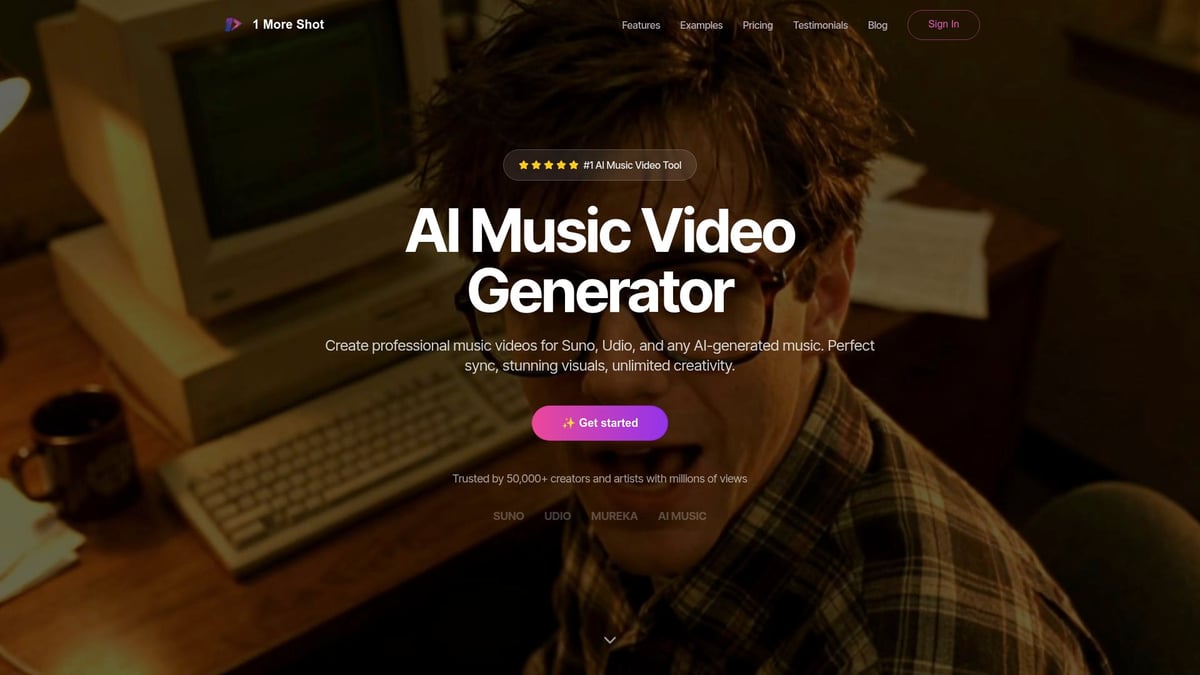
1 More Shot empowers users to generate video using ai directly from audio tracks, streamlining music video creation for all skill levels. The platform offers frame-by-frame editing, a smart asset library, real-time preview, and advanced lip-sync for flawless audio-visual sync.
- Lightning-fast processing for instant results
- HD exports in multiple formats with no watermarks
- Perfect for independent artists, content creators, and record labels
With its accessible interface and professional-grade output, 1 More Shot is a go-to for anyone needing high-quality music video production in minutes.
Comparison Table: Features & Pricing
To help you choose the best way to generate video using ai, compare the leading platforms by features and pricing below.
| Platform | Input Types | Max Resolution | Editing Controls | Export Options | Avg. Cost/Min (USD) |
|---|---|---|---|---|---|
| Sora | Text, Image | 4K | Advanced | MP4, MOV | $5 |
| Lumiere | Text, Audio | 4K | Real-time, Templates | MP4, WebM | $6 |
| Runway Gen-3 | Text, Image, Vid | 4K | Collaborative | MP4, GIF | $4 |
| Pika Labs | Text, Image | 1080p | Basic | MP4 | $2 |
| 1 More Shot | Audio, Text | 4K | Frame-by-frame | MP4, MOV, WebM | $3 |
Since 2023, the average cost per minute to generate video using ai has dropped by 60 percent, making high-quality production more accessible than ever.
Step-by-Step Guide: How to Generate a Video Using AI in 2026
Creating impactful videos has never been more accessible. Whether you are a marketer, educator, or content creator, understanding how to generate video using ai can unlock new creative potential. Follow this structured, step-by-step guide to streamline your workflow and produce professional results.
Step 1: Define Your Video Objective & Audience
Start your process by clarifying why you want to generate video using ai. Are you aiming to create a product demo, educational module, or a music video? Pinpointing your objective will help you make informed decisions throughout production.
Next, identify your target audience. Consider their age, interests, preferred platforms, and expectations for style and tone. This ensures your video resonates and achieves its intended impact.
For example, a TikTok promo for Gen Z will differ greatly from a corporate explainer aimed at executives. By clearly defining your purpose and audience, you set a strong foundation to generate video using ai that delivers results.
Step 2: Choose the Right AI Video Generation Tool
Selecting an appropriate platform is crucial. When you generate video using ai, the tool you pick determines your creative flexibility, input options, and output quality.
Evaluate each tool based on:
- Supported input types (text, audio, images)
- Creative control (editing features, templates)
- Output formats (resolution, aspect ratio)
- Budget and pricing plans
Compare user reviews, trial versions, and feature sets. For instance, Runway is ideal for general video projects, while 1 More Shot excels at music videos.
If you need a deeper comparison of available platforms and their unique features, consider exploring resources like How to make AI videos.
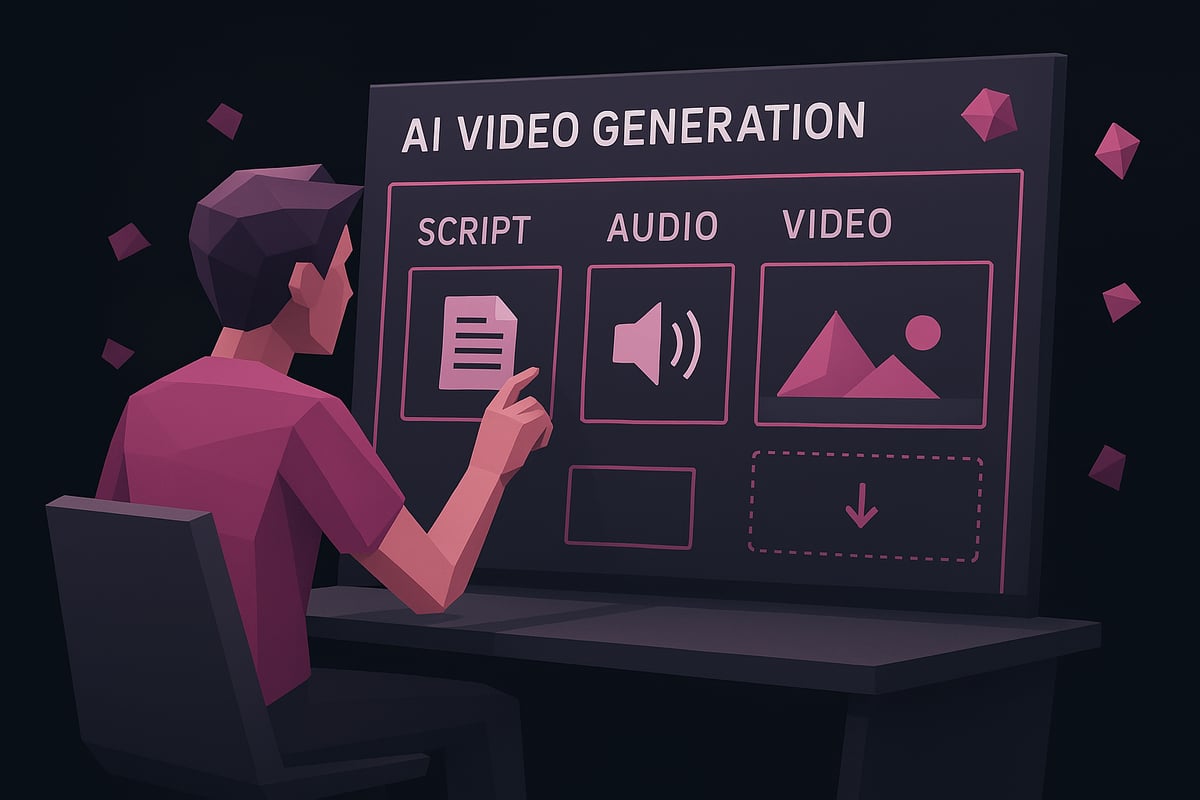
Step 3: Prepare Your Inputs (Script, Audio, Visuals)
To generate video using ai effectively, preparation is key. Start by crafting a clear, descriptive prompt or a well-structured script. Use concise language and specify desired visuals, tone, or actions.
Next, gather supporting assets:
- Audio tracks for music or voiceover
- Reference images for visual style
- Brand elements such as logos or colors
Strong inputs help AI models interpret your intent and create videos that match your vision.
Step 4: Generate the Video with AI
With your assets ready, it is time to generate video using ai. Upload your script, audio, or visuals to the chosen platform. Enter prompts or select templates as needed.
Set parameters such as:
- Video style and mood
- Length and pacing
- Resolution and aspect ratio
Most platforms offer real-time previews, allowing you to see how the AI interprets your inputs. For detailed walkthroughs, consult step-by-step guides offered by leading platforms.
Step 5: Edit and Fine-Tune the Output
AI-generated videos often need a human touch. Use built-in editing tools to trim scenes, rearrange clips, or add overlays and subtitles. Advanced features like frame-by-frame editing or color correction provide higher creative control.
Check for narrative coherence and adjust elements to ensure your message lands. Fine-tuning is essential when you generate video using ai, as it bridges the gap between machine output and your unique vision.
Step 6: Export and Distribute Your AI Video
Once satisfied with your video, export it in the appropriate format for your target platform. Common options include MP4 for YouTube, vertical formats for TikTok, or square videos for Instagram.
Ensure optimal quality settings, and double-check compatibility with your chosen channels. Schedule posts using social media management tools for maximum reach. When you generate video using ai, efficient distribution multiplies your content’s impact.
Best Practices for Workflow Optimization
Streamline your workflow to save time and boost productivity. Here are some proven tips for those who generate video using ai:
- Batch process multiple videos to maximize efficiency
- Leverage templates and reusable assets for consistency
- Use cloud-based platforms for seamless collaboration
According to MarketingProfs, 75% of marketers report increased productivity when using AI video tools. Consistent processes help you scale content creation with confidence.
Troubleshooting Common Issues
Even advanced AI can make mistakes. When you generate video using ai, you may encounter:
- AI hallucinations or unexpected visuals
- Glitches in motion or transitions
- Mismatched audio and visuals
To resolve these, refine your prompts, adjust input quality, or use manual editing tools. For persistent issues, consult platform support or community forums. Mastering troubleshooting ensures your final video meets professional standards and maintains viewer trust.
Ethical, Legal, and Creative Considerations in AI Video Generation
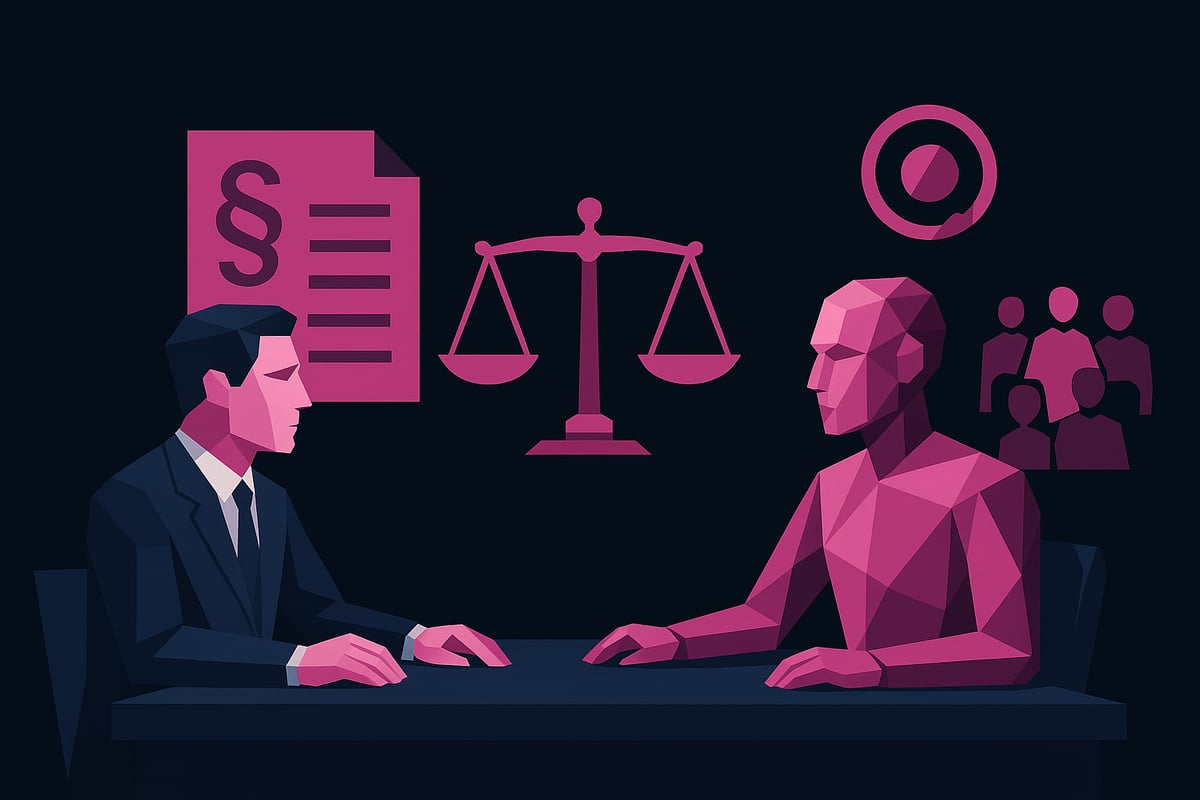
The ability to generate video using ai is revolutionizing content creation, but it also introduces important ethical, legal, and creative questions. Understanding these considerations is essential for anyone looking to leverage AI video tools responsibly and effectively.
Copyright and Intellectual Property
Ownership of content created when you generate video using ai is a complex and evolving topic. Traditionally, copyright law protects works created by humans, but AI-generated videos can blur these lines.
Legal frameworks are now being updated to address AI authorship, especially in the US, EU, and Asia. For example, the proposed No Fakes Act legislation overview in the US specifically targets digital replicas and AI-generated media, aiming to clarify rights for creators and subjects.
Disputes have already surfaced over AI-generated film scenes, with studios and artists questioning who owns the final product. Staying informed about regional legislation is crucial for anyone planning to generate video using ai at scale.
Deepfakes, Authenticity, and Misinformation
The power to generate video using ai brings remarkable creative opportunities, but also new risks. Deepfakes and manipulated media can be used to spread misinformation or create fake news, making authenticity a major concern.
To address this, AI watermarking and digital provenance standards are emerging. These solutions help verify the source of AI-generated videos and reassure viewers about authenticity. According to the IAB’s 2025 Digital Video Ad Spend Report, nearly 90 percent of advertisers plan to use generative AI for video ads in the coming year, highlighting the urgent need for trust in digital content.
A recent study found that 80 percent of consumers worry about the authenticity of AI-generated videos, making transparency and verification vital when you generate video using ai.
Responsible and Inclusive Content Creation
When you generate video using ai, it is important to consider responsible and inclusive practices. AI training data can introduce biases, which may be reflected in the videos produced. This can unintentionally reinforce stereotypes or exclude certain groups.
Best practices include regularly auditing AI models for bias and ensuring diverse datasets. Accessibility is another key aspect: adding subtitles and audio descriptions helps make AI-generated videos usable for people with disabilities.
AI has the potential to democratize content creation, but only if inclusivity is prioritized. By focusing on ethical standards, creators who generate video using ai can reach a broader, more diverse audience.
Privacy and Consent
Privacy is a significant concern when you generate video using ai, especially if real people’s images or voices are involved. Obtaining proper model releases and documented consent is essential when using someone’s likeness.
The rise of AI-generated avatars and synthetic actors further complicates the landscape. Legal cases have already emerged over unauthorized use of celebrity images in AI-generated content. Legislation, like the No Fakes Act legislation overview, seeks to protect individuals from misuse and ensure ethical boundaries are respected.
By following clear consent protocols, creators can avoid legal pitfalls and build trust when they generate video using ai.
Creative Collaboration: Human + AI
The relationship between human creators and AI is rapidly evolving. Rather than replacing creative jobs, many professionals view AI as an augmentative tool when they generate video using ai.
AI can accelerate workflows, automate repetitive tasks, and open new creative avenues. Still, human input remains essential for storytelling, emotional nuance, and final editing choices. According to recent data, 68 percent of video professionals see AI as a collaborative partner, not a replacement.
By embracing a partnership model, creators can maximize the benefits of AI while maintaining creative control and originality every time they generate video using ai.
Future Trends and Predictions for AI Video Generation
The future of video creation is being redefined by artificial intelligence. As we look ahead to 2026 and beyond, new technologies will transform how we generate video using ai, making the process more realistic, interactive, and accessible to everyone. Let us explore the five most significant trends shaping this rapidly evolving landscape.
Hyper-Realistic Video Synthesis
In 2026, hyper-realistic video synthesis will reach new heights. AI models are now capable of producing faces, motion, and environments that closely mimic real life. This leap is powered by advances in neural networks and diffusion models, such as the latest Runway Gen-4 technology. For a deeper dive into this breakthrough, see the Runway Gen-4 model details. As a result, teams can generate video using ai that rivals traditional filming, even for complex scenes or dynamic lighting. However, creators must still review outputs to ensure authenticity and avoid uncanny results.
Real-Time, Interactive, and Personalized Video
Another major trend is the rise of real-time, interactive, and highly personalized content. AI-powered tools now enable brands and educators to generate video using ai that adapts instantly to viewer choices. Imagine branching storylines, live avatars, or tailored marketing clips that respond to individual preferences. This level of interactivity increases engagement and makes content feel unique to each user. As personalization becomes standard, expect AI video to revolutionize e-learning, entertainment, and customer experience.
Integration with AR, VR, and the Metaverse
AI-generated video is also merging with augmented reality, virtual reality, and the metaverse. Platforms now allow creators to generate video using ai for immersive experiences, such as virtual concerts or interactive classrooms. By combining 3D avatars, dynamic environments, and real-time rendering, users can participate in events that blur the line between physical and digital worlds. As AR and VR hardware becomes more accessible, AI video will be a cornerstone of next-generation social and educational spaces.
Democratization and Accessibility
The democratization of video creation is accelerating. No-code and mobile-first platforms let anyone generate video using ai, regardless of technical background. This shift is visible in the explosive growth of platforms like HeyGen AI, which now serves millions of users globally. With multilingual support and localization, creators from all regions can produce high-quality videos for any audience. By 2026, most users of AI video tools will be non-professionals, opening new opportunities for diverse voices.
Regulatory and Societal Impact
As AI-generated video becomes mainstream, regulation and public perception will play a critical role. Governments are developing standards to address copyright, authenticity, and misinformation. Educators predict that as people generate video using ai more frequently, digital literacy will need to include understanding AI-generated media. Society is also grappling with issues of trust and the ethical use of synthetic content. Ultimately, responsible adoption and transparent practices will help ensure AI video benefits everyone while minimizing risks.
After exploring how AI video generation is transforming creative workflows and making professional-quality content accessible to everyone, you might be eager to experience these innovations for yourself. Whether you are an independent artist, content creator, or simply curious about the power of AI-driven music videos, there is never been a better time to start. With intuitive tools and advanced features, you can turn your ideas into stunning visual stories in minutes—no complex setups or technical expertise required. Ready to bring your vision to life and stay ahead of the curve in 2026