Video Creation Using AI: The Essential Guide for 2026
Imagine producing captivating, professional videos in just minutes, all without learning complicated editing tools. The world of video creation using ai is transforming how creators bring their visions to life.
This essential guide will show you how artificial intelligence is making video creation faster, easier, and more accessible for everyone. We will uncover the latest AI video tools, explore step-by-step workflows, and share real-world examples and expert strategies.
Whether you are a seasoned content creator or just starting out, discover how to stay ahead in a rapidly changing digital landscape with video creation using ai.
The Evolution of AI in Video Creation
The landscape of video creation using ai has transformed dramatically in recent years. What once required specialized skills and countless hours has become accessible to anyone with a creative vision. This section explores how AI has redefined the boundaries of video production, making high-quality content creation faster, smarter, and more inclusive than ever.
From Manual Editing to AI Automation
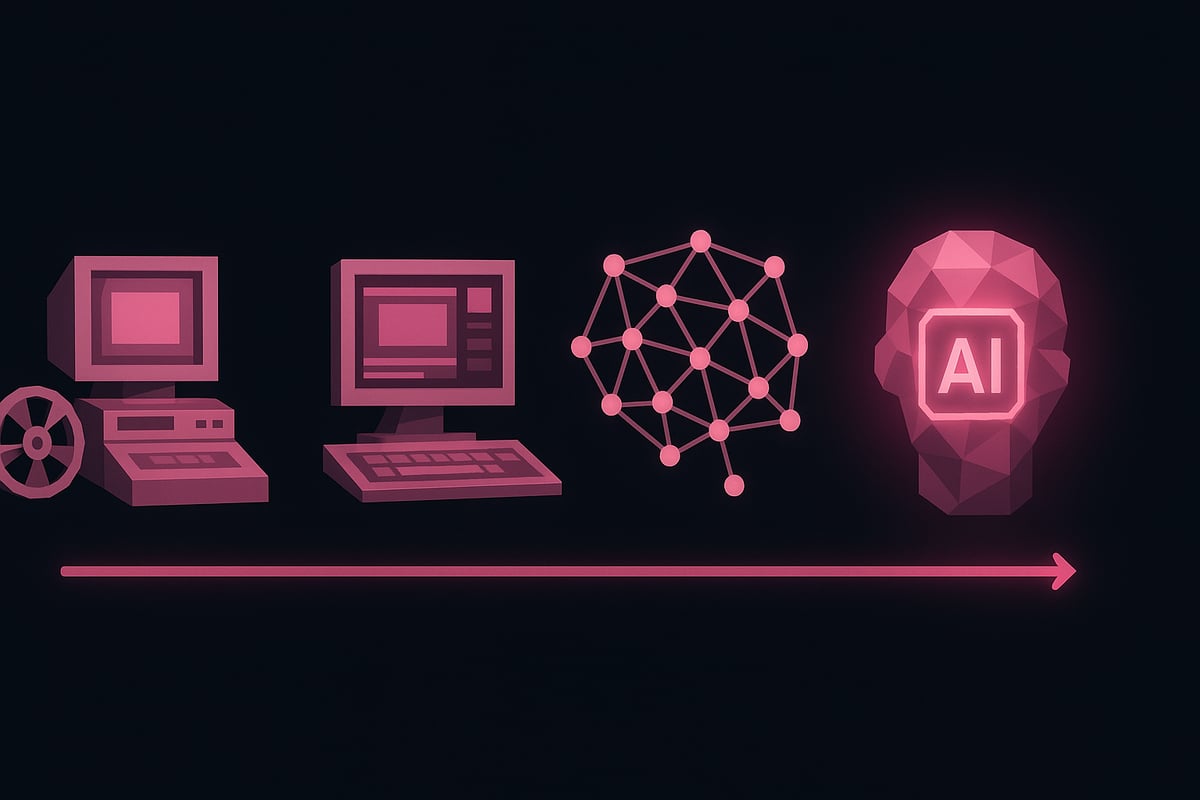
Traditional video production involved manual editing, complex software, and time-intensive workflows. Editors painstakingly stitched footage, adjusted audio, and added effects frame by frame. This process limited creativity due to technical barriers and lengthy turnaround times.
The shift to video creation using ai began with automation tools that streamlined simple tasks. From 2020 to 2026, breakthroughs like deep learning and generative AI sparked a revolution. Foundational models such as OpenAI’s Sora and Google’s Lumiere enabled rapid scene generation and smart editing.
These innovations have significantly reduced production time. More importantly, they democratized video creation using ai, empowering creators of all backgrounds to bring their ideas to life quickly and efficiently.
Core AI Technologies Powering Video Creation
Several core technologies drive the current wave of video creation using ai. Computer vision enables precise scene detection and object tracking, ensuring seamless transitions and dynamic visuals. Natural language processing (NLP) allows scripts to be transformed directly into video, bridging the gap between text and imagery.
Generative adversarial networks (GANs) create realistic backgrounds, characters, and effects. AI-driven audio analysis ensures perfect synchronization between visuals and sound. For a deeper dive into the tools enabling these advancements, see AI tools for video creation.
With these technologies, video creation using ai now includes the synthesis of entire environments and characters, making professional results more achievable for everyone.
Market Growth and Adoption Statistics
The market for video creation using ai is experiencing explosive growth. According to Allied Market Research, the global video AI market is projected to exceed $25 billion by 2026. HubSpot’s 2024 report found that 60% of marketers plan to increase their use of AI video tools.
Platforms like TikTok and YouTube have seen a surge in user-generated content produced with AI. Small businesses and independent creators are embracing video creation using ai to reduce costs and speed up production. One case study revealed that brands have slashed video production expenses by up to 70% thanks to AI-driven workflows.
| Statistic | Value |
|---|---|
| Projected Market Size (2026) | $25B+ |
| Marketers Increasing AI Usage | 60% |
| Cost Reduction for Brands | Up to 70% |
Challenges and Limitations of AI Video Tools
Despite rapid advances, video creation using ai faces notable challenges. Uncanny visuals and limited creative nuance can affect viewer engagement. Current AI tools sometimes struggle with storytelling depth and emotional expression, requiring human oversight for quality control.
Data privacy is another concern, as sensitive content may be processed by third-party platforms. The need for ethical guidelines and responsible use is growing as AI’s influence expands.
Ongoing improvements in video creation using ai continue to address these issues. However, successful content still depends on a balance between automation and human creativity.
The AI Video Creation Workflow: Step-by-Step Guide
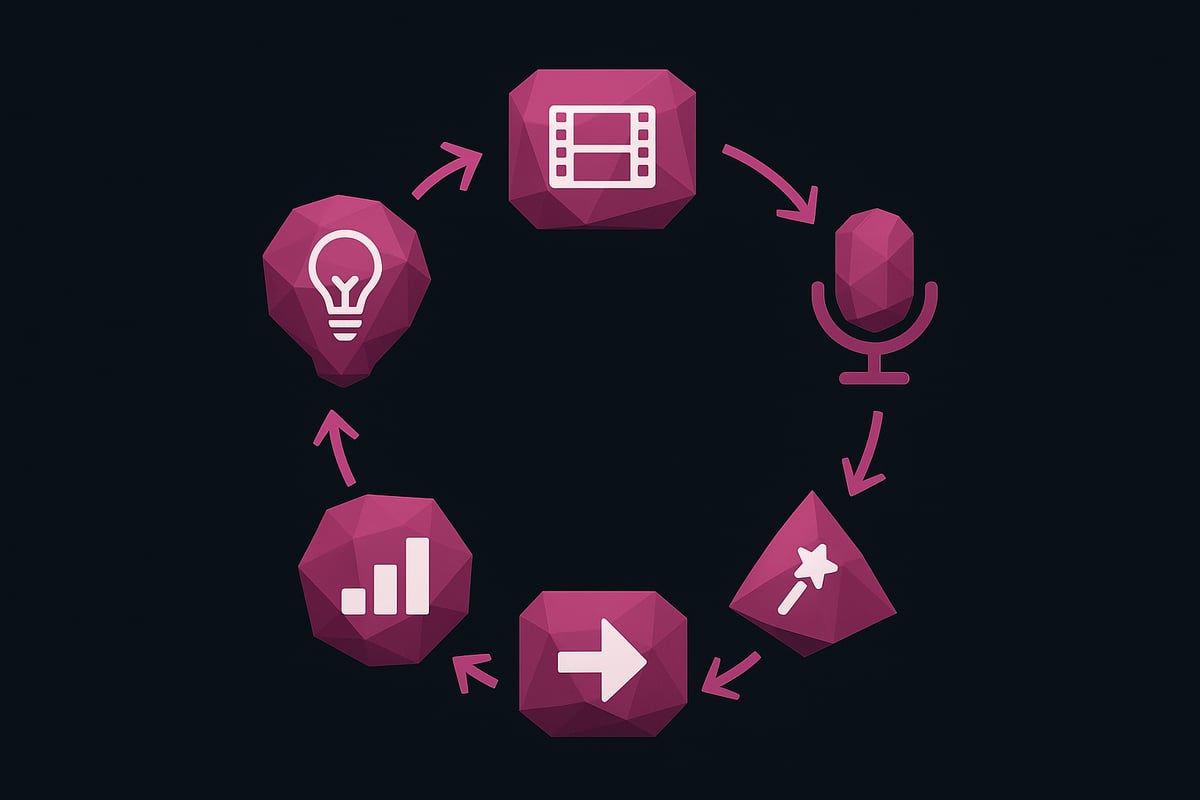
Unlocking the full potential of video creation using ai starts with a clear, streamlined workflow. By following each step, creators can harness the latest AI tools to turn ideas into engaging, professional videos. Whether you are a seasoned producer or a first-time user, this guide breaks down the process so you can create standout content with confidence.
Step 1: Ideation and Scripting with AI
The foundation of video creation using ai lies in the ideation and scripting phase. AI-powered brainstorming platforms help uncover unique concepts, generate story outlines, and even suggest engaging hooks. Modern script generators, such as those leveraging GPT-4 and beyond, craft narratives in multiple languages and styles.
For example, Jasper AI can develop entire scripts from a single prompt, saving hours in the planning stage. To get the most from AI-generated scripts, review and refine the content for tone and clarity. Remember, your creative voice should guide the machine, ensuring the result aligns with your vision.
Step 2: Visual Generation and Scene Design
Visual storytelling is at the heart of video creation using ai. AI-driven platforms like Runway and Pika Labs let users generate backgrounds, characters, and entire environments from text or images. These tools offer customizable visual styles, so you can match the look to your brand or project needs.
Creators can blend AI-generated visuals with existing stock assets for a unique touch. For concept art, Midjourney is a popular choice, delivering quick iterations and inspiration. This step empowers creators to visualize scenes without advanced design skills, speeding up the production process.
Step 3: Audio Integration and Voiceovers
Audio brings stories to life in video creation using ai. AI voice synthesis tools produce natural-sounding narration and character dialogue in multiple languages. Deep learning ensures precise audio-to-video synchronization, while platforms like AIVA and Suno automate music generation and sound design.
A standout example is ElevenLabs, which offers multilingual voiceovers with emotional nuance. To maintain audio quality, review the output for clarity and resonance. Even with AI, a human touch during final checks ensures the soundtrack complements the visuals and enhances viewer engagement.
Step 4: Editing, Effects, and Post-Production
Editing is streamlined in video creation using ai thanks to automated suites. These tools handle cuts, transitions, and effects based on scene detection and smart asset management. Real-time previews mean instant revisions, so creators can experiment and fine-tune their content.
Descript’s AI video editor is a prime example, offering intuitive controls and fast processing. While automation accelerates editing, manual adjustments remain vital for creative polish. Balancing AI efficiency with human oversight delivers professional, compelling videos.
Step 5: Exporting and Platform Optimization
The final output phase of video creation using ai focuses on preparing content for different platforms. AI-driven recommendations help choose the right format, length, and aspect ratio for TikTok, YouTube, Instagram, and emerging channels. Automated captioning, subtitles, and accessibility features expand your audience reach.
Kapwing’s AI export tools simplify this process, ensuring compliance with platform guidelines. Optimizing for each channel means your videos look and perform their best wherever they are shared. Customization at this stage can be the difference between average and viral content.
Step 6: Distribution and Performance Analytics
The journey of video creation using ai continues after publishing. AI-powered tools automate scheduling and cross-channel posting, saving time and maximizing reach. Real-time analytics provide insights into viewer engagement, helping creators fine-tune content for better results.
Audience segmentation and personalization are now accessible with AI, making it easier to deliver tailored experiences. TubeBuddy’s AI-powered analytics guide creators in iterating content for continuous improvement. For a hands-on walkthrough of this process, see this how to create a video with AI guide.
Top AI Video Creation Tools and Platforms for 2026
The landscape of video creation using ai has rapidly evolved, offering creators a rich ecosystem of tools for every need and budget. Whether you are producing business content, music videos, or interactive experiences, the right AI platform can dramatically accelerate production and enhance quality.
Comprehensive AI Video Generators
Leading platforms in video creation using ai include Runway, Pika Labs, and Synthesia. These solutions offer end-to-end capabilities such as text-to-video, avatar-based presentations, and real-time language translation.
Key features:
- Text and script input for rapid video generation
- AI avatars for business, education, and marketing
- Multi-language support and localization
For those seeking accessible options, there are Best free AI video generators available that cater to beginners and small teams.
Synthesia, for example, enables users to create training or explainer videos with customizable AI presenters. Pricing models range from free basic plans to premium enterprise subscriptions, making video creation using ai available to a wide audience.
Specialized AI Tools for Music Video Creation
Video creation using ai has transformed how music artists and agencies develop engaging visual content. Tools like Suno and Udio integrate audio analysis with advanced animation, offering features like automatic lip-sync and rhythm-based scene transitions.
These platforms excel in:
- Beat detection and visual effects that match music tempo
- Animated avatars or characters performing lyrics
- Seamless synchronization of video cuts with audio cues
Music influencers and digital agencies rely on these tools to produce high-impact music videos and promotional clips. The streamlined workflow makes video creation using ai both creative and efficient for music-centric projects.
1 More Shot: AI-Powered Music Video Generator
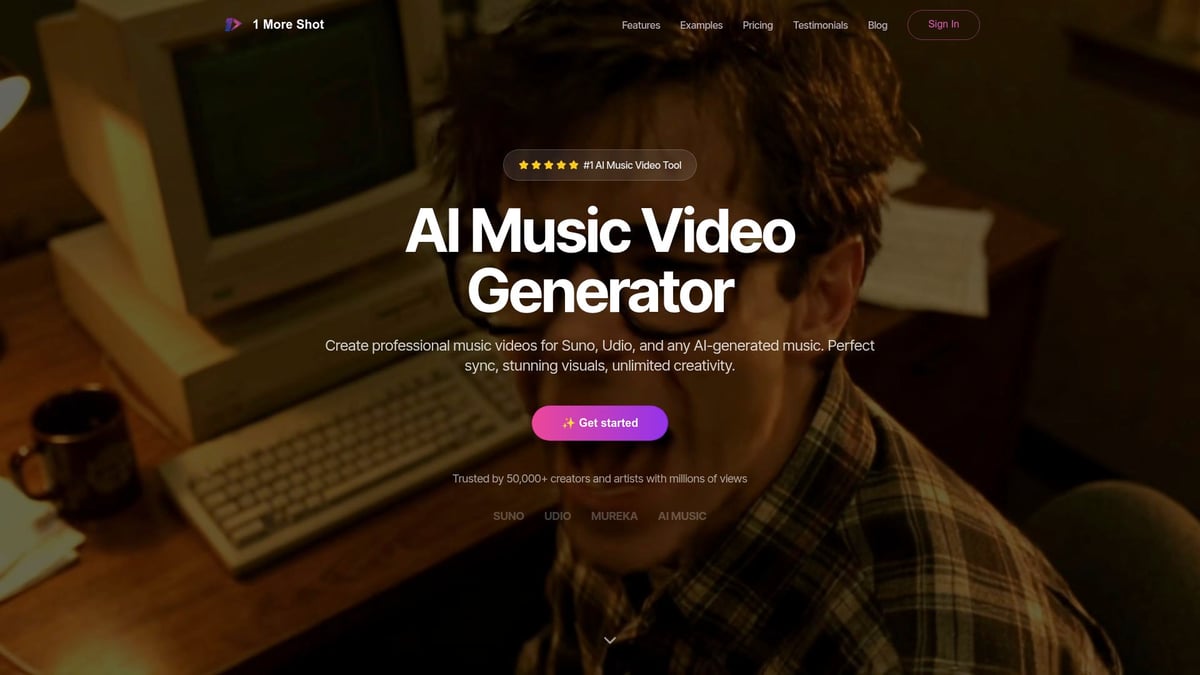
1 More Shot has redefined video creation using ai for musicians and creators. It allows instant production of professional music videos from any audio source, using advanced AI to deliver perfect lip-sync and beat alignment.
Notable features:
- Multiple export formats for various platforms
- User-friendly interface for quick edits
- Integration with leading AI music tools like Suno and Udio
With free and premium tiers on web, iOS, and Android, 1 More Shot supports over 50,000 creators globally. Its intuitive workflow makes video creation using ai accessible, especially for viral content on social platforms.
AI-Driven Editing and Enhancement Suites
Editing and post-production have become more efficient through video creation using ai. Platforms like Adobe Premiere Pro now feature Sensei AI for automated editing, color correction, and visual effects.
Benefits include:
- Smart asset libraries and template management
- Real-time previews and instant revision suggestions
- Support for both agencies and solo creators
AI-driven editors automate tedious tasks yet preserve creative control. This synergy between automation and human input is vital for high-quality video creation using ai.
Emerging Niche AI Video Tools
The next wave of video creation using ai is shaped by innovation in vertical video, 3D animation, and AR/VR content. Tools like Rephrase.ai enable personalized video ads, while others focus on real-time collaboration and interactive experiences.
Trends to watch:
- Personalized marketing videos for sales and outreach
- Real-time collaborative editing in the cloud
- AI-powered 3D and augmented reality video generation
As the technology matures, creators can expect even more specialized solutions, ensuring video creation using ai continues to empower diverse content strategies.
Real-World Applications and Success Stories
Across industries, video creation using ai is transforming how organizations and individuals produce impactful content. From dynamic marketing campaigns to accessible educational materials, AI-powered video tools are reshaping workflows and outcomes.
AI Video Creation in Marketing and Advertising
Brands are rapidly adopting video creation using ai to produce large volumes of tailored video ads with remarkable speed. Marketers can now generate personalized video content for different customer segments, optimizing campaigns across channels like social media, streaming, and connected TV.
According to the IAB report on AI in video advertising, nearly 90 percent of advertisers are integrating generative AI into their video ad strategies. Companies such as Coca-Cola have leveraged AI-driven video campaigns to boost engagement and improve return on investment. The ability to iterate quickly and test creative variations is giving brands a measurable competitive edge.
AI for Education and E-Learning Content
In the education sector, video creation using ai has become a game changer for both institutions and EdTech startups. Automated video tools allow educators to generate explainer videos, animated lessons, and interactive modules in multiple languages, making learning more engaging and accessible.
Synthesia and similar platforms help organizations localize e-learning content efficiently, reaching a wider audience while maintaining consistency. Data from EdSurge in 2025 shows that AI-powered video production can reduce content creation time by as much as 40 percent. This increased efficiency empowers teachers to focus on instruction and student engagement.
Social Media and Influencer Content Creation
The rise of short-form content on platforms like TikTok, Instagram Reels, and YouTube Shorts has been fueled by video creation using ai. Influencers and content creators use AI tools to generate trend-driven videos, automate editing, and even create meme-worthy clips that resonate with their audiences.
AI-driven platforms enable creators to rapidly test new formats, capitalize on viral trends, and maintain a consistent posting schedule. Many influencers attribute their rapid audience growth to the ability to produce high-quality, engaging videos quickly. This democratization of creativity is reshaping the social media landscape.
Music and Entertainment Industry Innovations
The music and entertainment industries are experiencing a revolution in video creation using ai. Musicians and artists now use AI-powered platforms to generate music videos, concert visuals, and lyric animations with minimal technical expertise.
Independent artists can create professional-grade videos that amplify their music’s reach and impact. Recent research from MIDiA shows that AI-driven workflows have doubled the output of music videos among independent creators. This surge in content allows artists to engage fans in new, interactive ways.
Small Business and Independent Creator Empowerment
For small businesses and solo entrepreneurs, video creation using ai levels the playing field with larger competitors. Affordable AI video tools enable startups to produce promotional videos, product demos, and social ads without hiring expensive production teams.
Local businesses have reported significant increases in sales and online engagement thanks to AI-generated video content. Community-driven campaigns and user-generated videos, powered by accessible AI platforms, are helping independent creators build authentic connections with their audiences and scale their brands effectively.
Best Practices, Tips, and Future Trends in AI Video Creation
The future of video creation using ai is rapidly evolving, offering creators more powerful and accessible tools than ever. To make the most of these innovations, it is essential to blend creativity, ethical awareness, and technical expertise. Explore the following best practices and emerging trends to stay ahead in this dynamic field.
Maximizing Creativity While Using AI
Creativity remains at the heart of video creation using ai. While automation streamlines workflows, human input is vital for originality. Use custom prompts and manual edits to guide AI outputs toward your unique vision.
Experiment with different AI tools to discover distinctive visual styles. Combine automated scene generation with hands-on adjustments for a personalized touch. Encourage brainstorming sessions where AI assists with ideation but does not replace human judgment. This balance is key to avoiding generic results and developing a recognizable visual brand.
Ethical Considerations and Responsible AI Use
As video creation using ai expands, ethical considerations become more prominent. Address potential issues like deepfakes, copyright infringement, and misinformation risks proactively. Always secure permissions and ensure transparency when using AI-generated content.
Follow industry guidelines for disclosure and consent, especially when generating realistic avatars or voices. Stay informed about emerging regulations to maintain compliance. By prioritizing ethical practices, you can build trust with your audience and contribute to a responsible creative ecosystem.
Improving Quality and Authenticity
Quality and authenticity are essential in video creation using ai. Enhance realism by refining AI-generated visuals and audio, and avoid the uncanny valley by fine-tuning models for your genre. Leverage user feedback to iteratively improve your content.
Explore open-source models such as Open-Sora: Open-source video generation model for greater control and customization. Combine AI automation with human oversight to ensure emotional resonance and narrative depth. This approach elevates the final product and keeps audiences engaged.
Staying Ahead: Skills and Learning for 2026
Success in video creation using ai depends on continuous learning and skill development. Focus on building AI literacy, prompt engineering, and creative strategy. Engage with online courses, certifications, and industry communities to stay updated with the latest advancements.
Develop hybrid skills that blend creative storytelling with technical know-how. The demand for professionals who understand both AI and video production will continue to grow. Staying curious and adaptable is your best asset in this fast-changing landscape.
Future Trends: What’s Next for AI Video Creation
Looking ahead, video creation using ai will see breakthroughs in real-time generation, multimodal integration, and interactivity. Expect more personalized, shoppable, and immersive video experiences. AI will increasingly act as a creative partner, not just a tool.
Stay informed by following resources like AI video creation trends 2025 to anticipate where the industry is heading. Embracing these trends early will help you deliver innovative content and maintain a competitive edge.
Overcoming Common Pitfalls and Challenges
Even with advanced tools, video creation using ai presents challenges. Common pitfalls include over-reliance on automation, loss of creative control, and inconsistent quality. To mitigate these, combine automated processes with manual review and creative direction.
Learn from case studies where human-AI collaboration improved outcomes. Set clear quality benchmarks and iterate based on feedback. Preparing for rapid technological shifts ensures your workflow remains resilient and effective.
Building a Sustainable AI Video Workflow
Establishing a sustainable workflow is crucial for long-term success in video creation using ai. Integrate AI tools smoothly with existing production pipelines to streamline processes and maintain consistency.
Manage your time and costs by automating repetitive tasks while reserving creative decisions for yourself. Monitor performance metrics to measure success and identify areas for improvement. As technology evolves, adapt your workflow to scale up production efficiently and sustainably.
After exploring how AI is transforming video creation and how platforms like 1 More Shot make professional music videos accessible to everyone, you’re probably ready to put these insights into practice. With intuitive tools and seamless integration of advanced AI features, you can bring your creative vision to life—no technical barriers, no steep learning curve. Whether you’re an artist, marketer, or entrepreneur, this is your moment to leverage cutting edge technology and stand out in a crowded digital world. Ready to take the next step and see what you can create?
Start Creating Now