Video With AI Guide: Your Creative Toolkit for 2026
Imagine producing studio-level videos in a fraction of the time, all thanks to the power of video with ai. Whether you are a creator, marketer, or business leader, this guide unlocks the secrets behind today’s most advanced AI video tools.
You will discover how artificial intelligence streamlines every step, from editing and automation to creative storytelling. We will walk you through the latest advancements, must-have features, a practical workflow, and the top platforms to watch in 2026.
Ready to elevate your content? Let’s explore how video with ai can transform your creative process and drive measurable results.
The Evolution of AI in Video Creation
Imagine a time when editing a video required hours of manual effort, technical expertise, and significant budgets. The journey to today’s advanced video with ai solutions has been shaped by a series of rapid innovations and shifting creative possibilities.
The Early Days: Manual Editing to Automation
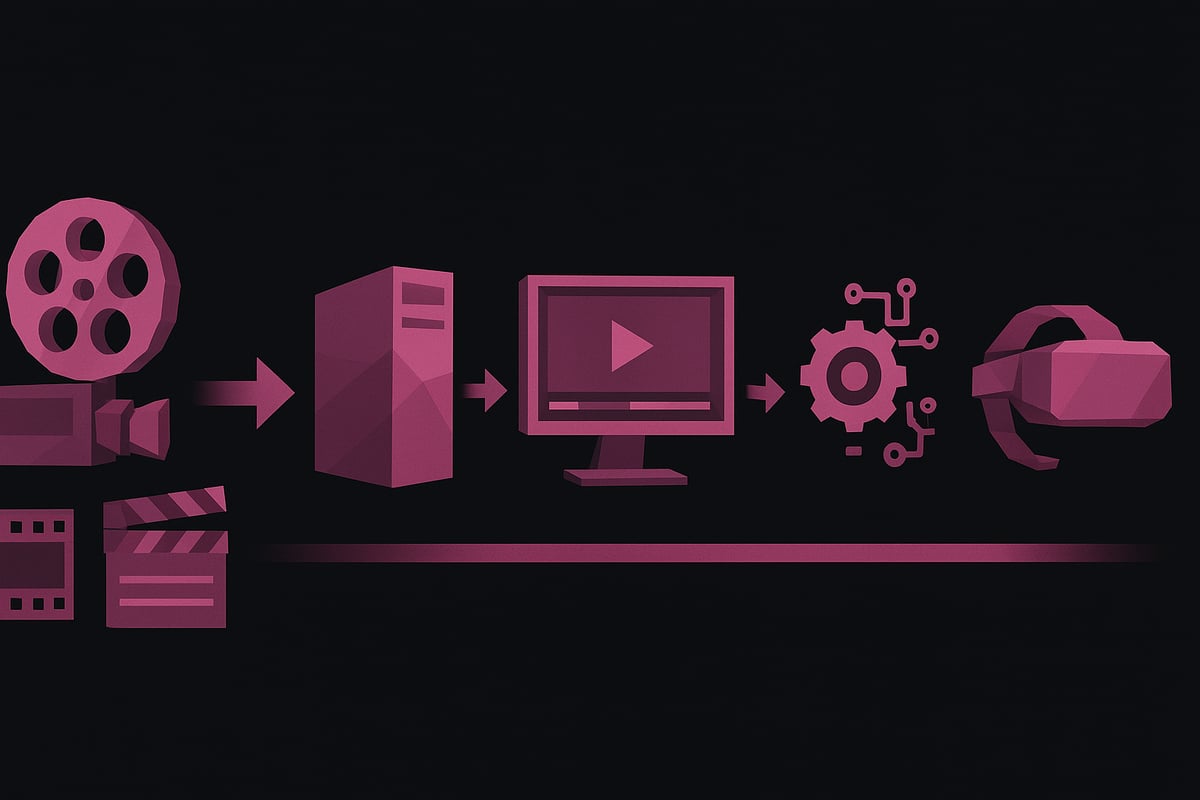
In the early days, video production was a manual and time-consuming process. Editors faced steep learning curves, expensive software, and lengthy rendering times.
The first wave of video with ai innovations tackled these pain points. Tools began offering automated cuts, stabilization, and color correction. For example, Adobe’s Sensei introduced features that handled routine edits, dramatically speeding up workflows.
According to a 2024 HubSpot study, 72% of marketers reported significant time savings after implementing AI-powered editing tools. This marked a pivotal shift, making high-quality video production more accessible.
Breakthroughs in AI Video Generation
The next leap forward arrived with generative AI. Text-to-video and image-to-video technologies emerged, fueled by advances in deep learning and neural networks.
These developments made it possible to create video with ai that looked realistic and compelling, even from simple prompts. In 2025, viral campaigns featuring AI-generated trailers and explainer videos showcased the creative power of these tools.
Deep learning models enabled higher resolution, better motion consistency, and more lifelike visuals, pushing the boundaries of what creators could achieve.
Democratization and Accessibility
As technology progressed, video with ai platforms became both affordable and easy to use. No-code and low-code solutions eliminated the technical barriers that once restricted video creation to professionals.
Small businesses and individual creators embraced these tools. Gartner reported that by 2026, 65% of small businesses plan to increase their use of AI video solutions. This democratization allowed anyone with a vision to produce professional-quality videos, regardless of technical background.
Platforms now offer intuitive interfaces, pre-built templates, and drag-and-drop functionality, making creativity truly accessible.
Ethical and Creative Implications
The rise of video with ai brought new ethical considerations. Deepfakes, authenticity, and copyright issues became central concerns as AI-generated content proliferated.
Despite these challenges, AI also unlocked new modes of storytelling. Artists began experimenting with AI-generated music videos, crafting unique visual styles that resonated with global audiences. These innovations sparked cultural conversations about the role of technology in creativity.
Balancing authenticity and innovation remains a critical priority for creators and platforms alike.
The Road to 2026: What’s Next?
Looking ahead, video with ai is set to become even more transformative. Predictions include real-time generative video, hyper-personalized content, and immersive AR/VR experiences.
The convergence of AI with blockchain and IoT will further enhance creative workflows. As highlighted in AI Video Creation Trends, these advancements will position AI as a central force in video production, not just a supporting tool.
For creators, staying ahead of these trends will be essential for maximizing impact and efficiency.
Building Your AI Video Toolkit: Essential Features & Capabilities
Unlocking the full potential of video with ai means understanding which features matter most. The right toolkit streamlines production, increases creative control, and ensures your content excels across platforms. Let’s explore the essential capabilities that define the future of video creation.
Intelligent Editing and Automation
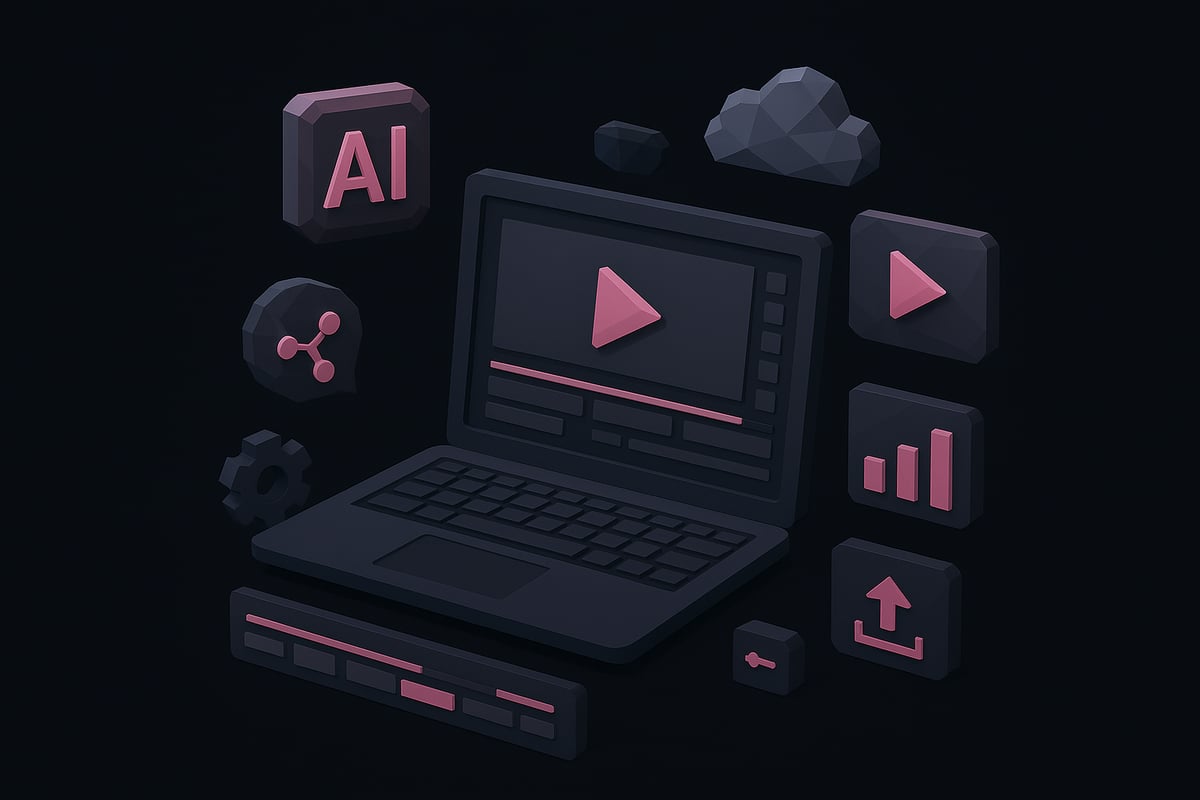
Modern video with ai tools transform editing from a time-consuming process into a streamlined experience. Automation features like auto-editing, scene detection, and smart transitions allow creators to focus on storytelling rather than manual tasks.
Batch processing and rapid rendering are now standard, especially for teams managing large projects or campaigns. Many platforms can cut editing time by up to 70% for social media content, ensuring fast turnaround and consistent quality.
Leading solutions offer intuitive interfaces and customizable workflows. To compare top platforms and find the right fit for your needs, check out this Best AI Video Tools 2024 guide. Choosing the right video with ai toolkit starts with automation that empowers speed and accuracy.
Generative AI: Text, Image, and Audio to Video
Generative AI is revolutionizing video with ai by turning scripts, images, and audio into dynamic visuals. Text-to-video synthesis lets you create engaging content directly from written briefs, reducing the gap between concept and execution.
Prompt-based video generation uses simple commands or images to produce professional-grade videos, ideal for marketing teams or solo creators. AI-driven audio tools can generate custom soundtracks and voiceovers, adding polish without extra effort.
With these capabilities, marketing teams can swiftly produce product demos or explainer videos. Video with ai generative tools make visual storytelling accessible to everyone, regardless of technical skill.
Advanced Customization and Control
Customization is at the heart of effective video with ai. Advanced platforms offer frame-level editing, style transfer, and AI-powered visual effects, ensuring every project reflects your unique vision.
Personalization features use audience data to recommend visual styles, pacing, and even music. Some platforms can auto-generate branded templates for each new video, maintaining consistency across campaigns.
A quick comparison:
| Feature | Benefit |
|---|---|
| Frame-level editing | Precise creative adjustments |
| Style transfer | Unique visual branding |
| AI visual effects | Enhanced engagement |
Leveraging these tools, creators use video with ai to deliver tailored, memorable experiences.
Collaboration and Workflow Integration
For teams, seamless collaboration is vital when producing video with ai. Cloud-based platforms allow real-time editing, feedback, and version control, making remote teamwork efficient and organized.
Integration with project management and digital asset management (DAM) systems ensures assets are accessible and workflows are transparent. According to Wistia, 58% of video teams consider AI collaboration tools critical for remote work.
By choosing video with ai platforms that support integrated collaboration, teams streamline production, reduce errors, and accelerate delivery.
Multi-Platform Optimization
A key advantage of video with ai is effortless optimization for every platform. AI-driven formatting tools automatically adjust aspect ratios, lengths, and resolutions for TikTok, YouTube, Instagram, and more.
Intelligent thumbnail, caption, and metadata generation ensures your content stands out and reaches wider audiences. Campaigns using video with ai for platform-specific optimization often see up to three times the reach compared to non-optimized edits.
These features guarantee your videos look and perform their best, no matter where they are published.
Ethical Safeguards and Content Authenticity
As video with ai becomes ubiquitous, trust and transparency are paramount. Built-in watermarking, copyright checks, and ethical AI guidelines help protect both creators and audiences.
Transparency features make it easy to distinguish AI-generated content, while compliance tools ensure adherence to evolving regulations. Ethical safeguards are not just best practice, they are essential as video with ai grows in influence.
Choosing platforms that prioritize authenticity builds audience trust and future-proofs your creative efforts.
Step-by-Step Guide: Creating Videos With AI in 2026
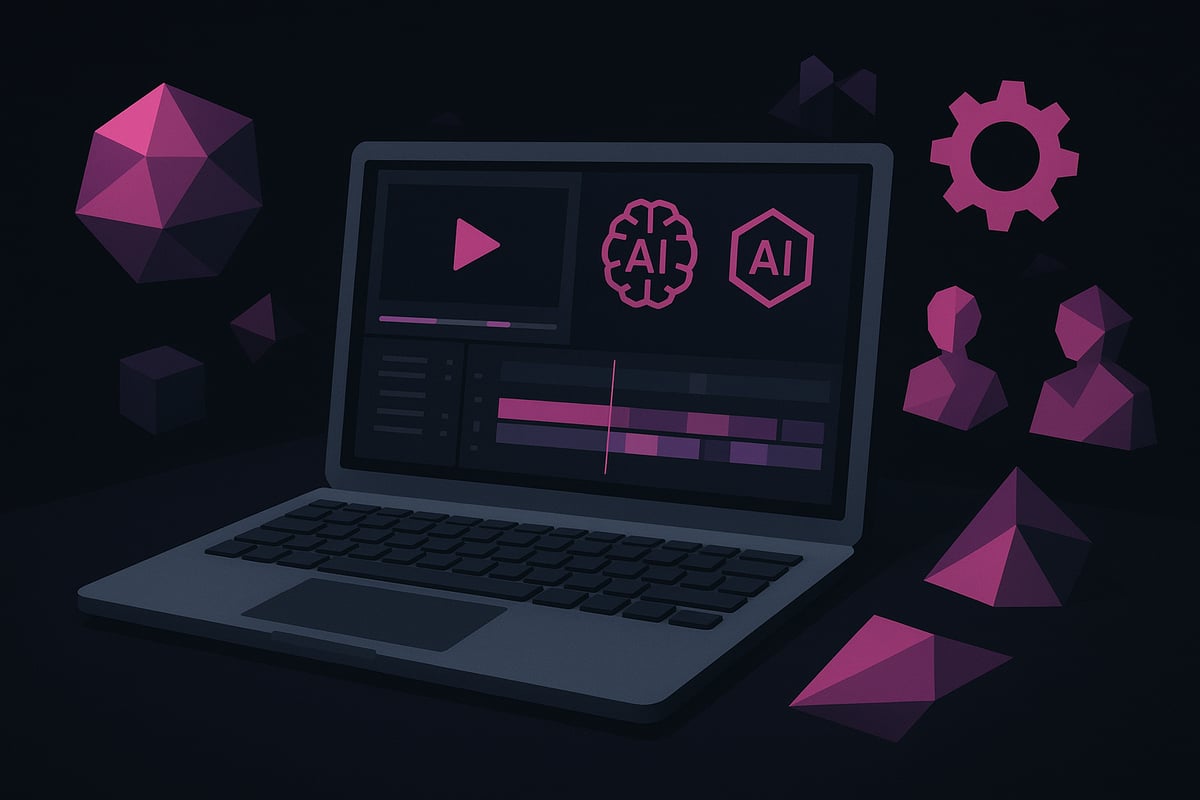
Unlocking the full potential of video with ai requires a systematic approach. In 2026, creators, marketers, and businesses can follow a streamlined process that leverages AI-powered tools at every stage. Here is a practical, step-by-step guide to help you produce compelling video with ai, regardless of your skill level.
Step 1: Define Your Video Goals and Audience
Before you begin your video with ai journey, clarify the primary objective of your content. Are you aiming to educate, market a product, or entertain? Pinpointing your goal will shape every decision throughout your workflow.
Next, use AI-powered analytics to gain insights into your target audience. These tools can segment viewers based on behavior, preferences, and demographics. For example, many platforms offer AI persona generators that help you craft messaging for specific audience groups.
Take a moment to outline your desired outcomes and audience characteristics. This foundational step ensures that your video with ai will be relevant and impactful.
Step 2: Script and Storyboard With AI Assistance
With your objectives set, move to scripting and storyboarding. AI writing assistants can generate scripts from simple prompts or outlines, speeding up ideation and ensuring your message is clear.
Collaborative AI tools allow teams to brainstorm visually, automatically suggesting story structures or visual sequences. These innovations make it easier to plan engaging narratives, even for those new to video with ai.
According to Animoto, 60% of creators now use AI for scriptwriting and ideation, underscoring the efficiency and creativity boost these tools provide.
Step 3: Generate Visuals and Audio With AI Tools
Now, bring your script to life by generating visuals and audio. Modern platforms allow you to upload assets, use prompt-based generators, or even convert text directly into video clips. AI can also synthesize music, voiceovers, and sound effects, matching the tone and pacing of your project.
For a detailed walkthrough on this process, explore this How to Create AI Videos guide, which covers step-by-step workflows for producing video with ai from scratch.
This phase empowers you to create diverse content, from explainer animations to dynamic music videos, all with minimal technical expertise.
Step 4: Edit, Customize, and Enhance
Editing is where your video with ai becomes polished and professional. Intelligent editing features like auto-cutting, scene detection, and style transfer streamline the process. With AI-driven effects and real-time previews, you can iterate quickly and make creative decisions with confidence.
Many platforms now offer frame-level editing and customizable templates. These options allow you to maintain brand consistency while experimenting with new visual styles.
Data from Capterra shows that AI-powered editing can reduce production time by 50%, helping you deliver results faster.
Step 5: Optimize for Distribution
Once your video with ai is ready, optimize it for each distribution platform. AI tools can recommend the best formats, generate SEO-friendly captions, and automatically create thumbnails and metadata tailored for TikTok, YouTube, Instagram, and more.
This optimization ensures your content reaches the right audience and performs well across channels. AI-driven recommendations can significantly increase your campaign’s reach and engagement.
Consider using automated scheduling and publishing features to streamline your workflow even further.
Step 6: Review, Test, and Iterate
Before publishing, use AI analytics to review your video with ai’s performance potential. These analytics tools provide insights into engagement rates, viewer retention, and other key metrics.
A/B testing different versions can help you identify what resonates best with your audience. AI-driven feedback loops enable continuous improvement, allowing you to refine your content based on real-world data.
This step is crucial for maximizing impact and ensuring your message lands effectively.
Step 7: Publish and Monitor
Finally, publish your video with ai using integrated tools that handle scheduling, platform-specific requirements, and real-time monitoring. AI-powered dashboards can alert you to performance trends, enabling you to make adaptive tweaks as needed.
Brands that monitor and update their content post-launch often see a 40% boost in video engagement, thanks to AI’s ability to identify and respond to audience behavior quickly.
By following these steps, you position yourself to produce efficient, high-quality video with ai that stands out in a competitive digital landscape.
Top AI Video Tools & Platforms for 2026
The landscape of video with ai is evolving rapidly, offering creators, marketers, and businesses a robust set of tools to streamline production and unlock new creative possibilities. In this section, we spotlight the most impactful AI-powered platforms shaping the future of video creation in 2026.
Comprehensive AI Video Editors
All-in-one AI video editors have become the backbone for anyone working on video with ai. These platforms combine intelligent editing, automation, and multi-format export to make production faster and more accessible. Leading solutions now offer drag-and-drop interfaces, real-time collaboration, and template libraries.
Key features:
- Automated scene detection and smart transitions
- Batch processing for large projects
- Seamless integration with cloud storage
For a detailed breakdown of the best platforms available, check out this comprehensive comparison of AI video generators in 2026 to find the right fit for your workflow.
Generative Video Engines
Generative engines are redefining video with ai by enabling text-to-video, image-to-video, and prompt-based creation. These engines use deep learning to synthesize visuals, voice, and music from simple inputs. Microsoft’s integration of OpenAI’s Sora 2 into 365 Copilot signals a major leap in accessibility for businesses and creators alike.
Use cases include:
- Creating ad creatives directly from marketing briefs
- Producing personalized social clips at scale
- Generating explainer videos with minimal manual input
With these capabilities, teams can transform ideas into finished content rapidly.
Specialized Solutions: Animation, Voice, and Effects
Specialized AI tools focus on adding flair and polish to video with ai. Animation generators produce motion graphics for product launches and tutorials, while AI-driven voiceover and music tools streamline audio production. These solutions help creators craft engaging stories that stand out.
Examples of features:
- Automated lip-sync for animated characters
- Real-time background music generation
- Dynamic visual effects with minimal setup
These tools empower teams to create professional videos without the need for extensive technical expertise.
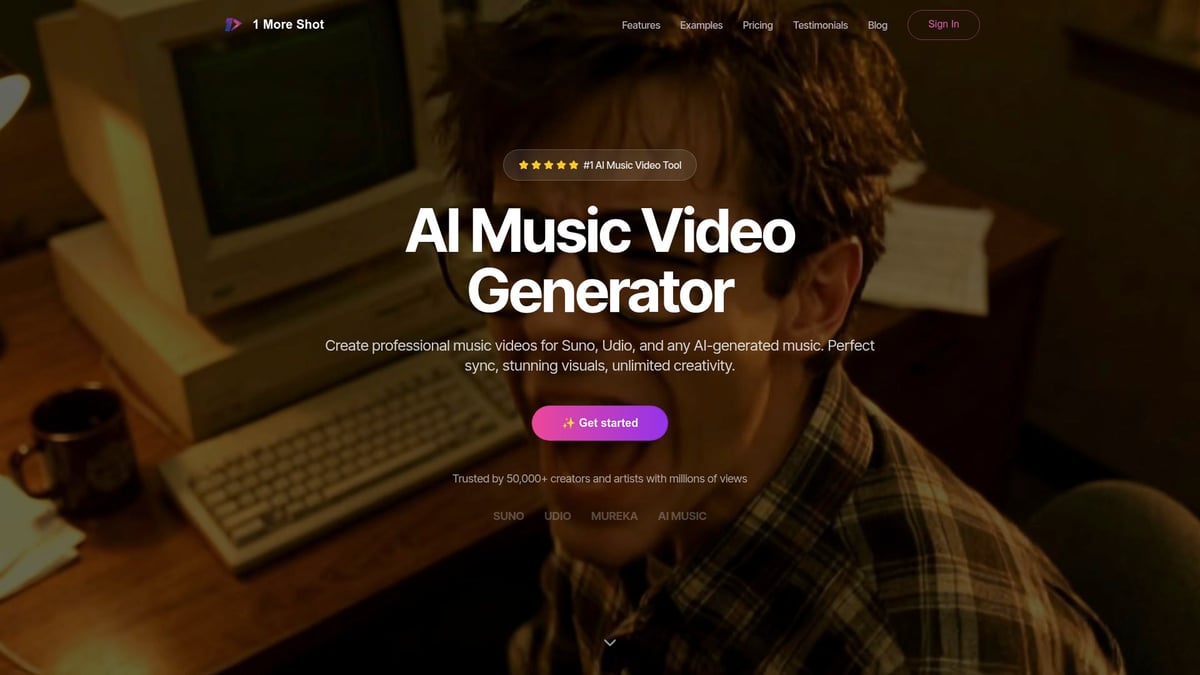
1 More Shot: AI Music Video Generator
When it comes to music-driven video with ai, 1 More Shot stands out for its rapid, high-quality music video generation. This platform enables musicians, producers, and creators to produce professional-grade videos in minutes, complete with advanced lip-sync, multi-format exports, and no watermarks.
Key benefits:
- Fast turnaround for trending content
- Customizable templates for different genres
- Designed for TikTok, YouTube, and other social platforms
Artists and influencers are leveraging 1 More Shot to boost engagement and scale their creative output efficiently.
Collaboration and Workflow Platforms
Collaboration and workflow tools are essential for scaling video with ai projects across teams. Modern platforms offer cloud-based project management, integrated analytics, and direct publishing to social channels. These features ensure seamless coordination from ideation to distribution.
Benefits include:
- Real-time feedback and version control
- Centralized asset management
- Analytics-driven content optimization
With these platforms, teams can streamline their video production and respond quickly to market trends.
Expert Tips for Maximizing Creativity With AI Video
Maximizing creativity with video with ai requires a thoughtful blend of technology, process, and mindset. These expert tips will help you unlock the full potential of your AI video toolkit, stay ahead of trends, and drive engagement while protecting your creative vision.
Embrace Experimentation and Iteration
Creativity thrives on iteration, especially when working with video with ai. Generative AI enables rapid prototyping, allowing creators to quickly test new visual styles, transitions, and formats. This cycle of experimentation helps identify what resonates with your target audience.
- Use AI-powered tools to generate multiple video drafts in minutes.
- Try different prompts, visual effects, or music tracks for each version.
- Analyze engagement data to refine your creative direction.
For practical inspiration, check out Using AI to Create Videos, which covers real-world workflows for AI-driven video production.
Balance Automation and Human Creativity
Striking the right balance between automation and personal touch is crucial in video with ai workflows. AI excels at handling repetitive editing, formatting, and optimization, but human oversight ensures authenticity and brand consistency.
- Let AI handle time-consuming tasks like scene detection and captioning.
- Reserve key creative decisions—storytelling, pacing, emotional tone—for your team.
- Use feedback loops to maintain your brand’s unique voice.
According to recent research, 41% of brands are now using AI for video creation, demonstrating the growing importance of merging technology with creative judgment.
Stay Updated on AI Trends and Ethics
The landscape of video with ai is evolving rapidly, with new tools and ethical considerations emerging each year. Staying informed about the latest advancements and best practices is vital for responsible and innovative production.
- Monitor news on AI video models, such as Microsoft integrates OpenAI’s Sora 2 into 365 Copilot.
- Follow regulatory updates and ethical guidelines for AI-generated content.
- Participate in industry forums to exchange insights and stay ahead of trends.
By keeping ethics and transparency top of mind, you can build trust with your audience as you innovate.
Optimize for Engagement and Reach
One of the greatest strengths of video with ai is the ability to personalize and optimize content for maximum reach. AI analytics reveal which styles, formats, or messages perform best across different platforms and demographics.
- Use AI-driven analytics to identify top-performing video segments.
- Automatically generate platform-specific thumbnails and captions.
- Conduct A/B testing on video versions to refine strategy.
A simple table can help track and compare key engagement metrics:
| Metric | AI-Optimized Video | Standard Video |
|---|---|---|
| Watch Time | High | Moderate |
| Engagement | 2x | 1x |
| Conversion | Improved | Baseline |
Build a Future-Ready Skill Set
To fully leverage video with ai, invest in developing new skills that align with evolving tools and creative processes. Upskilling in areas like prompt engineering, AI editing, and data-driven storytelling will keep you competitive.
- Take online courses in AI video production and creative direction.
- Join AI creator communities to exchange tips and resources.
- Stay curious and open to learning as the field evolves.
As more brands adopt AI-driven workflows, your expertise will become a valuable asset.
Collaborate Across Disciplines
Success with video with ai often depends on effective collaboration among marketers, designers, technologists, and content strategists. Cross-functional teams can maximize efficiency and generate innovative ideas by combining their strengths.
- Use cloud-based platforms for real-time teamwork.
- Integrate project management and analytics for seamless workflow.
- Hold regular creative sprints to brainstorm and iterate together.
By fostering a culture of collaboration, you’ll unlock the full creative power of your AI video toolkit.
As we look ahead to 2026, it is clear that harnessing AI for video creation is more accessible and empowering than ever. With platforms like 1 More Shot, you do not need to be an expert to craft professional music videos and bring your creative vision to life in minutes. Whether you are a musician, marketer, or content creator, now is the perfect time to put these advanced tools into practice and elevate your video projects. Ready to turn inspiration into high quality results with AI at your fingertips?
Start Creating Now