How to Create AI Music Videos for Metal
How to Create AI Music Videos for Metal
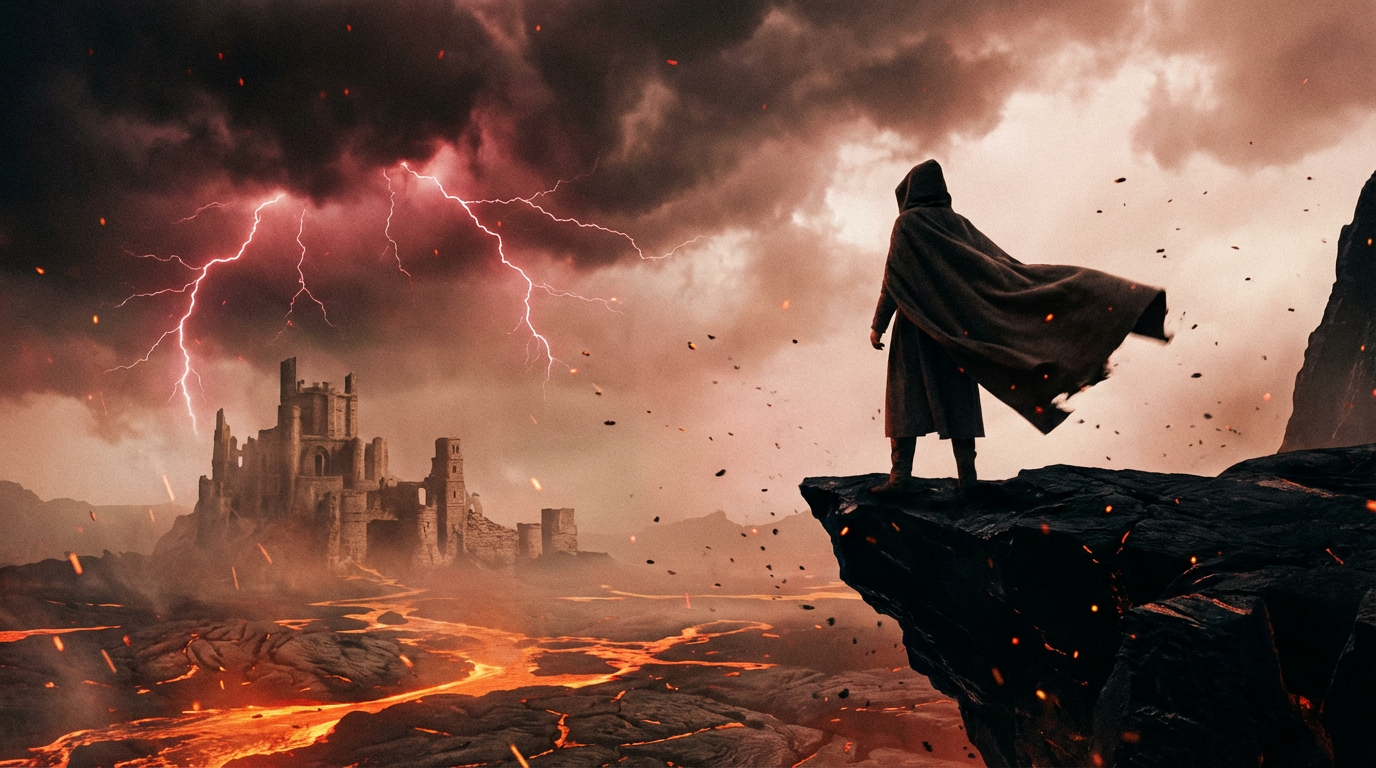
Metal has always been a genre that demands more than sound alone. From Iron Maiden’s iconic “Eddie” mascot to Slipknot’s masks to the corpse paint of black metal, this is a genre where visuals are doctrine — not decoration. And now, AI video generation is giving metal artists a new weapon in their arsenal.
AI metal has become a groundbreaking musical movement that merges the power of artificial intelligence with the intensity of heavy metal music. As of 2026, this genre has evolved from experimental compositions into a dynamic subculture, reshaping how metal is written, produced, and performed. The same revolution is happening with visuals. The metal music scene has always thrived on visually striking and thematically intense music videos. However, producing these videos traditionally requires significant budgets, time, and resources. Enter AI video generation — a game-changer for independent and established metal artists alike.
Consider this: the Japanese “kawaii metal” AI project NEON ONI has steadily gained popularity on Spotify, boasting over 79K monthly listeners — and its music, visuals, merchandise, and stories were all shaped by a community. Eventually, fans could buy tickets to actually see NEON ONI perform in person, with seven real artists being hired to bring the project from the digital world to the real one. Meanwhile, AI project Bleeding Verse frequently appears in discussions among heavy music fans, with compositions in the style of metalcore and heavy rock — its AI-generated visuals and rapid release cadence making it a notable phenomenon in the music community.
The message is clear: metal AI music videos aren’t a gimmick. They’re a legitimate creative frontier. This guide will show you exactly how to create one.
For a broader overview of AI music videos across all genres, check out our Complete Guide to AI Music Videos in 2026.
Metal Visual Aesthetics: The Language of Darkness
Before you touch a single AI tool, you need to understand the visual DNA of metal. Every subgenre carries its own aesthetic code — and getting this right is the difference between a video that resonates with metalheads and one that falls flat.
Metal cover artwork began making a distinct mark in the 1970s. Bands like Black Sabbath and Iron Maiden helped shape the now-iconic visual themes of darkness, fantasy, and rebellion. Derek Riggs, the artist behind Iron Maiden’s famous “Eddie” mascot, revolutionized the relationship between music and art. These visuals were more than decoration — they were narrative extensions of the metal music itself.
Subgenre Visual Codes
Each subgenre of metal has its own visual code:
- Black Metal: Grainy, monochrome images; forests; corpse paint; gothic fonts.
- Death Metal: Gore, anatomical sketches, and hellscapes.
- Power Metal: High fantasy, vivid color palettes, mythical settings.
- Doom Metal: Minimalist, vintage, and analog-inspired art.
Heavy Metal / Traditional Metal: Leather, chrome, motorcycles, skulls, dark cityscapes, and high-contrast lighting. Think Judas Priest album covers — clean, bold, iconic.
Thrash Metal: The cover of Slayer’s Reign in Blood, designed by the late Larry Carroll, is a chaotic and disturbing masterpiece that reflects the sonic intensity of the album. The artwork depicts a hellish montage of grotesque, distorted figures, religious iconography, and surrealist horror. Thrash visuals are fast, chaotic, and politically charged.
Metalcore: Blending hardcore punk aesthetics with metal grandeur — urban decay, emotional intensity, high-contrast color grading, and rapid-cut editing. Metalcore bands such as Killswitch Engage and Avenged Sevenfold incorporated elements of streetwear, including hoodies and sneakers, while maintaining traditional metal motifs like spikes and chains.
Nu-Metal: Album art, music videos, and live performances leaned heavily into dark, gritty, and surreal imagery — think dystopian urban decay, horror-movie motifs, anime-inspired graphics, and raw, handheld camerawork.
Core Visual Principles for Metal AI Music Videos
When creating a metal AI music video, keep these visual tenets in mind:
-
Color palette: Blacks, deep reds, cold blues, desaturated grays, molten oranges. Avoid bright pastels.
-
Lighting: High contrast. Chiaroscuro. Flickering firelight. Strobes. Backlit silhouettes.
-
Motion: Aggressive camera movement for thrash and death metal. Slow, crushing pans for doom and sludge. Rapid cuts for metalcore.
-
Imagery: Album artwork in metal is frequently characterized by dark and intricate designs. These images may depict mythical creatures, apocalyptic landscapes, or symbolic representations of death and decay.
-
Mood: Confrontational, epic, haunting, or cathartic — never passive.
Best AI Tools for Metal Videos
The AI video landscape has matured considerably, and several tools handle metal’s dark, intense aesthetics particularly well. Here’s what to consider.
OneMoreShot.ai — Purpose-Built for Musicians
OneMoreShot.ai is designed specifically for musicians who want to create professional-quality music videos without hiring a production team. What makes it ideal for metal:
- Audio-reactive visuals that sync to your track’s intensity — critical for matching breakdowns, blast beats, and guitar solos
- Genre-aware style controls that let you dial in the exact darkness, chaos, or grandeur your subgenre demands
- Full-length video generation — not just 15-second clips, but complete music videos ready for YouTube
- Custom visual style direction allowing you to specify everything from color palettes to camera movement to thematic imagery
For a step-by-step walkthrough of the platform, see our guide on How to Make an AI Music Video.
How Other Tools Compare
AI video tools use machine learning to generate or edit video content based on prompts, images, or audio. Popular tools include Runway, Kaiber, Pika, Sora, and Genmo. Each has strengths, but most general-purpose AI video generators weren’t built with music in mind. You often end up with visuals that drift from the track’s energy or struggle with the sustained intensity metal requires.
Most underground metal bands don’t have a $10K budget for a music video. AI can help by keeping the process raw, fast, and true to the spirit of underground metal — without needing a record label.
OneMoreShot.ai bridges this gap by understanding that a metal music video isn’t just a video with metal playing over it — it’s a synchronized experience where visual aggression mirrors sonic aggression beat for beat.
Step-by-Step: Creating a Metal AI Music Video
Here’s the practical walkthrough for creating your metal AI music video with OneMoreShot.ai.
Step 1: Upload Your Track
Start by uploading your finished metal track. The AI analyzes your audio waveform — identifying tempo changes, breakdowns, guitar solos, vocal entries, and dynamic shifts. This analysis becomes the backbone of your video’s visual pacing.
Pro tip for metal: Make sure your master has clear dynamic range. If your track is a brick-walled slab of compression (as many modern metal mixes are), the AI may have a harder time distinguishing sections. A mix with clear transitions between verses, choruses, and breakdowns will produce more dynamic visuals.
Step 2: Define Your Visual Direction
This is where genre knowledge becomes your superpower. Describe the visual world you want your video to inhabit. Be specific about:
- Setting/environment: Volcanic wasteland? Frozen Nordic forest? Decaying cathedral? Cyberpunk cityscape?
- Color palette: “Desaturated cold blues and blacks with accents of blood red” is far more effective than “dark.”
- Camera behavior: “Slow, grinding dolly shots during verses; violent, disorienting handheld during choruses.”
- Recurring motifs: Skulls, fire, ravens, chains, ancient runes, mechanical gears — whatever serves your narrative.
- Mood/atmosphere: Dread, fury, sorrow, cosmic awe, nihilistic detachment.
Step 3: Map Visual Intensity to Song Structure
Metal is a genre of extremes — quiet-to-loud dynamics, build-and-release tension, abrupt tempo shifts. Your video should mirror this. In OneMoreShot.ai, you can define visual “moods” for different song sections:
- Intro: Slow establishing shots. Fog. Distant landscapes. Building tension.
- Verse: Medium intensity. Character or environmental focus. Controlled camera movement.
- Pre-chorus: Rising energy. Faster cuts. Increasing visual saturation or motion blur.
- Chorus: Full visual assault. Maximum color intensity, aggressive camera, prominent motifs.
- Breakdown/Bridge: This is your video’s showstopper. Drop to near-darkness, then erupt. Use contrast to maximum effect.
- Solo: Surreal, abstract visuals. Morphing shapes. Let the AI dream here.
- Outro: Gradual de-escalation or sudden blackout, depending on your track.
Step 4: Generate, Review, and Iterate
Generate your first pass and watch it with a critical eye. Ask:
- Do the visual peaks match the sonic peaks?
- Does the color palette feel authentic to your subgenre?
- Are there any jarring AI artifacts that break immersion?
- Does the pacing feel metal — or could it be a video for any genre?
Iterate. Refine your prompts. Adjust timing. AI can generate epic visuals — but the heart of the video still comes from your music, your story, your input. If the music is real and the visuals are driven by your artistic vision, then it can still feel metal as hell.
Step 5: Export and Prepare for Distribution
Export your video at the highest quality available. For YouTube, you’ll want 1080p or 4K at 16:9. For social media clips (TikTok, Instagram Reels, YouTube Shorts), export vertical 9:16 cuts of your most visually striking moments. Metal content has found a surprisingly strong audience on TikTok, Instagram Reels, and YouTube Shorts, where high-energy clips cut through the noise fast.
Prompt Examples for Metal AI Music Videos
Here are genre-specific, copy-paste-ready prompts you can use or adapt in OneMoreShot.ai. Each is tailored to a specific metal subgenre.
1. Classic Heavy Metal
“Epic wide-angle shots of a lone warrior standing atop a mountain fortress at dusk, chrome armor reflecting dying sunlight, a massive sword planted in stone, thunderclouds rolling in behind, eagles circling overhead. Color palette: deep golds, steely grays, rich blues. Camera: slow cinematic push-in. Mood: triumphant, mythic, powerful.”
2. Death Metal
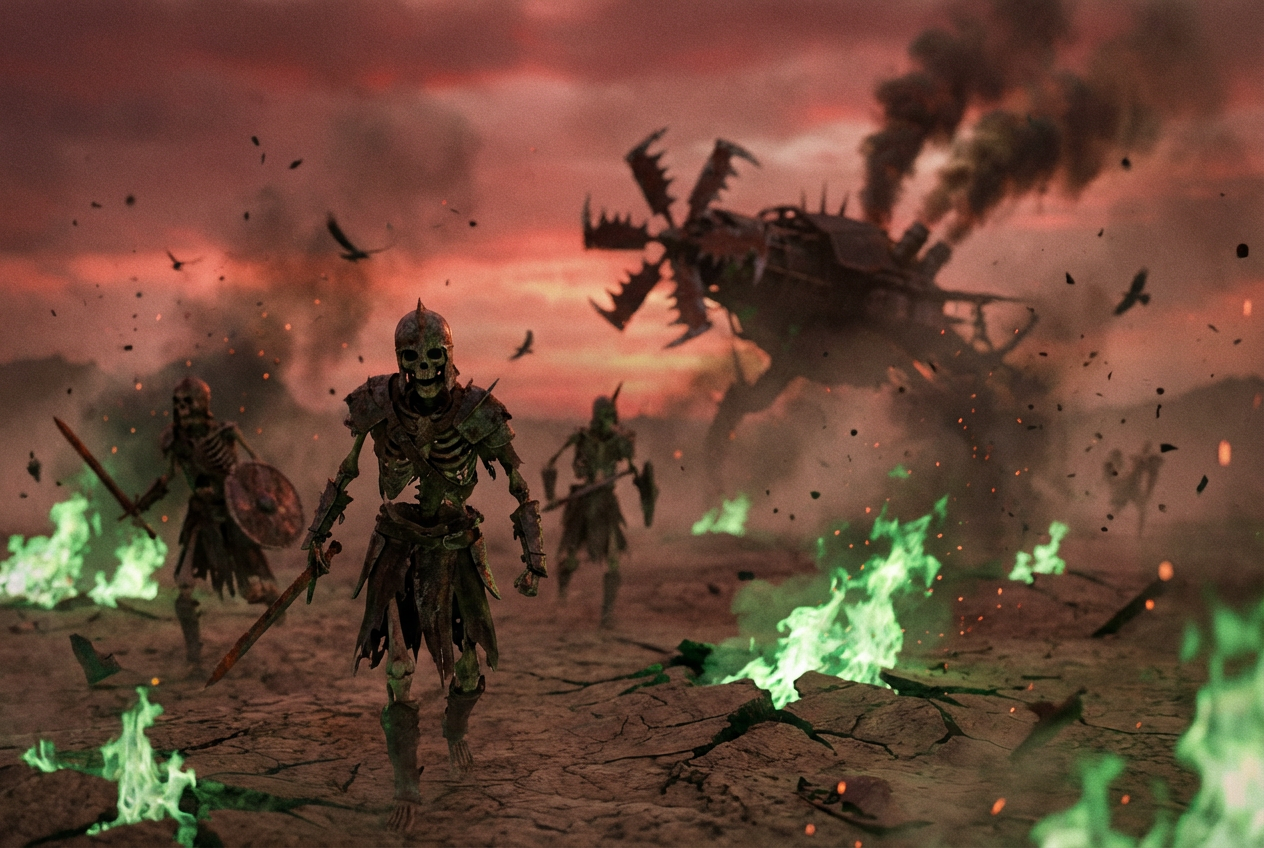
“Surreal morphing organic landscapes — flesh, bone, and sinew forming impossible architectures. Screaming faces emerging from walls of pulsating tissue. Deep crimson and sickly green lighting. Camera: disorienting close-ups and wide establishing shots of a hellish biomechanical cathedral. Rapid intercutting. Mood: relentless dread and cosmic horror.”
3. Thrash Metal
“Chaotic urban destruction — crumbling concrete overpasses, rioting crowds as silhouettes against walls of fire, military vehicles overturned in rubble-strewn streets. Harsh fluorescent and orange firelight. Camera: shaky handheld, aggressive tracking shots, fast cuts synced to snare hits. Mood: furious political rage, anarchic energy.”
4. Black Metal
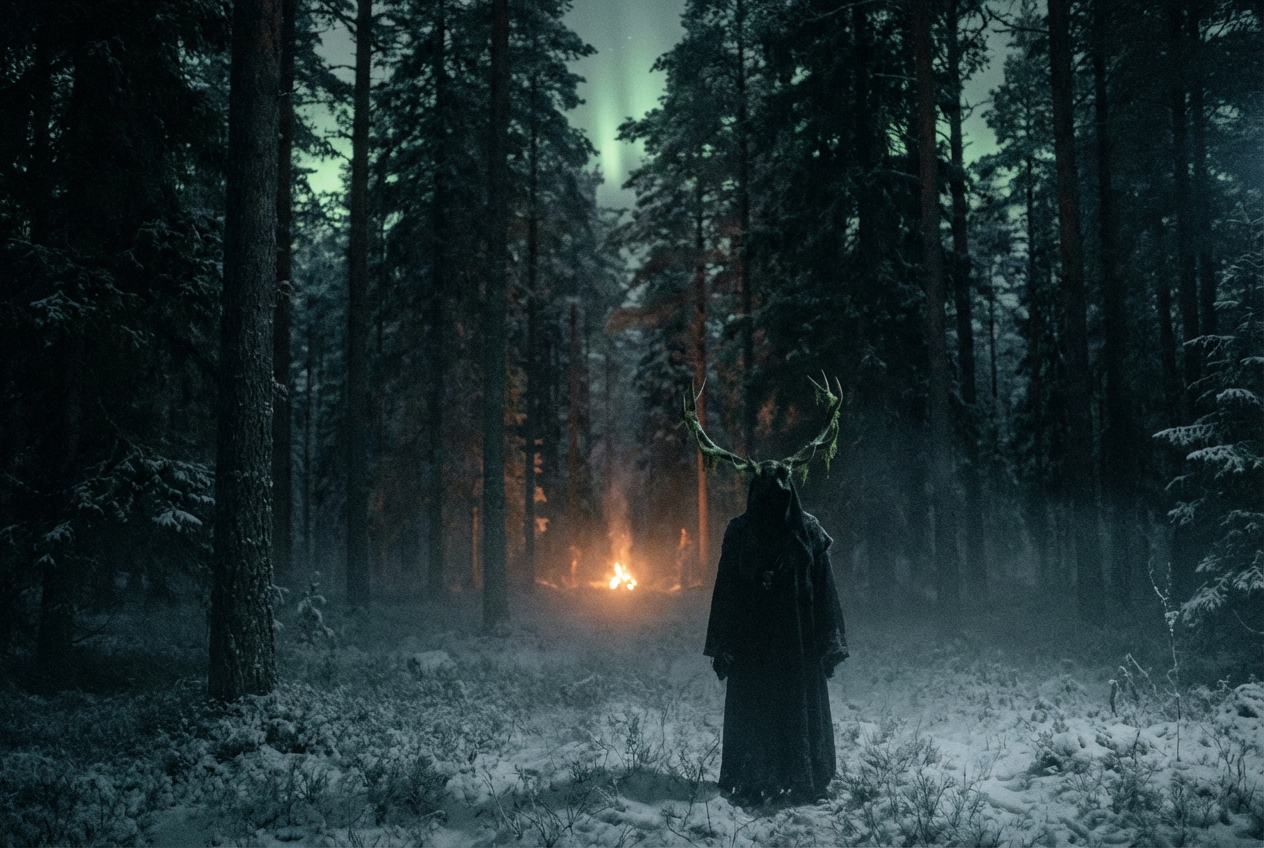
“A solitary cloaked figure walking through a dense ancient forest in heavy snowfall at twilight. Flickering torchlight casting long shadows between gnarled trees. Desaturated, near-monochrome color palette with hints of cold blue. Camera: slow tracking shots through the trees, occasional static wide shots. Film grain overlay. Mood: isolation, ritual, ancient menace.”
5. Metalcore
“High-energy performance in an abandoned industrial warehouse — sparks from grinding metal, swinging overhead lights creating strobing shadows, cracked concrete floors reflecting puddles of rain. High contrast black and white with selective color on embers and sparks. Camera: dynamic — sweeping crane shots transitioning to intimate handheld close-ups. Quick cuts on breakdowns. Mood: emotional intensity, cathartic release.”
6. Doom Metal
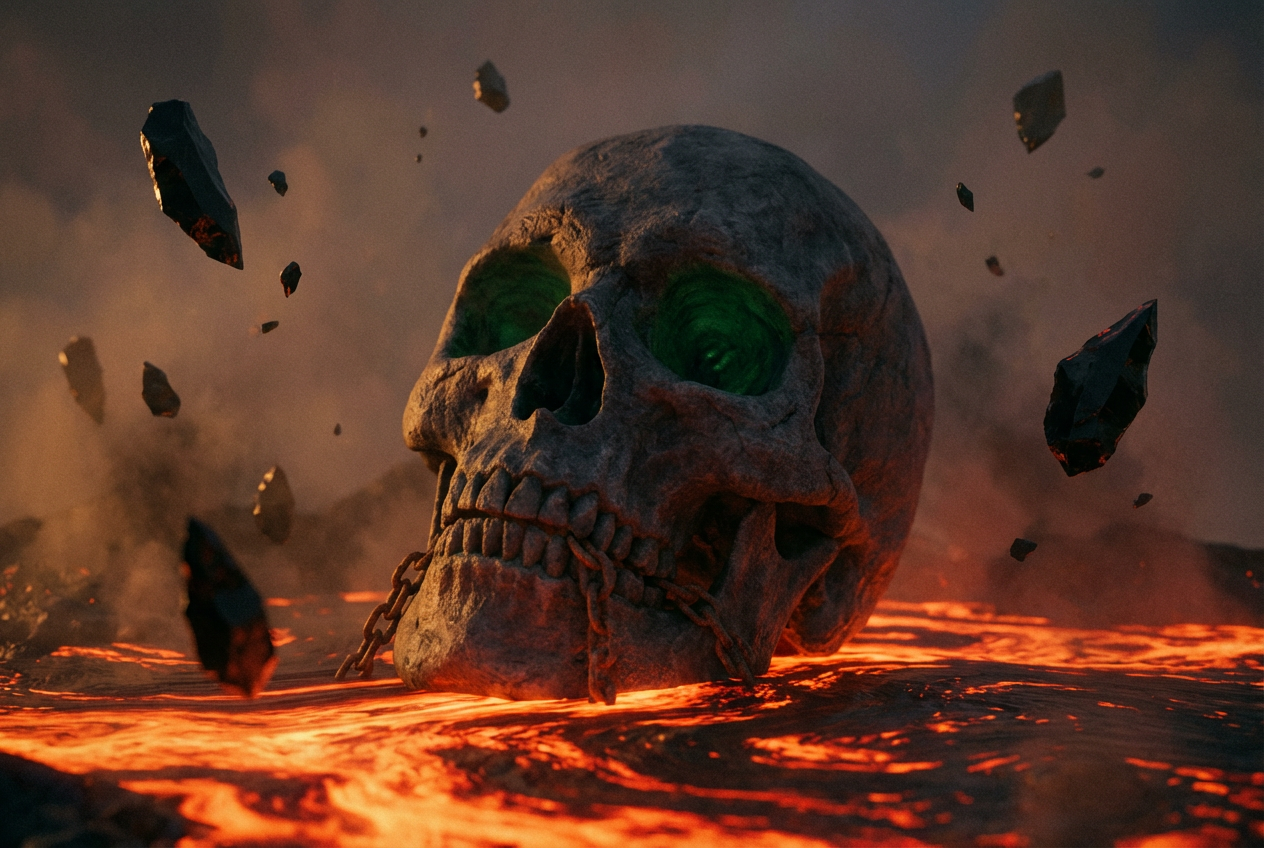
“Vast desert ruins at golden hour stretching to the horizon. A massive crumbling stone idol half-buried in sand, its eyes glowing faintly with amber light. Dust devils spiraling in slow motion. Muted, warm earth tones — ochre, burnt sienna, deep shadow. Camera: extremely slow dolly movements, held wide shots. Mood: crushing weight, cosmic insignificance, ancient sorrow.”
7. Progressive / Djent
“Geometric fractal dimensions — infinite tessellating shapes in chrome and obsidian, folding and unfolding in rhythm. A humanoid figure navigating impossible M.C. Escher-like architecture that shifts with the music’s polyrhythms. Cool metallic color palette — silvers, deep purples, electric blue accents. Camera: smooth, mathematically precise movements. Mood: cerebral, mesmerizing, transcendent.”
8. Symphonic Metal
“A grand Gothic cathedral interior during an otherworldly ceremony — stained glass windows exploding with supernatural light, a choir of spectral figures hovering above the nave, a robed figure conducting storms from the altar. Rich, saturated palette — royal purple, blood red, gold leaf. Camera: sweeping crane shots rising through the architecture. Mood: operatic grandeur, dark majesty.”
Metal AI Music Video Inspiration
The intersection of metal and AI visuals already has a compelling history — and it’s accelerating in 2026.
Voivod — “Quest For Nothing” (2022)
Canadian sci-fi metal innovators Voivod released a music video for “Quest For Nothing,” a song off their album Synchro Anarchy. One of the first clips created with AI technology, the video was produced by Luc Leclerc of Above The Void.
Drummer Michel “Away” Langevin commented: “When AI art started appearing online a few months ago, my jaw dropped to the floor. When Luc Leclerc showed me what he could do with AI animation, my jaw dropped to the basement! His video perfectly captures the dystopian side of the music and lyrics.” The result was a mesmerizing, unsettling visual experience that perfectly matched Voivod’s sci-fi aesthetic.
Unleash The Archers — “Green & Glass” (2024)
Unleash The Archers announced their record Phantoma alongside the release of the single “Green & Glass.” The single featured a heavily-AI music video directed by Danny Gayfer and Adam Junio at RuneGate Studio, “created in Unreal Engine 5 and animated in Stable Diffusion with AI models trained on the licensed artwork of Bo Bradshaw.”
Phantoma is an AI-inspired concept album, telling the story of an AI named “Phantoma” that gains sentience on a dystopic Earth in the not-too-distant future. The video sparked both admiration and debate about ethical AI use in metal — a conversation that has helped the entire scene evolve its approach to AI-assisted visuals.
Bring Me The Horizon & Ice Nine Kills
Rock and metal bands are increasingly embracing artificial intelligence to revolutionize their creative output, from album cover designs and merch graphics to music video concepts. Bands like Ice Nine Kills, Bring Me The Horizon, and Guns N’ Roses exemplify this trend, leveraging AI’s capabilities to craft visually striking and thematically rich promotional materials.
Bring Me The Horizon is at the forefront of digital innovation, integrating AI-generated visuals into their live shows and music videos, pushing the boundaries of audience engagement.
Dadabots — 24/7 AI Death Metal
Dadabots — a project powered by deep learning software — was developed by CJ Carr and Zack Zukowski, two musicians and technologists. It’s based on a recurrent neural network that “learns” patterns in a large amount of input data (in this case, death metal) in order to predict what musical elements and sequences are most common and recreates them. Their 24/7 YouTube livestream of AI-generated death metal, trained on Canadian tech-death band Archspire, became a landmark moment for AI in extreme music.
For more real-world examples and visual references, explore our curated gallery at AI Music Video Examples: Metal.
Tips for Authenticity in Metal AI Music Videos
Metal fans are among the most discerning audiences in music. Metal’s DIY ethic and countercultural roots have been instrumental in shaping its distinctive aesthetic. By embracing independence, self-reliance, and a spirit of rebellion, metal has maintained its artistic integrity and fostered a strong sense of community among fans. Here’s how to keep your AI video authentic:
1. Know Your Subgenre Inside and Out
Don’t make a death metal video that looks like power metal, or a black metal video with metalcore pacing. Each subgenre’s visual language is specific and its fans will notice instantly. Study album artwork, live footage, and existing music videos from bands in your exact subgenre before writing a single prompt.
2. Avoid the “AI Look”
AI video tools are powerful, but not perfect. Be aware of glitches and weird faces if prompts aren’t specific. Metal fans in particular have pushed back against low-effort AI art — for most bands seeking to use AI as an affordable means of producing album art and music videos, the art itself can be perceived as lazy if not executed thoughtfully. Combat this by:
- Being extremely specific in your prompts (vague prompts = generic results)
- Using the AI’s output as a starting point, not a finished product
- Adding post-processing: film grain, color grading, subtle overlay textures
- Embracing the surreal qualities of AI where they serve the music (morphing visuals work great for death metal and progressive metal)
3. Don’t Forget Narrative
The best metal music videos tell stories. Choosing the more conceptual route over live footage, Iron Maiden’s “Can I Play with Madness” remains one of the most influential metal music videos of all time. Even abstract visuals benefit from a thread of narrative coherence — a journey, a transformation, a confrontation. Give your AI video a beginning, middle, and end.
4. Embrace the DIY Spirit
The heart of the video still comes from your music, your story, your input. If the music is real and the visuals are driven by your artistic vision, then it can still feel metal as hell. Metal was built on DIY culture — from photocopied zines to self-recorded demos. Using AI tools to realize a vision you couldn’t afford to produce traditionally is entirely in keeping with that spirit.
5. Consider the Ethical Dimension
The Unleash The Archers experience is instructive. Their statement acknowledged: “We genuinely tried to do this in a way that would be ethical. We missed the mark on that, and we hope our missteps in the process of using AI sets better expectations for the next band who tries this.” Be transparent with your audience about AI use. The metal community values honesty above almost everything else.
6. Let AI Enhance What’s Already Uniquely Yours
AI’s influence doesn’t replace the spirit of heavy metal — it amplifies it. Instead of making emotionless art, these systems learn emotional signatures from real performers, allowing AI-generated metal to sound ferocious yet authentic. The same principle applies to visuals. Your creative direction, your lyrical themes, your band’s identity — those are the irreplaceable inputs that make an AI-generated video yours.
Distribution Strategy for Metal AI Music Videos
Creating the video is half the battle. Getting it in front of the right metalheads is the other half.
YouTube: Your Home Base
YouTube remains the primary platform for full-length metal music videos. Metallica’s YouTube channel alone has 12.1M subscribers, while label channels like Nuclear Blast and Century Media provide endless hours of content to millions. For your metal AI music video on YouTube:
- Upload in the highest resolution available (4K if possible)
- Write a keyword-rich title and description including your subgenre
- Use custom thumbnails that capture the most visually striking frame
- Include timestamps for distinct sections if your video has a narrative arc
- Tag with relevant genre terms: metal, heavy metal, death metal, metalcore, thrash, AI music video
Short-Form: TikTok, Instagram Reels, YouTube Shorts
Metal content has found a surprisingly strong audience on TikTok, Instagram Reels, and YouTube Shorts, where high-energy clips cut through the noise fast. Extract your video’s most visually explosive 15–60 second moments for vertical short-form content. Breakdowns, solos, and opening riffs make the best clips.
Metal-Specific Communities
Focus on platforms where metal fans gather. Facebook remains important for community building and event promotion. Instagram is great for strong visuals — band photos, artwork, short video clips. Don’t overlook:
- Reddit: r/metal, r/metalcore, r/deathmetal, r/progmetal, and subgenre-specific subs
- Metal blogs and webzines: MetalSucks, Metal Injection, Loudwire, Blabbermouth — submit your video for coverage
- Metal Discord servers and forums: Direct engagement with passionate communities
- Bandcamp: Include your video link in your release page — Bandcamp’s audience skews heavily toward dedicated metal fans
Spotify Canvas
If your track is on Spotify, use a short looping clip from your AI video as a Spotify Canvas. This subtle touch turns passive streams into visual experiences and can increase save rates significantly.
Cross-Genre Appeal
If your video is particularly visually striking, don’t limit your promotion to metal channels alone. AI art communities, filmmaking subreddits, and creative technology publications may also be interested — especially if your video pushes the boundaries of what’s possible with AI-generated visuals.
For strategies across other genres, explore our guides on AI Music Videos for Rock, AI Music Videos for EDM, and AI Music Videos for Hip-Hop.
Conclusion: Forge Your Vision
Metal has never waited for permission to evolve. From the NWOBHM explosion to the rise of death metal, from the digital underground to the streaming era — this genre adapts, mutates, and endures. AI music video generation is the next chapter in that evolution.
In 2026, acceptance of AI in metal is widening. Influential artists now see it as a tool rather than a threat.
Metal fans embrace AI for its experimentation. AI models create compositions that push boundaries of rhythm and tonality far beyond what human hands typically achieve. Meanwhile, producers find practical benefits: faster workflow, lower cost, and unlimited creative options.
The same applies to visuals. Whether you’re crafting a crushing doom metal video of ancient ruins crumbling in slow motion, a frantic thrash video of urban chaos, or a surreal death metal nightmare of morphing organic landscapes — AI gives you the power to realize visions that once required Hollywood budgets.
Your music deserves visuals as powerful as its sound. Your fans deserve to see the worlds your riffs conjure in their minds.
Ready to unleash something brutal? Create your metal AI music video with OneMoreShot.ai →