AI Is Resurrecting Dead Rappers. Is That OK?
Two days ago, Rich Homie Quan walked through a cemetery, played with his children, and rode through New York in luxury cars.
He’s been dead since September 2024.
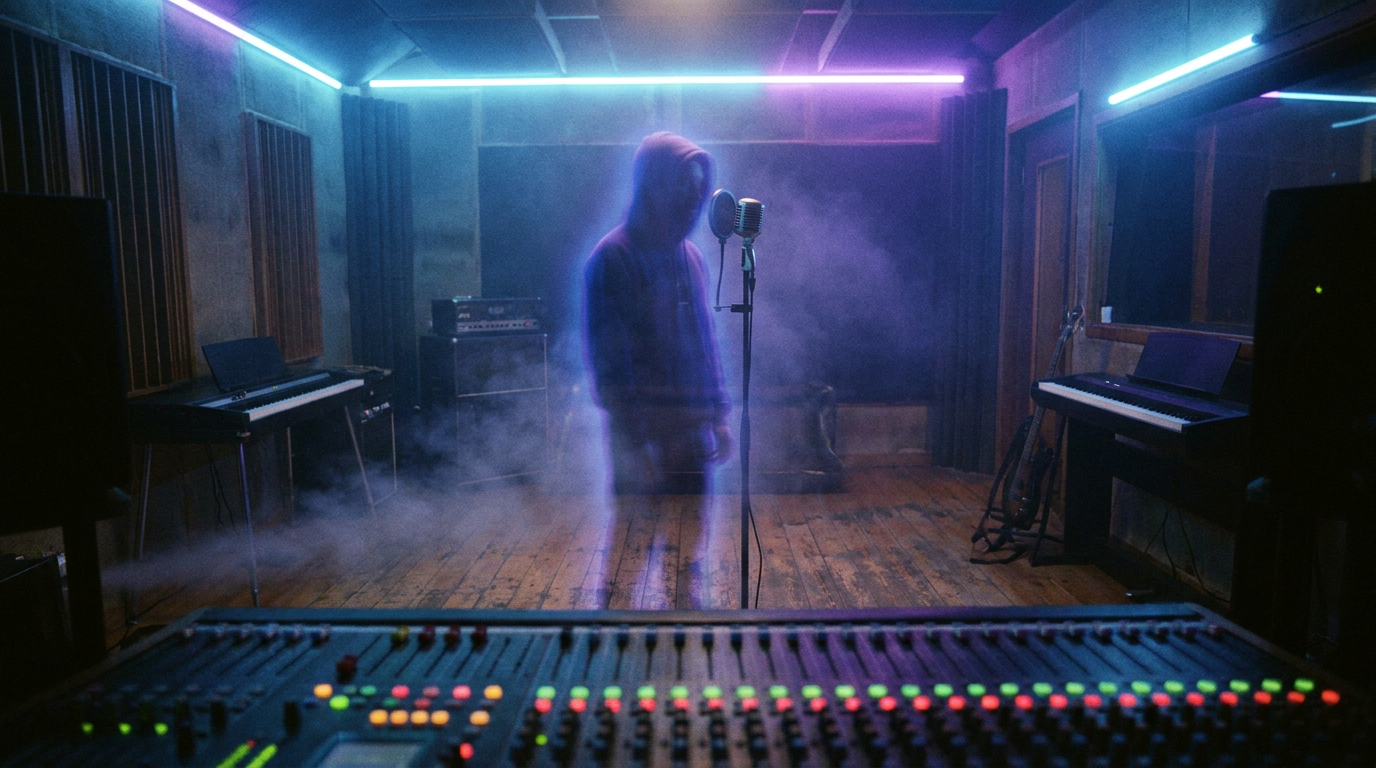
The estate of Rich Homie Quan released a new AI-generated music video for his posthumous song “Still Dead” on May 22, 2026 , and the internet immediately split in half. The visual features Rich Homie Quan depicted walking through a cemetery, spending time with his children, and performing in a studio setting, all created entirely through artificial intelligence technology. It’s beautiful. It’s unsettling. And it might be the most important AI music video of the year — not because of how it looks, but because of what it forces us to ask.
The “Still Dead” Video and Why It Hit Different
Let’s start with the facts. Rich Homie Quan passed away in September 2024 due to an accidental drug overdose.
Since then, two posthumous albums have been released: Forever Going In in 2024 and Legacy of Hits in 2025. Posthumous releases aren’t new in hip-hop — they’re practically tradition. What is new is using AI to generate an entire music video that puts a dead man’s digital likeness back into the world.
The video opened with an AI-rendered Quan walking through a cemetery before shifting into scenes that place him in what appears to be a club, inside a home with his children, outside a residence near luxury cars, on a plane, in New York — a whole cinematic journey for someone who never stood in front of a camera for any of it.
The conversation is especially sensitive because the song itself deals with danger, mortality, and the fear of not making it home to one’s children. When AI puts a dead father back with his kids in a video about not making it home… yeah. You can see why people had reactions.
The Backlash Was Immediate and Visceral
Social media didn’t wait to weigh in. The release sparked a heated debate regarding digital ethics, consent, and the preservation of an artist’s legacy.
The criticism came hard and fast. Fans expressed deep discomfort with the visual. One critic wrote online that this was “next-level disrespectful.” Others questioned the fundamental ethics of recreating someone who cannot consent. Much of the discourse centers on a familiar tension in the entertainment industry: how far technology should go in recreating people who can no longer provide consent.
But not everyone was against it. Some users argued the video was created to preserve his memory and introduce his legacy to younger audiences. Defenders pointed out that Quan’s estate authorized the project, and some noted that the project helps provide financial support to his family, especially considering his role as the family’s primary earner before his death.
That’s the tension, right there. Exploitation or preservation? Digital grave-robbing or a new kind of tribute? The answer probably depends on who’s profiting and who’s consenting.
This Isn’t an Isolated Incident
Here’s the thing: the Rich Homie Quan video didn’t happen in a vacuum. It’s part of a rapidly accelerating pattern in hip-hop specifically, and music more broadly.
This is not the first time AI-generated visuals in hip-hop have sparked controversy. Earlier this year, 50 Cent also faced criticism after using AI-generated imagery in a music video connected to his collaboration with Max B. In that case, 50 used AI-generated visuals to troll other rappers — a very different energy from a posthumous tribute, but the same underlying technology.
And it goes beyond hip-hop. The Rolling Stones look straight out of the 1970s in their music video for new single “In the Stars,” thanks to de-aging technology courtesy of South Park creators Trey Parker and Matt Stone’s AI company Deep Voodoo. The difference? The Stones are alive and chose to do it. Consent was built in from the start.
On the other end of the spectrum, Spotify has been posting AI-generated songs attributed to dead artists without the consent of their estates or rights holders , according to reports from last year. And Sony Music requested the removal of more than 135,000 deep-fake songs impersonating its artists on streaming services just last month.
We’re watching the same technology get used for tributes, trolling, fraud, and art — sometimes in the same week. If you’re a musician navigating this space, check out our complete guide to AI music videos for context on how to use these tools responsibly.
The Consent Problem No One Has Solved
Let’s be honest: the music industry doesn’t have a great track record with consent even when artists are alive. But death introduces a whole new level of complexity.
Musicians who died before generative AI became accessible didn’t get the chance to provide their consent, posing an increasingly urgent ethical dilemma. Rich Homie Quan couldn’t have anticipated that AI would be good enough to recreate him walking through a cemetery two years after his death. Nobody drafts estate documents that cover “what to do when AI can convincingly animate my likeness.”
Creative AI researcher Kyle Worrall advises that the best way forward would be to contact families of the deceased artists to seek permission before using their vocals. “While this wouldn’t be as ethical as getting permission from the artist when they were alive, this seems like a fairer middle ground.”
In Quan’s case, his estate did authorize the video. But even with consent, things could go wrong. As one researcher put it, “You can imagine it going in a dystopian direction where maybe an artist had signed up for one thing before they died, but then it goes in a direction they wouldn’t have been happy with.”
The question isn’t whether estates should be allowed to do this. The question is whether we’re building the frameworks fast enough to prevent abuse at scale.
The Industry Is Moving — In Two Opposite Directions
What makes this week so fascinating is that the Quan controversy landed alongside two other massive AI music stories that point in completely different directions.
Spotify and UMG struck a landmark AI deal. Spotify and Universal Music Group announced a licensing deal for recorded music and publishing rights, enabling Spotify to launch generative AI music models that will allow fans to create covers and remixes of their favorite songs from participating artists.
The companies state that the framework is based on three pillars: consent, credit, and compensation.
Spotify shares jumped 13% on the news.
Apple Music drew a line in the sand. Apple Music shared an open letter titled “What We’re Doing to Keep Music Fair,” reaffirming its commitment to help the music business navigate the use of AI responsibly.
Apple says AI music represents significantly less than 1% of all plays on the service, but it is being proactive to keep a fair, level playing field for all creators. The company isn’t banning AI music, but it must be clearly labelled and not misleading.
And here’s the number that tells the real story: Billboard’s report adds that 65% of AI-generated songs on Apple Music have not received one play. That’s right — most AI music is uploaded and nobody listens. It suggests that much AI-generated content is not being made because listeners are asking for it. A large share may be speculative, experimental, spam-like, or designed to test platform systems.
Meanwhile, Deezer reported that approximately 44% of daily uploads are now AI-generated tracks , but AI songs account for less than 3% of total streams on the platform, and a majority of those streams have been deemed fraudulent.
So we’re in this bizarre situation where AI music is flooding the gates but nobody’s really listening — and yet when an AI music video drops for a beloved dead rapper, everyone has an opinion. The visual component changes everything.
What This Means for Musicians Making AI Music Videos
Here’s where we zoom out from the controversy and talk about what actually matters for you as a creator.
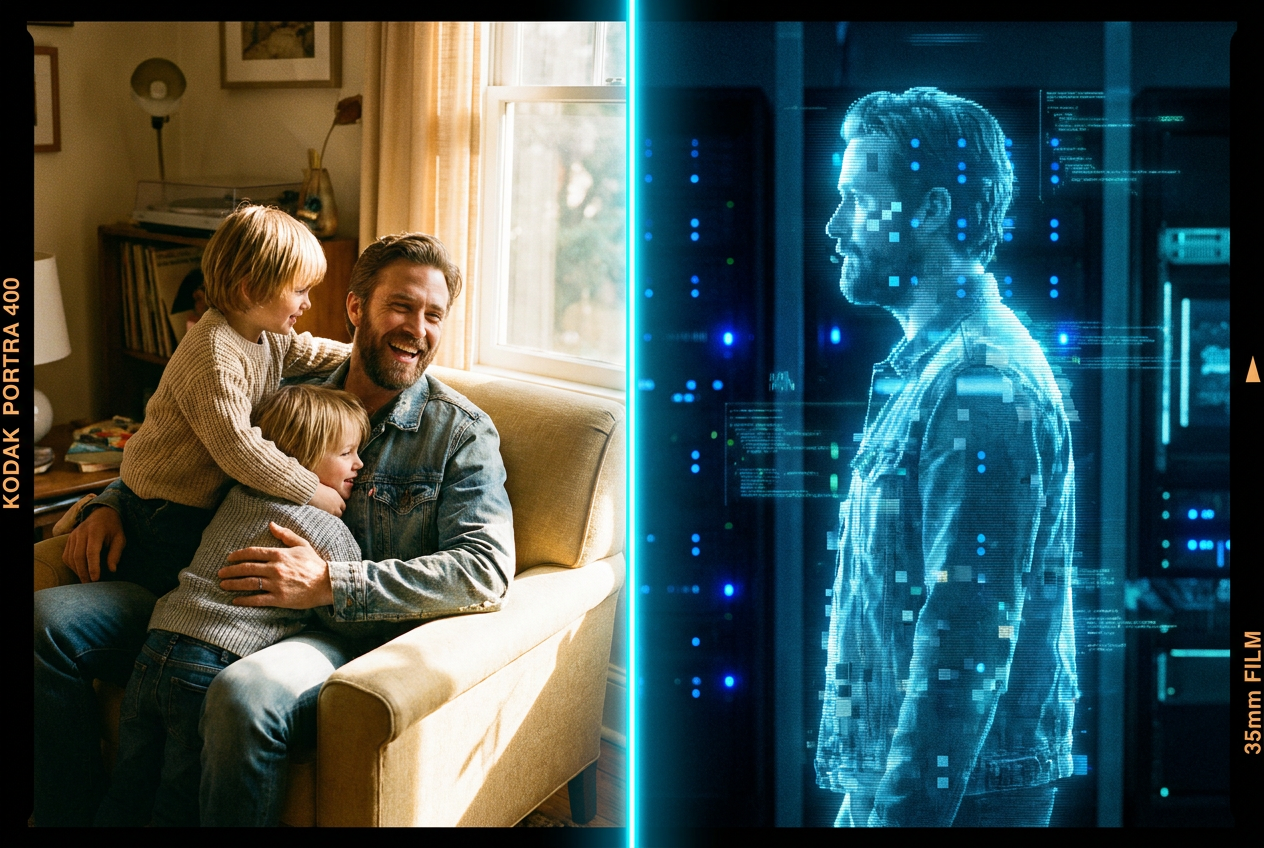
The Rich Homie Quan video isn’t an argument against AI music videos. It’s an argument for intentionality. The backlash wasn’t about AI being used — it was about how it was used and who it depicted. If Quan’s team had released an AI-generated lyric video with abstract visuals, nobody would have blinked. It was the digital resurrection — the uncanny recreation of a dead man in intimate domestic scenes — that crossed the line for many people.
This distinction matters enormously. AI music videos that enhance your vision as a living artist sit in a completely different ethical space than AI videos that recreate the dead. When you use tools like OneMoreShot.ai to create visuals for your own music, you’re the artist making creative choices about your own work. That’s the opposite of what happened here.
If you’re in hip-hop and want to explore AI visuals the right way, check out our guides to AI music videos for hip-hop and AI music video examples in hip-hop. And if you’re working in other genres, we’ve got genre-specific resources for R&B, pop, and indie that show what’s possible when living artists direct their own AI visuals.

Where the Line Should Be
After a week of reporting, debating, and watching this story unfold, here’s where I land:
AI music videos for living artists who consent? Incredible. The democratization of visual storytelling is genuinely revolutionary. Independent musicians who could never afford a $50,000 music video shoot can now create stunning visuals that compete with major label releases. That’s the promise of AI music video creation at its best.
AI recreations of deceased artists? Proceed with extreme caution. Estate authorization is the bare minimum, not the gold standard. The question should always be: Would this person have wanted this? And if you can’t answer that with confidence, maybe don’t do it.
AI-generated fraud and impersonation? Absolutely not. When a majority of plays for an AI song are coming from stream manipulation, Apple Music automatically removes that song from the service. Every platform should be doing this, and faster.
The technology itself is neutral. A video generation model doesn’t know the difference between a living artist’s creative vision and a digital resurrection of a dead rapper. That’s why the ethical weight falls on the humans making the decisions — and on the platforms distributing the results.
The Future Is Already Arriving
“Still Dead” has pushed Rich Homie Quan’s legacy back into public conversation while raising fresh questions about consent, grief, and how hip-hop should handle AI after an artist is gone.
Those questions aren’t going away. If anything, they’re going to intensify as the tools get better and cheaper. R&B singer SZA told i-D magazine she feels “at war” with AI , and she’s not alone. But artists are also learning that AI can be a creative amplifier rather than a replacement — when used on their own terms.
Music executives say the industry’s stance on AI is beginning to shift from fear toward more pragmatic adoption. However, they argue the technology will only gain broader acceptance if companies handle licensing, attribution and artist compensation responsibly — and keep human creators at the center of the work.
That’s the balance everyone is searching for. And the Rich Homie Quan video just showed us exactly what happens when that balance tips the wrong way for a lot of people.
Make Your Music Videos on Your Terms
If there’s one takeaway from this week’s AI music video drama, it’s this: the most powerful AI music videos are the ones where the artist is in the driver’s seat. Not an estate. Not a label exec. Not someone using a dead person’s likeness for engagement.
You. Your music. Your vision.
That’s exactly what OneMoreShot.ai is built for — giving independent musicians the power to create stunning music videos in minutes, on their own creative terms. No posthumous ethical dilemmas required. Just your track, your ideas, and AI that works for you. Try it at app.onemoreshot.ai and see what your music looks like when you’re the one calling the shots.