The FBI's AI Sabotage Video Is a Warning for Musicians
On Monday, FBI Director Kash Patel posted a two-minute promotional video on X. It racked up half a million views in 24 hours. It also might be one of the most important AI video copyright cases musicians have ever seen — and almost nobody in the music world is talking about it the right way.
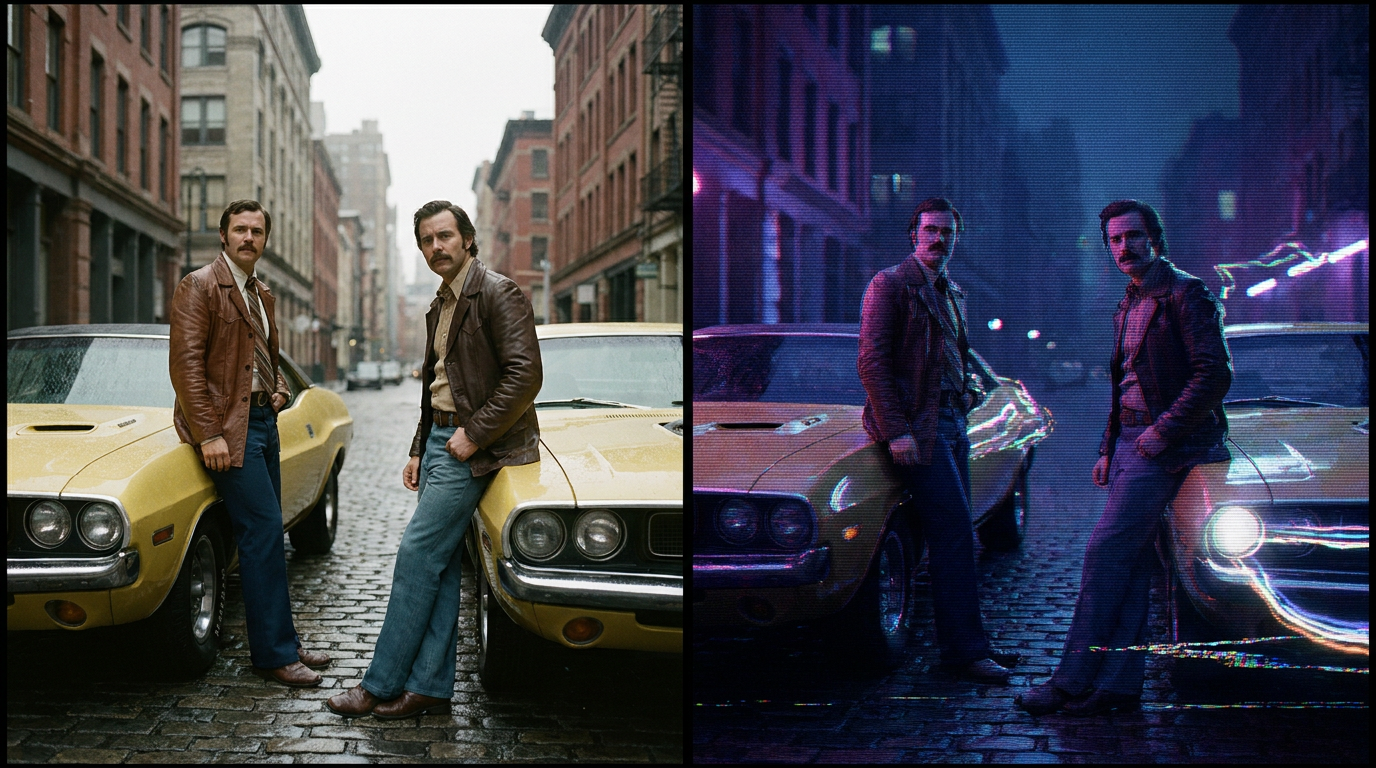
The video appears to have used AI to generate short clips nearly identical to those in the Beastie Boys’ iconic 1994 music video for “Sabotage.” And that word — appears — is doing a lot of heavy lifting, because the FBI did not respond to NPR’s request for more information about the video and how it was made, though independent experts who reviewed the video agreed that the clips were likely generated by AI.
If you’re a musician wondering what any of this has to do with you, the answer is: everything.
What Actually Happened
Here are the facts. Patel released the video on Monday on X, in a post about the FBI’s effort to combat “massive fraud.” The roughly two-minute video used the instrumental version of “Sabotage” and footage nearly identical to the original music video, interspersed with what appeared to be authentic footage of FBI agents conducting their work.
If you’ve ever seen Spike Jonze’s legendary “Sabotage” video — and if you haven’t, fix that immediately — you know it’s one of the most recognizable music videos in history. The video is a homage to, and parody of, 1970s crime drama shows such as Hawaii Five-O, The Streets of San Francisco, S.W.A.T., Baretta, and Starsky and Hutch. The video is presented as the opening credits of a fictional 1970s-style police show called Sabotage, with the band members appearing as the show’s protagonists.
The FBI version wasn’t a tribute. It wasn’t a homage. NPR’s analysis shows at least six clips in the FBI video were frame-by-frame recreations of shots in the iconic “Sabotage” music video. The clips featured vehicles, people and buildings that were incredibly similar to the original video, but with small differences that would likely be generated by AI.
The details are almost comically damning. In one shot where a car is spinning out, grilles are clearly visible in some of the windows in the original footage, but they are missing in the FBI version. Another shot shows an individual with a megaphone jumping from roof-to-roof with telephone lines in the background. The lines and dirt on the building all align identically to the 1994 video, which was filmed over 30 years ago. In one frame, one of the telephone lines appears to go through the head of the character: the sort of flaw that can be common in AI video generation.
How the AI “Rip” Probably Worked
According to digital forensics experts, this wasn’t a case of someone typing “make me a 70s cop show video” into a prompt box. It was more surgical than that.
The clips were likely created by taking screenshots or short clips from the original “Sabotage” music video and feeding them into an image-to-video model, according to Hany Farid, a professor at UC Berkeley who specializes in digital image analysis. It’s also possible that the AI model generated the clips itself because the original music video was in its training data — though Farid believes that’s less likely. Either way, “The similarities are hard to explain otherwise.”
Bellingcat researcher Kolina Koltai was more blunt. “It does seem like it would be highly likely to be AI,” Koltai told NPR. “You can even see some of the AI errors.” For example, Koltai noted characteristic AI-generated artifacts in the “No Fraud” license plate on the FBI car in the opening shot.
The irony of an AI artifact on a license plate reading “No Fraud” in a video promoting anti-fraud operations? Chef’s kiss. You couldn’t script this.
Why the Beastie Boys Connection Matters
This isn’t just any band getting their work cloned. The Beastie Boys have one of the most well-documented anti-commercial-use positions in music history.
Adam Yauch explicitly forbade the commercial license of his music in his will, writing that “in no event may my image or name or any music or any artistic property created by me be used for advertising purposes.” He passed away from cancer in 2012, and his bandmates have honored that wish aggressively.
The Beastie Boys have long been adamant about keeping their music off of advertisements. The group has even sued multiple brands to scrub their music from spots, while refusing to license any and all high-priced offers. One legal battle, waged against Monster Beverage Corp., resulted in a decision valued at more than $2 million. This was about the Beastie Boys’ core values towards capitalism, creativity, and never selling out.
And the Beastie Boys have rarely licensed their music for commercial use in the wake of Adam Yauch’s death, and Ad-Rock has publicly called Trump a “racist, sexist, homophobe.”
So we have a government agency apparently using AI to recreate a music video by artists who have spent decades — including from beyond the grave — explicitly refusing to let their work be used for promotional purposes. Representatives for Spike Jonze and the Beastie Boys declined to comment to NPR. The FBI also refused to confirm whether AI was used or explain the video’s creation process.
The Bigger Pattern: AI Video as Copyright Workaround
Here’s where it gets truly relevant for every musician reading this. The FBI video isn’t an isolated incident. It’s a preview of the single biggest copyright question facing the music video world in 2026: can someone use AI to recreate your visual work and claim it’s “new”?
The move has ignited debate over copyright concerns and AI’s growing role in government communications. And copyright law remains murky when government agencies use AI to recreate protected creative works, especially those still held by artists’ estates and production companies.
This pattern is accelerating. In President Trump’s second term, members of his administration have enthusiastically co-opted popular music, movies, and memes as a way of spreading their message, even when artists have protested. Using AI has also been a common tactic.
But it’s not just government. The same image-to-video technique used on the Sabotage video can be used by anyone. Your music video aesthetic, your visual brand, your painstakingly crafted visual narrative — all of it can theoretically be fed into an AI model and remixed into something that’s almost your work but technically isn’t.
This is why building a strong, recognizable visual identity for your music matters more than ever. If you’re just getting started with AI music videos, our complete guide to AI music videos in 2026 breaks down how to create visuals that are authentically yours — not cheap knockoffs of someone else’s.
The Streaming Context: AI Is Already Eating Everything
The FBI video controversy lands at a moment when AI’s impact on music is reaching crisis proportions.
Deezer announced in April that AI-generated tracks now represent 44% of all new music uploaded to its platform. The company said it’s receiving almost 75,000 AI-generated tracks per day and more than two million per month. The consumption of AI-generated music on the platform is still very low, at 1-3% of total streams, and 85% of these streams are detected as fraudulent and demonetized.
Read that again: 44% of uploads, but only 1-3% of actual listening. And of that tiny listening share, 85% of those streams are flagged as fraudulent and demonetized. In other words, the listening share remains small, but the abuse signal is high.
According to a study by CISAC and PMP Strategy, nearly 25% of creators’ revenues are at risk by 2028, which could amount to as much as €4 billion by that time.
Meanwhile, listener attitudes are shifting. Luminate’s 2026 report found that “consumers are net negative” on AI music — “people are more likely to feel uncomfortable than to feel comfortable with AI use.”
And artists are speaking out. R&B singer SZA told i-D magazine in March that she feels “at war” with AI, adding: “It’s happening disproportionately with Black music.”
What This Means for Independent Musicians
Here’s the uncomfortable truth the FBI Sabotage debacle illuminates: the tools to recreate, remix, and reimagine existing visual work are now available to literally everyone. A government agency did it to one of the most protected music videos in history. In broad daylight. On a platform with millions of viewers.
If they can do it to the Beastie Boys, they can do it to you.
This means three things for independent musicians:
1. Your Visual Identity Is Now an Asset Worth Protecting
Every music video you release builds your visual brand. The more distinctive and consistent your aesthetic is, the harder it is for someone to convincingly clone it — and the easier it is to prove copying if they try. Whether you’re making hip-hop music videos, indie visuals, or R&B content, developing a signature look is no longer optional.
2. Original AI Video > Cloned AI Video
The irony is that AI video tools are genuinely amazing for musicians — when used to create original work. The problem with the FBI video isn’t that it used AI. It’s that it used AI to copy someone else’s creative vision frame-by-frame. There’s a massive difference between using AI to bring your own artistic vision to life and using AI to launder someone else’s.
If you want to learn how to make an AI music video the right way — starting from your own creative concepts and building something that’s unmistakably yours — that’s where the real power of these tools lies.
3. The Copyright Framework Is About to Get Real
The FBI video represents yet another instance of government officials using AI technology to adapt popular culture without artist permission. Industry experts and music advocates are watching closely to see if legal action follows.
The Beastie Boys have sued for less. The Monster Energy case resulted in a multi-million dollar judgment over unauthorized use. An AI-generated frame-by-frame recreation of their most iconic video? If this doesn’t trigger a lawsuit, nothing will — and whatever legal precedent emerges will shape AI copyright law for every musician.
The Right Way to Use AI for Music Videos
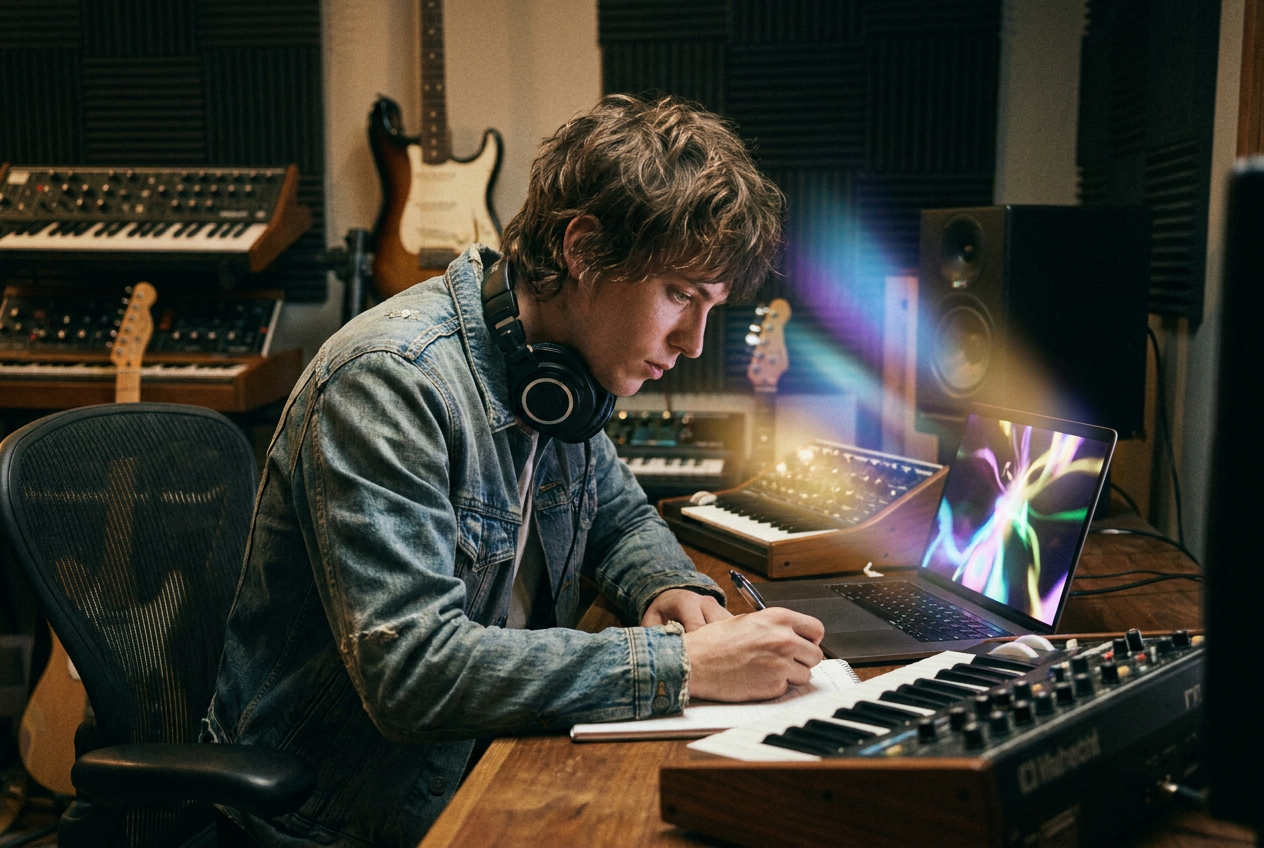
Let’s be clear about something: AI video generation is an incredible tool for musicians. The technology that enables someone to recreate the “Sabotage” video also enables a bedroom artist to create a stunning, original pop music video or a cinematic rock visual without a five-figure budget.
The difference is intent and originality. Using AI to express your creative vision is empowering. Using AI to photocopy someone else’s is, at best, creatively bankrupt — and at worst, legally actionable.
The best AI music videos in 2026 start from original concepts: your lyrics, your mood, your aesthetic references, your story. Tools like OneMoreShot.ai let you upload your track and build a visual world around it that’s genuinely yours — not a reskinned version of someone else’s masterpiece.
What Happens Next
The FBI Sabotage situation is still unfolding. It’s unclear whether the FBI obtained the artists’ permission for use of their music in the videos — though it’s extremely unlikely. The Beastie Boys’ legal team hasn’t commented publicly yet, but given their track record of aggressive enforcement, this feels like a “when, not if” situation.
For the rest of us — musicians, creators, fans — this is a watershed moment. It’s the first major, mainstream, half-a-million-views demonstration of AI being used to recreate an iconic music video for promotional purposes without the artists’ apparent consent.
The music video has survived the transition from MTV to YouTube, from widescreen to vertical, from million-dollar budgets to bedroom productions. It will survive AI too. But only if creators insist on using the technology to build something new rather than cannibalize what came before.
The Beastie Boys built “Sabotage” in 1994 with a camera, some fake mustaches, and Spike Jonze’s genius. Thirty-two years later, the most powerful law enforcement agency in the country apparently couldn’t come up with anything better than feeding those frames into an AI model.
That tells you everything you need to know about the difference between creation and imitation — and why original creative vision still matters more than any algorithm.
Ready to create something original? OneMoreShot.ai turns your music into stunning AI-generated music videos that are uniquely yours — no iconic videos harmed in the process.