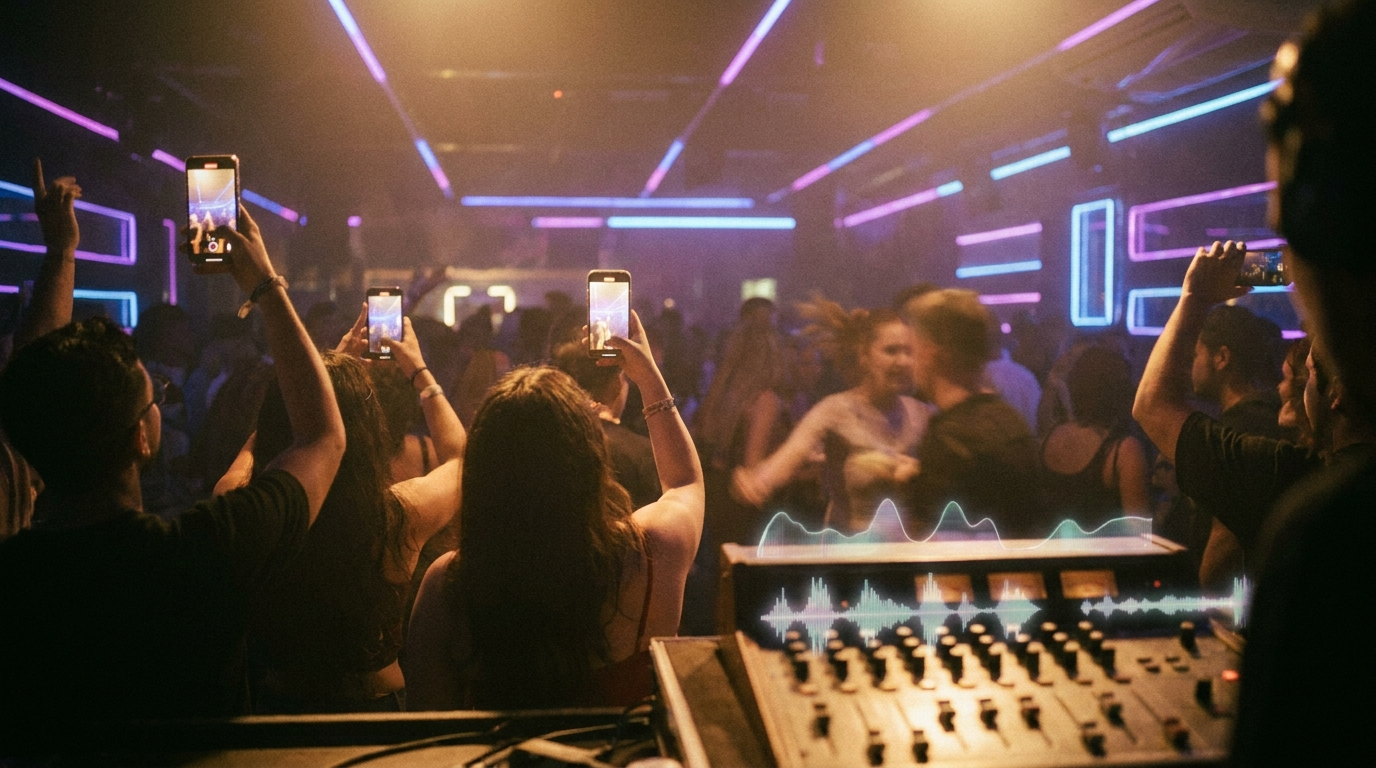
UMG's Hook Deal Just Licensed AI Fan Remixes
Universal Music Group just opened its entire catalog — over three million recordings — to an AI-powered remix app called Hook. And if you’re a musician who’s been watching the AI wars from the sidelines, this is the deal that should make you pay attention.
Not because it’s another headline about lawsuits or licensing. Because it redefines what fans are allowed to do with your music.
What Just Happened
Universal Music Group announced on August 19, 2026 that it entered a licensing agreement with Hook, an AI-powered music remixing platform. The deal allows Hook users to create, remix, and share content using officially licensed recordings from UMG’s catalog, which contains more than three million recordings and four million compositions.
Hook users can now remix, mash up, and share content using fully licensed and cleared songs from UMG, Downtown, Too Lost, Primary Wave, and Avex. That’s not a small catalog. That’s a significant chunk of modern popular music, available for fans to chop up, remix, and post across social media.
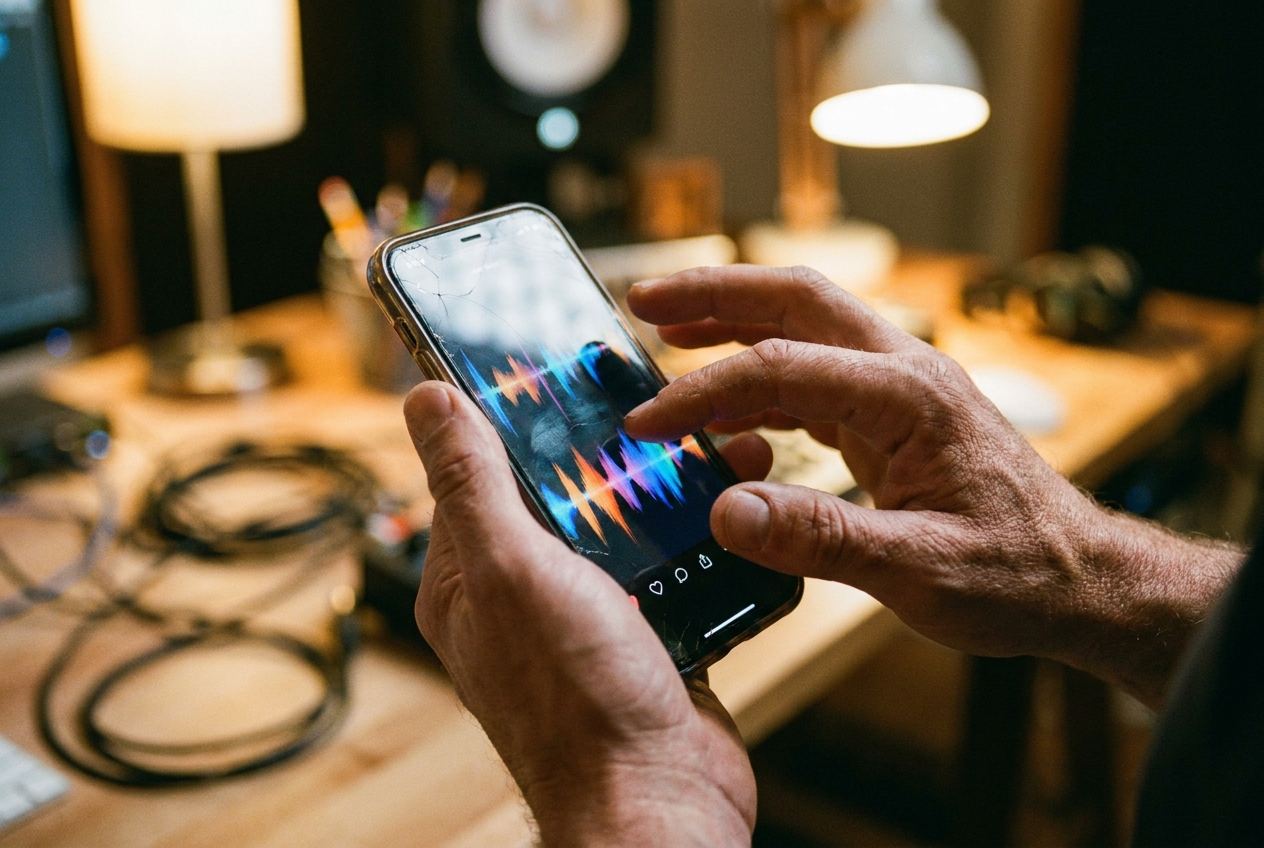
Hook is an AI-powered app where fans can create minute-long clips that remix or mash up a licensed artist’s track to share on platforms like Instagram and TikTok.
And here’s the critical distinction from everything else in the AI music space right now: unlike generative AI platforms, Hook does not generate new tracks.
Instead, it enables fans to create user-generated content (UGC) with licensed music from their favourite artists.
This isn’t Suno. This isn’t Udio. Nobody’s typing a prompt and getting a new “song” that sounds like Drake. This is fans taking real songs and making their own creative expressions with them — and for the first time, doing it legally at major-label scale.
Why This Deal Is Different
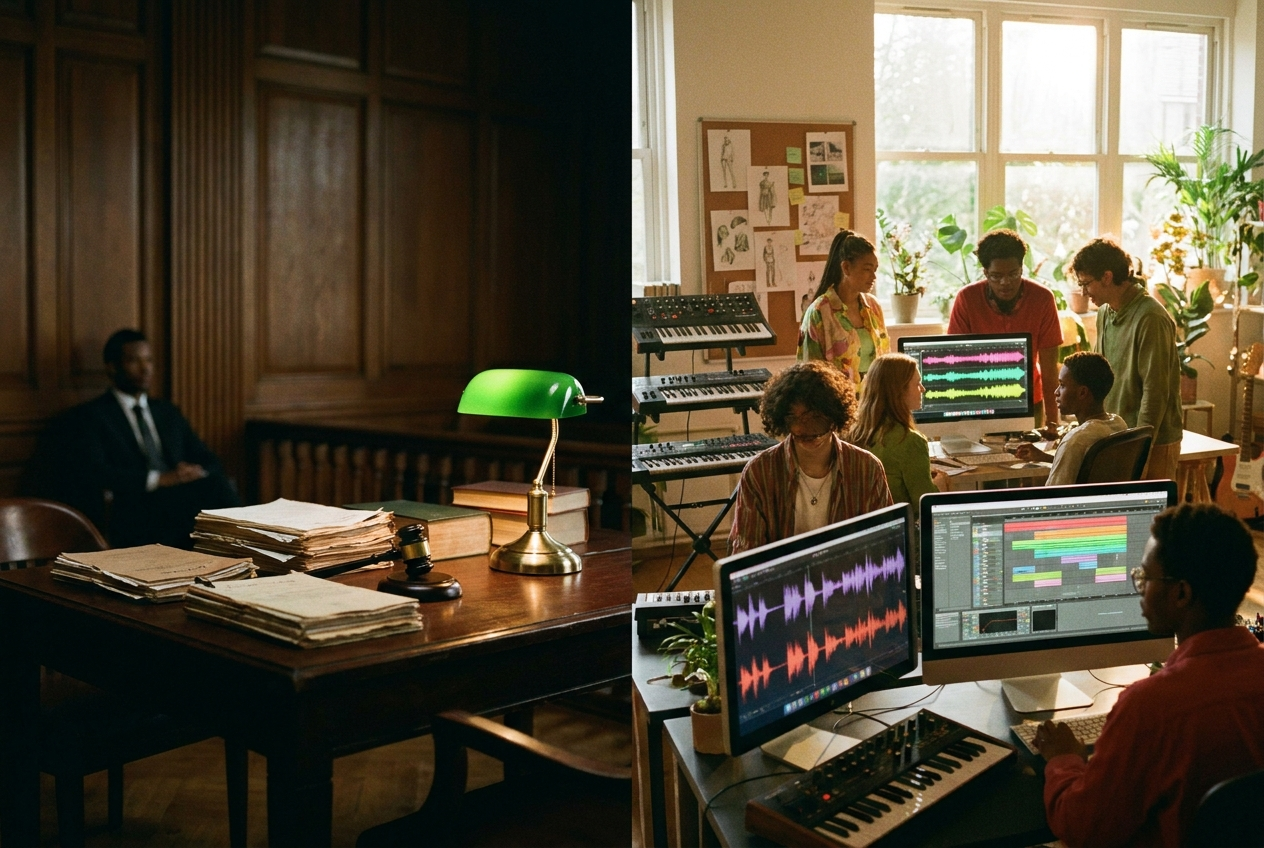
The music industry has been locked in a binary AI debate: sue or license. Labels have been suing Suno and Udio while simultaneously signing licensing deals with them. It’s messy, contradictory, and confusing.
Hook sidesteps the entire argument.
Hook’s founder and CEO Gaurav Sharma put it simply: “We believe the biggest consumer use case for music creation isn’t making original songs that compete with artists.” That’s a deliberate pivot away from the generative AI approach that’s caused so much turmoil. Instead of replacing artists, Hook positions AI as a tool for fan engagement.
The partnership was developed over a two-year collaboration involving more than 30 artist campaigns. The companies say the deal is designed to give artists and rights holders greater control over how their music is used, with permissions that can be managed at the level of individual songs and specific features.
Read that again: individual songs and specific features. Artists aren’t just signing over their catalog and hoping for the best. They can decide which tracks are remixable, which tools fans can use, and what kinds of creations are allowed. Hook’s CEO told Variety that everything on the platform ensures “the artists have full control around the security needs that they have adhered to.” He compared the licensing work to what Spotify figured out in 2010: “All the things that we had to do in figuring out streaming back in 2010 is effectively what we spent the last two years working on with UMG.”
That’s a bold comparison — and a revealing one. Hook is betting that licensed fan creativity is as fundamental a shift as streaming itself.
The Revenue Model Musicians Should Understand
Here’s where it gets interesting for independent artists.
UMG and Hook say they have “built the licensing framework and artist controls needed to monetise fan creativity at greater scale.” Every creation is licensed, attributed, and tracked, so artists and rightsholders benefit both when fans create with their music and when those creations are shared across social platforms.
Representatives from UMG and Hook described this as a win-win both for fans who want to make content with music by artists they love and for artists and rights holders who will be compensated when fans create. Hook worked closely with UMG divisions including Republic Records, Capitol Records, Mavin, and Virgin Music Group creating around 30 marketing campaigns for new releases, remixes, and social fan activations.
UMG’s chief digital officer Michael Nash said, “Licensed fan creativity is an important part of the next chapter, combining artist control with responsible technology and new ways to create value.”
This is a different revenue stream than streaming. When a fan makes a Hook remix and posts it on TikTok, the original artist gets paid. When someone else uses that remix in their own video, the tracking system follows it. In theory, it’s royalties from creativity that used to generate zero revenue — or worse, get flagged and taken down.
The Bigger Pattern: Opt-In vs. Opt-Out
The UMG-Hook deal didn’t happen in a vacuum. It’s part of a rapidly accelerating pattern across the entire creative industry.
The tie-up builds on a run of licensing moves by UMG. The company in October 2025 settled its copyright lawsuit against AI music platform Udio and agreed to jointly develop a licensed AI music creation service. In May, UMG and TikTok renewed their multi-year global licensing agreement, with expanded AI protections for artists and songwriters.
And while UMG is building a consent-based model with Hook, the rest of the tech world is going in the opposite direction. Twitch added a new opt-out setting to its account controls on August 12, 2026, letting streamers block their channel content from feeding Amazon’s generative AI models. The toggle arrived already switched on for every account, meaning every creator had been enrolled before the option to decline it existed.
When Twitch’s chief product officer was asked why the system wasn’t opt-in, he gave a blunt rationale: “If this was opt-in, nobody would opt in. That’s honestly the answer.”
As Music Ally noted, “Labels and publishers should be watching the reactions to Twitch’s way of doing this: they are making similar decisions about whether their AI deals should be opt-in or opt-out for musicians.”
The contrast is stark. Hook and UMG spent two years building a licensing framework where artists control what happens with their music. Amazon’s Twitch spent years silently collecting content and only offered an opt-out when a reporter found a buried toggle. Both involve AI. Only one respects creators.
What This Means for Independent Musicians
You’re not on UMG. You probably don’t have access to Hook’s licensing framework yet. So what do you actually do with this information?
1. Fan Remix Culture Is Coming Whether You’re Ready or Not
The UMG-Hook deal legitimizes something that’s been happening illegally for years: fans remixing your music and posting it on social media. The question is no longer if this will happen, but whether you’ll get paid when it does.
Hook has positioned itself as an alternative to the unlicensed remix culture that has flourished across social media, offering rights holders a way to monetize fan-made music rather than simply removing it.
Right now, when someone uses your song in a TikTok mashup, you might get a Content ID match. You might get nothing. With licensed remix platforms, every use is tracked and compensated. As an independent artist, start thinking about which of your songs you’d want to make remixable — and which you wouldn’t.
2. AI-Powered Social Content Is the Visual Layer
Here’s where this connects directly to your strategy as a musician in 2026. Fan remixes need visual components. TikTok videos. Instagram Reels. Visual storytelling that brings remix culture to life.
If fans are going to create AI-assisted remixes of your music, you need to meet them with equally compelling visual content. That’s where AI music videos become not just a creative tool but a strategic necessity. When your fans are sharing remix clips, your official visual content needs to be the anchor that ties everything back to you.
This is the same visual-first strategy that’s been driving success across every genre — from hip-hop to pop to EDM. The artists who are winning aren’t just releasing songs. They’re releasing visual ecosystems that fans can participate in.
3. Your Distributor Matters More Than Ever
Apple Music and Vevo now require AI disclosure for music videos if AI was used in the creation of the video.
As of August 2026, AI music policies are changing fast. Creators should always review current platform, distributor, and tool-specific terms before submitting a release.
The distribution layer — DistroKid, TuneCore, CD Baby, Symphonic — is where these licensing frameworks will either include you or leave you out. If your distributor has relationships with platforms like Hook, Spotify’s AI remix tools, or other licensed creativity systems, you benefit. If they don’t, you’re invisible in the fastest-growing category of music engagement.
4. The Lawsuit Backdrop Makes This Urgent
While UMG and Hook are building a collaboration model, the legal battles are intensifying. Round Hill Music alleges that Anthropic used lyrics from songs it controls to help train its Claude chatbot, while Suno is accused of using copyrighted music to train its AI music-generation platform. The Suno lawsuit also names data-scraping firm Bright Data as a co-defendant.
Round Hill’s founder said the company intends to take the cases to trial rather than accept a resolution that does not provide payment to songwriters and rights holders. The publisher said damages in each case could potentially reach hundreds of millions of dollars and may exceed $1 billion.
The industry is splitting into two lanes: companies building licensed, consent-based AI tools, and companies training AI on scraped content and hoping the courts don’t catch up. As a musician, you want to be aligned with the first lane.
How to Build Your Own Fan Creativity Strategy
You don’t need a UMG deal to start thinking about this. Here’s the framework:
Make remixable content. Release stems, alternate versions, or instrumental tracks alongside your singles. When platforms like Hook eventually open to independent artists, you want content that’s ready to go. Our guide on how to make an AI music video walks through the visual side of this — creating content that’s both standalone and modular.
Use AI video as your visual anchor. When fans remix your music, they’ll pair it with visuals. If you’ve already created compelling AI-generated music videos, your visual identity is established before the remix culture touches your catalog. Whether you’re making lo-fi visuals or rock performance clips, that visual layer becomes your brand.
Watch the licensing landscape. Hook raised $10 million in Series A funding in February in a round led by Khosla Ventures. More money means more artist partnerships, more catalog expansion, and eventually, more access for independent musicians. Stay informed about which platforms your distributor is connecting to.
Think beyond the song. Hook has spent years since its 2024 launch serving almost as a response to AI generation companies like Suno and Udio, opting against music generation and instead for a fan and social-focused approach to licensed music. The future of music isn’t just streams and downloads. It’s participation. And the artists who design for participation — through remixable audio, compelling visuals, and clear brand identity — are the ones who’ll thrive in this new landscape.
The Bottom Line
The UMG-Hook deal isn’t just another licensing announcement. It’s the first time a major label has said, at scale: fans creating with our music is a feature, not a bug. And we’re going to build the infrastructure to make it work — for artists, for fans, and for the bottom line.
For independent musicians, the message is clear: the future of AI in music isn’t about replacement. It’s about amplification. Your fans want to create with your music. The question is whether you’ll give them licensed, compensated ways to do it — or let the unlicensed chaos continue.
Start building your visual identity now. Create AI music videos that establish your brand. Design content that’s built for participation. And when the licensed fan creativity tools open up to independents, you’ll be ready.
Ready to build the visual layer your music needs? Start creating AI music videos on OneMoreShot.ai — and give your fans something worth remixing.